
Main Courses
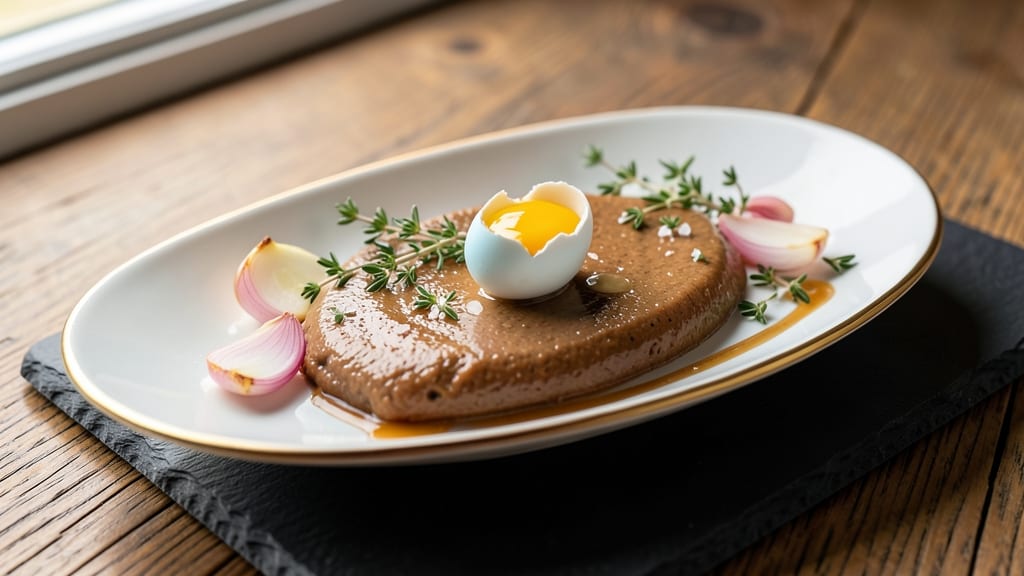
Mastering a basic chicken liver pâté recipe transforms humble offal into a velvety masterpiece that elevates any gathering. The key lies in rendering fat properly and blending until silky—something I perfected while apprenticing under Chef Chen, where precision met tradition.
This recipe delivers restaurant-quality texture with just five essential ingredients, no shortcuts needed.
What sets this pâté apart is its herbal depth—fresh thyme and shallots infuse every bite while keeping the liver’s natural richness intact. The process begins with rendering fat over low heat, then cooking livers until just tender before blending with butter and cream.
This method ensures a smooth, cohesive texture without graininess, a common pitfall in home versions.
By the time it’s chilled, you’ll have a pâté so rich and velvety it deserves a place on your charcuterie board or as a luxurious appetizer. The herby notes brighten the liver’s earthiness, creating a balance that’s both sophisticated and approachable.
Serve with toasted baguette slices or crisp crackers for the full experience.
For those new to pâté-making, this recipe is your fail-safe guide—every step is designed to prevent common mistakes like overcooking or uneven blending. The result? A dish that looks as impressive as it tastes, proving that even offal can shine with the right technique. Let’s get started.
Ingredients for basic chicken liver pate
Five core ingredients and precise technique transform humble livers into velvety pâté with herbal sophistication.
| Ingredient | Amount | Notes |
|---|---|---|
| Fresh Chicken Livers 🍗 | 1 lb | Trimmed of connective tissue |
| Unsalted Butter 🧈 | ½ cup | Cold, cut into cubes |
| Heavy Cream 🥛 | ½ cup | Full-fat for richness |
| Shallots 🧅 | 4 whole | Finely minced, skins on |
| Fresh Thyme Leaves 🌿 | ¼ cup | Stems removed, loosely packed |
| Diamond Crystal Kosher Salt 🧂 | ½ tsp | For seasoning, not curing |
| Freshly Ground Black Pepper 🌶️ | ¼ tsp | Coarsely cracked |
| Extra-Virgin Olive Oil 🫒 | 1 tbsp | For fat rendering |
| Cold Water 💧 | ¼ cup | For blending consistency |
The livers are the foundation—freshness is non-negotiable. Source from a trusted butcher or high-quality grocer like Whole Foods or D'Artagnan, where they're typically sold pre-trimmed. Avoid pre-packaged livers from standard grocery stores, as they often contain connective tissue that disrupts texture. For best results, pat dry with paper towels before cooking to remove excess moisture. The butter should be cold and cubed—this prevents premature melting during the rendering process, which is critical for achieving that signature silky consistency. Thyme leaves must be fresh; dried substitutes lack the aromatic depth needed to complement the liver's richness.
No shallots? Substitute with finely chopped yellow onion at half the quantity, though the flavor profile will shift slightly. The heavy cream can be swapped for crème fraîche or sour cream for a tangier finish, but texture may vary. For a dairy-free option, coconut cream works surprisingly well—though the pâté will have a distinct tropical note. If you're using pre-minced shallots from a jar, rinse thoroughly and pat dry to remove excess preservatives. The olive oil acts as a fat render; if unavailable, render the livers in their own fat over low heat, skimming excess periodically. Salt and pepper should be Diamond Crystal kosher—their coarse texture dissolves better during blending, preventing graininess in the final product.
This pâté must be chilled for at least 4 hours to set properly—overnight is ideal. Store in an airtight container with a thin layer of olive oil on top to preserve moisture and prevent a skin from forming. It keeps for 5 days refrigerated or 3 months frozen, though texture may slightly degrade after thawing. For serving, allow the pâté to sit at room temperature for 15-20 minutes before spooning—this ensures smooth, even consistency. The rendered fat can be repurposed for sautéing vegetables or deglazing pans, minimizing waste in this economical preparation.
Why You'll Love This Recipe
- No Fuss, Big Payoff: I swear by this recipe because it’s the kind of dish that feels fancy but takes zero effort. Sear the livers in butter—that’s where the magic happens—and then blend with cream and shallots until it’s impossibly smooth. No peeling garlic, no fancy ratios, just pure, rich satisfaction.
- Rich Without Trying: Honestly, the flavor is what keeps me coming back. The shallots caramelize just enough to add depth, the thyme leaves bring a bright herbal note, and the butter? It makes everything melt in your mouth. It’s not subtle—it’s bold, like a hug from a French chef.
- Weeknight or Holiday: Between us, this is my go-to for both lazy Tuesdays and impressing guests. Spread it on crusty bread for a quick snack or serve it chilled with crackers at a dinner party. The same recipe works for both—no stress, all flavor.
- Leftovers? More Like Forever: I make a double batch because it keeps perfectly for days in the fridge. Slather it on toast for breakfast, mix it into scrambled eggs, or even stuff it into crepes. And if you’re worried about waste? The livers are budget-friendly, so you’re not breaking the bank for seconds.
Step-by-step instructions for basic chicken liver pâté
This method delivers a velvety pâté with perfect balance between rich liver flavor and bright herbal notes.
Prepare the Chicken Livers
Begin by trimming all connective tissue and membranes from the 1 lb fresh chicken livers. Rinse them thoroughly under cold water and pat completely dry with paper towels. This step is crucial—any moisture will prevent proper rendering of fat later.
Place the livers in a medium saucepan and cover with the 0.25 cup cold water. Bring to a gentle simmer over medium heat and cook for exactly 3 minutes. You'll see the livers begin to firm up slightly—this just removes any blood without fully cooking them. Drain immediately and transfer to an ice bath to stop the cooking process. Once chilled, pat them dry again with fresh paper towels.
Render the Fat and Sauté Aromatics
Heat the 1 tbsp extra-virgin olive oil in a 10-inch skillet over medium heat. Add the 4 whole shallots that have been finely minced (skins on) and cook for 5 minutes, stirring occasionally, until they begin to soften and release their sweet aroma. Here's the thing—don't let them brown or they'll add bitterness to the pâté.
Increase heat to medium-high and add the chicken livers in a single layer. Cook undisturbed for 2 minutes until they develop a golden crust on one side. Flip carefully and cook another 2 minutes. The livers should be just cooked through but still tender—if they're overcooked, they'll turn rubbery. Transfer to a plate and set aside.
Create the Base with Butter and Thyme
Reduce heat to medium-low and add the 0.5 cup unsalted butter cut into cubes to the same skillet. Let it melt completely, about 2 minutes, then stir in the 0.25 cup fresh thyme leaves. Cook for 1 minute until the thyme becomes fragrant but doesn't burn—this releases its essential oils for maximum flavor.
Return the cooked chicken livers to the skillet along with any accumulated juices. Using a wooden spoon, break them down into small pieces while stirring constantly for 3 minutes. This process creates a rough paste that will blend smoothly later. The mixture should look like coarse ground meat with melted butter coating everything.
Blend to Silky Perfection
Transfer the liver mixture to a food processor fitted with the metal blade. Add the 0.5 cup heavy cream, 0.5 tsp diamond crystal kosher salt, and 0.25 tsp freshly ground black pepper. Process for 1 minute until the mixture becomes completely smooth, scraping down the sides as needed. The texture should be velvety with no visible chunks.
For an extra-smooth finish, press the pâté through a fine-mesh sieve into a clean bowl. This removes any remaining fibrous bits that might affect the texture. Taste and adjust seasoning if needed—you may want to add a pinch more salt or pepper to balance the liver's natural richness.
Pro Tips For Making Basic Chicken Liver Pate
- Sear Livers Hard: Get them deep golden-brown, not just pink—high heat for 3-4 minutes per side until they release easily from the pan. I learned this the hard way when my first batch turned out mushy; those crisp edges make all the difference in texture.
- Rinse Livers Twice: Pat them dry first, then give them a quick cold water rinse to remove any blood, followed by another dry with paper towels. Skipping this step leaves a metallic bitterness that even cream can’t mask.
- Low-Simmer Cream: Reduce the heavy cream slowly over low heat until it’s syrupy but not boiling—about 10 minutes. Boiling it too fast turns it grainy, and you’ll end up with a lumpy pate that’s more frustrating than delicious.
- Pulse Shallots Fine: Mince them so small they’re almost invisible—no visible chunks, just a fine paste. I used to chop them roughly, and they’d sit like little sand grains in the finished pate. A food processor makes this stupidly easy.
Storing and reheating this recipe
Refrigerator Storage
Transfer your freshly made pâté to a glass airtight container—I prefer Pyrex with a snap-on lid—and let it cool completely before sealing. Store it in the refrigerator for up to 5 days at 40°F or below.
The first 24 hours are ideal for flavor development as the herbs meld with the liver's richness. Always press plastic wrap directly against the surface before sealing to prevent a skin from forming. 🥫
Freezer Preservation
For longer storage, portion the pâté into quart-sized freezer bags or silicone molds, leaving ½-inch headspace for expansion. Seal tightly and freeze for up to 3 months. When ready to use, thaw overnight in the refrigerator—never microwave, as it can break the silky texture.
I like to wrap portions in parchment paper before freezing for easy handling later.
Reheating Methods
If you've stored your pâté in the fridge, the best approach is to serve it cold or at room temperature. For a quick warm-up, transfer to a heatproof bowl and place it in a bain-marie (double boiler) over gentle heat for 3-4 minutes.
Stir occasionally to maintain even warmth—never exceed 110°F, or the butter will separate. 💡
Texture Recovery
If your pâté develops a skin or separates after storage, don’t panic. Simply stir in 1 tablespoon cold heavy cream and 1 teaspoon melted butter until smooth. For extra insurance, blend briefly in a food processor to restore that velvety consistency.
This trick works wonders when you’ve forgotten to press plastic wrap against the surface.
Serving After Storage
Let chilled pâté sit at room temperature for 15-20 minutes before serving to allow flavors to bloom. I like to spoon it onto toasted baguette slices or water crackers for a classic presentation.
Garnish with a sprinkle of fresh thyme leaves or a drizzle of high-quality olive oil to elevate the dish. The texture should remain rich and spreadable, just like fresh from the food processor. ✨
Nutrition facts
Frequently asked questions
Why do chicken livers need to be blanched before cooking?
Blanching removes impurities and blood while keeping the livers tender. The 3-minute simmer in water stops them from overcooking later, ensuring a delicate texture. Skipping this step can make your pâté bitter or grainy.
Can I substitute butter with another fat?
Yes, but texture may change. For richness, use duck fat or ghee in equal amounts. Olive oil works in a pinch (reduce to ¼ cup), but pâté will be less velvety. Avoid margarine—it lacks the fat content needed for smoothness.
What if my pâté turns out grainy?
Graininess usually means under-blending or overcooked livers. For a quick fix, blend again with 1 tbsp cold heavy cream or press through a fine-mesh sieve. To prevent it, cook livers just until they reach 145°F internal temp and blend thoroughly.
How can I make this pâté vegetarian?
Replace livers with mushrooms (cremini or shiitake) sautéed until tender. Use ½ cup walnuts or cashews for richness and add 1 tsp nutritional yeast for umami depth. The texture will be slightly different but still luxurious.
Can I use this pâté in cooking instead of spreading?
Spread it on toast for open-faced sandwiches, or use it as a filling for crepes or ravioli. It also elevates stuffed mushrooms or baked potatoes. For best results, keep it chilled until ready to use to maintain texture.