
Main Courses
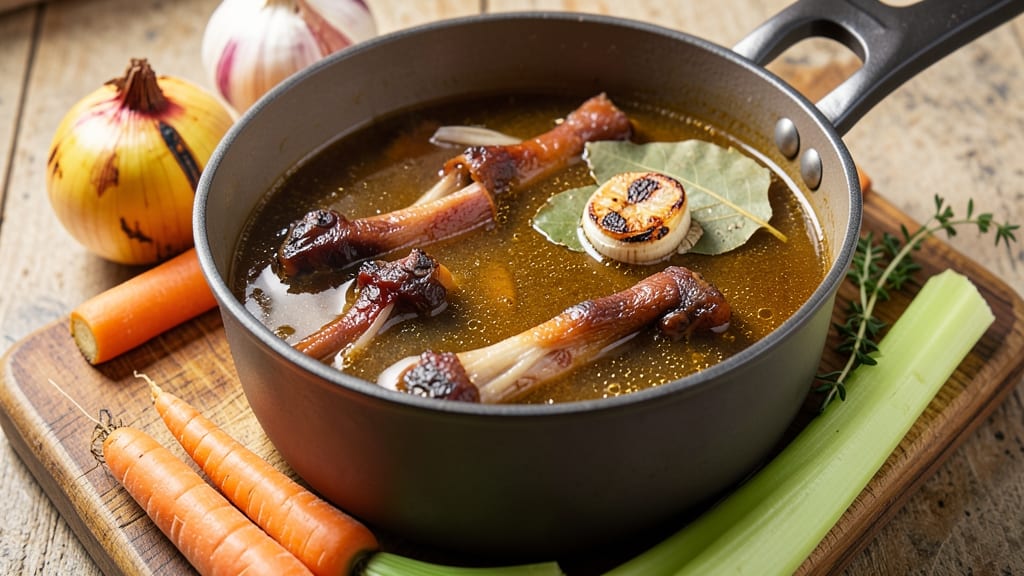
Creating a chicken feet stock recipe unlocks a world of umami depth that transforms ordinary dishes into extraordinary ones. This isn’t your average broth—it’s a flavor powerhouse that builds complexity into soups, braises, and even cocktails.
After years of perfecting the technique, I’ve found the secret lies in slow simmering and proper straining to extract every layer of savory goodness from those collagen-rich feet.
The process is straightforward but requires patience: chicken feet, aromatic vegetables, and spices simmer for hours until the collagen dissolves into a rich, velvety liquid.
What makes this stock special is its ability to elevate any dish—think of it as the secret weapon in pho, ramen, or even a sophisticated umami cocktail. The key is controlling the heat and straining carefully to remove impurities while preserving that deep, meaty flavor.
By the end, you’ll have a golden, aromatic broth that’s far more complex than store-bought versions. It’s the kind of stock that makes you slow down and savor every spoonful, knowing you’ve created something truly special.
The best part? It keeps well in the freezer, so you’ll always have a flavor foundation ready when inspiration strikes.
Whether you’re a home cook looking to deepen your culinary skills or a professional refining your techniques, this stock is a game-changer. Let’s get started on building flavor that lasts.
Ingredients for chicken feet stock
Pantry staples meet umami magic—just 12 ingredients transform into liquid gold.
| Ingredient | Amount | Notes |
|---|---|---|
| Chicken Feet 🦶 | 2 lb | Fresh or frozen, washed thoroughly |
| Yellow Onion 🧅 | 1 whole | Quartered, skin on for color |
| Carrots 🥕 | 4 whole | Scrubbed, cut into chunks |
| Celery Stalk 🌿 | 3 whole | Cut into 2-inch pieces |
| Garlic Cloves 🧄 | 6 cloves | Smashed, skin on |
| Bay Leaves 🌿 | 2 whole | Fresh if possible |
| Black Peppercorns 🌶️ | 1 tbsp | Crushed, whole preferred |
| Salt 🧂 | 1 tsp | Kosher or sea salt |
| White Wine 🍷 | 1 cup | Dry variety, optional |
| Water 💧 | 8 cups | Filtered preferred |
| Lemon Juice 🍋 | 1 tbsp | Freshly squeezed |
| Cheesecloth 🧵 | 1 sheet | For straining impurities |
The chicken feet are the star here—fresh is ideal, but frozen works perfectly if thawed overnight in cold water. Look for plump, pale feet with a clean smell; avoid any with a fishy odor. For best results, purchase from a trusted butcher or Asian market—Costco or Whole Foods often carry them pre-packaged. If you're squeamish about handling them, wear gloves (the collagen-rich skin is what we want). The aromatic vegetables—onion, carrots, celery—should be fresh but not overly sweet; older carrots with deeper color add more earthy flavor. Don't peel the garlic—skin-on cloves infuse more aroma during simmering.
No white wine? Substitute extra water or apple cider vinegar for acidity—about 1 tbsp vinegar per cup of water. Fresh bay leaves are a game-changer, but dried works at half the amount. If you can't find cheesecloth, double-layered coffee filters or a clean kitchen towel will strain the stock effectively. For extra depth, add a 1-inch piece of ginger or a sprig of fresh thyme—both play well with the umami profile. The lemon juice at the end brightens the final flavor, so don't skip it unless you're using the stock for savory dishes where acidity might not be desired.
This stock improves with time—3-4 days in the fridge or up to 6 months in the freezer. For freezing, use airtight containers or silicone ice cube trays for single-portion use. The fat will solidify on top; simply skim it off before reheating. Store-bought chicken feet stock pales in comparison—this version has real depth and complexity. Make a big batch; you'll want it on hand for everything from pho to braised meats. The first batch is always the hardest—after that, you'll be hooked on the umami magic.
Why You'll Love This Recipe
- Pantry in Minutes: I swear by this for when I’ve got nothing but a few scraps—just toss in the chicken feet, a chopped onion, and a handful of celery, then let the pot do the work. No fancy prep, no stress, just pure, rich flavor waiting for you.
- Umami Bomb: That deep, savory punch from the chicken feet? It’s like a secret weapon—especially when you simmer in garlic and carrots until everything melts into a golden, velvety broth. Honestly, my soup and stews taste alive after this.
- Freezer Goldmine: Make a big batch, freeze it in portions, and thank me later. Whether it’s for a quick ramen night or a hearty braise, this stock is my go-to for when I need flavor without the fuss. (Yes, even on a Tuesday night.)
- Budget Magic: Chicken feet are the ultimate budget hack—cheap, packed with collagen, and they turn into liquid gold. I buy them in bulk, and this recipe stretches one batch into three meals. My wallet and my taste buds win.
Step-by-step instructions for chicken feet stock
Here's how to transform humble chicken feet into a velvety, umami-packed broth that elevates any dish.
Prepare the Chicken Feet for Maximum Flavor Extraction
Begin by thoroughly washing the 2 lb chicken feet under cold water to remove any debris. I like to soak them in cold water for 10 minutes while I prep the vegetables—this helps remove any surface impurities that could cloud the stock later. After soaking, drain and rinse again.
Place the cleaned chicken feet in a large stockpot. Add the quartered yellow onion, chunked carrots, and 2-inch celery pieces. These vegetables form the aromatic base called mirepoix, which infuses the stock with sweetness and depth. The skin-on onion adds beautiful golden color to the final broth, while the carrots and celery contribute natural sweetness and body.
Here's the thing—don't skip the vegetable prep. Roughly chopping these ingredients ensures they break down during cooking, releasing their flavors into the broth. I crush the 6 garlic cloves with the side of my knife (skin on) and add them to the pot along with the 2 whole bay leaves and 1 tbsp crushed black peppercorns. This aromatic bundle will create layers of flavor that transform simple water into something extraordinary.
Simmer Gently to Extract Rich Gelatin and Umami
Pour in the 8 cups water and bring the mixture to a boil over medium-high heat. Once boiling vigorously, reduce to a gentle simmer—you're looking for small, occasional bubbles that break the surface, not a rolling boil that could make the stock cloudy. This low-and-slow approach is crucial for extracting the gelatin from the chicken feet, which gives the stock its signature richness and body.
I've found that using a lid at a slight angle helps maintain moisture while still allowing steam to escape. Skim any foam or impurities that rise to the surface during the first 30 minutes of cooking. This ensures your final stock will be crystal clear. The simmering process should take about 3-4 hours—patience is key here. The longer you cook, the more collagen breaks down into gelatin, creating that luxurious mouthfeel.
After 2 hours, add the 1 cup white wine and 1 tbsp lemon juice. The acidity from the lemon juice helps tenderize the chicken feet while brightening the broth, and the wine adds complexity. Here's what I do: I pour the wine slowly down the side of the pot to prevent a sudden temperature drop that could shock the stock. Stir gently after adding to distribute the flavors evenly.
Strain and Finish for Crystal-Clear Perfection
Once the chicken feet are fork-tender (typically after 3-4 hours), remove them from the broth with a slotted spoon. You can reserve them for other uses like chicken feet soup or discard them—they've done their job. Let the broth cool slightly, then line a fine-mesh strainer with the cheesecloth and place it over a clean bowl or pitcher. This double-layered straining removes all impurities, giving you that restaurant-quality clarity.
Pour the hot broth through the cheesecloth-lined strainer. I like to press gently on the solids with a wooden spoon to extract every last drop of flavor, but avoid pressing too hard or you'll risk clouding the broth. The result should be a golden, translucent liquid with a rich aroma that makes your kitchen smell like a gourmet restaurant. Taste and adjust seasoning with the 1 tsp salt if needed—you might find it already perfectly balanced.
For best results, let the stock cool to room temperature before refrigerating. The fat will solidify on top, making it easy to skim off. This stock keeps beautifully in the refrigerator for up to 5 days or can be frozen for 3 months. Use it as a base for soups, risottos, or braises—it's the secret weapon that takes ordinary dishes to extraordinary.
Pro Tips For Making Chicken Feet Stock
- Char the Feet First: Toss your chicken feet in a dry skillet over medium-high heat—no oil needed—until they turn deep brown and smell like caramelized heaven. This step isn’t just for flavor; it’s what unlocks the rich, gelatinous goodness later. Skip it, and your stock will taste like watered-down broth.
- Peel the Onion Roughly: Don’t fuss with perfect peels—just halve the onion, score the cut sides, and toss it in whole. The skin adds depth, and you’ll spend less time scrubbing. I used to peel them like an apple, then realized the mess was unnecessary.
- Don’t Rush the Simmer: Let the stock bubble gently at a low simmer—barely a whisper of movement—after the initial boil. High heat now means cloudy stock later. Cover the pot and walk away; this isn’t a race, and patience pays off with clarity.
- Save the Garlic Peels: After mincing your garlic, toss the peels into the stock—they’ll infuse subtle sweetness without overpowering. I learned this from a Vietnamese aunt who swore by it, and now I never skip it. (Yes, even if you’re impatient like me.)
Perfect pairings for this recipe
Soup Elevation
This stock transforms ordinary soups into restaurant-quality masterpieces. Use it as the base for pho, where its deep umami complements the anise and star anise flavors.
I make a double batch specifically for pho—simmer 1 cup stock with 1-inch ginger, 2 cinnamon sticks, and 4 cloves for 15 minutes before adding noodles and protein. The result? A broth so rich it makes store-bought versions taste flat. 🥣
Braising Magic
Braised dishes like red-cooked pork or beef short ribs become unforgettable when cooked in this stock. Replace water with 2 cups stock in your braising liquid, then reduce by half to create a glossy sauce.
The collagen from the chicken feet adds natural thickening power, while the umami depth enhances meaty flavors. I often finish with a splash of soy sauce and rice wine for extra complexity.
Umami Cocktails
Yes, you read that right—this stock makes incredible cocktails! Use it as a base for umami-rich drinks like the "Golden Phoenix," where 2 oz stock is mixed with 1 oz gin, ½ oz honey syrup, and a squeeze of yuzu.
Strain into a chilled coupe glass and garnish with a lemon twist. The depth of flavor surprises even the most skeptical drinkers. 🍸
Risotto Luxe
Elevate your risotto by using this stock instead of water or vegetable broth. The gelatinous quality gives each bite incredible mouthfeel, while the umami flavor complements creamy textures. I use 3 cups stock for a 4-serving risotto, adding it gradually as the Arborio rice cooks.
Finish with Parmigiano-Reggiano and a touch of white truffle oil for a dish that feels like fine dining.
Marinades & Sauces
Reduce this stock by half to create a concentrated sauce perfect for drizzling over grilled meats or steamed vegetables. I reduce 2 cups stock with 1 tbsp fish sauce and 1 tsp sugar until it reaches a syrupy consistency.
This sauce adds depth to everything from seared scallops to roasted Brussels sprouts. The umami punch makes simple dishes taste gourmet.
Garnish Game-Changers
Don't just use this stock as a base—try it as a finishing touch. Lightly simmer ½ cup stock with 1 tsp butter and 1 sprig thyme, then strain and drizzle over seared duck breast or grilled lobster tails.
The rich, savory notes elevate the dish without overpowering. For a vegetarian option, drizzle it over mushroom risotto or roasted eggplant.
Nutrition facts
Frequently asked questions
Why do chicken feet make such a flavorful stock?
Chicken feet are packed with collagen and connective tissue that dissolves during slow cooking, creating a rich, gelatinous broth. The cartilage and bones release minerals and umami compounds that transform simple water into a deeply savory liquid. This makes it far more complex than chicken breast or thigh stock.
Can I use frozen chicken feet instead of fresh?
Yes! Frozen chicken feet work perfectly—just thaw them overnight in cold water before using. The key is ensuring they're completely defrosted and rinsed well to remove any ice crystals or impurities that could cloud your stock. Fresh feet have slightly better texture, but frozen saves money and works just as well.
How do I know when the stock is done cooking?
The stock is ready when the chicken feet are fork-tender (after about 3-4 hours) and the liquid has reduced slightly but still has body. Test by poking a foot—if it separates easily, it's done. The broth should smell intensely aromatic with no fishy or gamey notes remaining.
What can I do with leftover chicken feet after making stock?
Don't throw them away! Use them in chicken feet soup, stir-fries, or even as a crispy snack. For soup, simmer the cooked feet with ginger, garlic, and soy sauce. For snacking, air-fry at 400°F for 15 minutes until crispy—just watch out for the strong flavor!
Can I make this stock without wine or lemon juice?
The wine adds depth, but you can substitute 1 tbsp apple cider vinegar or skip it entirely. The lemon juice brightens the flavor—omit it if you prefer a neutral base for cooking. Just remember that the acidity helps tenderize the feet and prevents a flat taste in the final stock.