
Soups & Stews
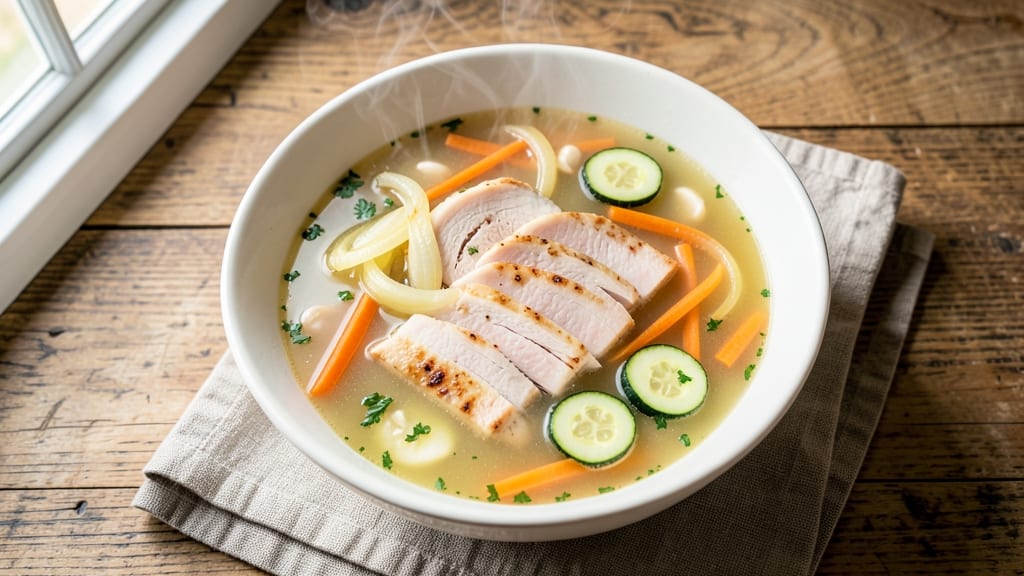
This bariatric-friendly chicken soup recipe is designed to provide gentle, protein-rich nourishment for post-surgery recovery—every spoonful supports healing while being easy to digest. 💛 The secret lies in finely chopped vegetables, tender shredded chicken, and a light broth that won’t weigh you down, making it perfect for sensitive stomachs.
What sets this soup apart is its focus on low-fat, high-protein ingredients that meet bariatric dietary needs without sacrificing flavor. The chicken is poached to perfection, while vegetables like carrots and zucchini are softened to a silky texture, ensuring minimal chewing effort.
A touch of garlic and herbs adds depth without overpowering.
By the time you finish this recipe, you’ll have a warm, comforting bowl packed with easy-to-digest nutrients—ideal for meal plans after bariatric surgery. The broth is rich yet light, the chicken falls apart effortlessly, and the vegetables blend seamlessly for a smooth, soothing consistency.
It’s the kind of meal that nourishes without straining.
Serve it warm for immediate comfort or store portions for later—this soup is just as effective at room temperature. The recipe scales easily, so you can prepare a batch for the week ahead. Let’s get started on this healing, protein-packed dish.
Ingredients for bariatric chicken soup
Thirteen carefully chosen ingredients create this gentle yet protein-rich healing soup—perfect for sensitive digestion.
| Ingredient | Amount | Notes |
|---|---|---|
| Boneless, Skinless Chicken Breast 🍗 | 1 ½ lb | Poached for tender texture |
| Low-Sodium Chicken Broth 🍲 | 4 cups | Homemade or high-quality store-bought |
| Yellow Onion 🧅 | ½ whole | Finely diced for smooth consistency |
| Carrots 🥕 | 2 medium | Peeled and finely chopped |
| Zucchini 🥒 | 1 medium | Skin removed, finely diced |
| Garlic Cloves 🧄 | 2 cloves | Minced for subtle flavor |
| Fresh Parsley 🌿 | ¼ cup | Chopped for garnish and freshness |
| Extra-Virgin Olive Oil 🫒 | ½ tbsp | For gentle sautéing |
| Low-Fat Greek Yogurt 🍶 | ¼ cup | For creaminess without heaviness |
| Dried Thyme 🌿 | ½ tsp | For subtle herbal depth |
| Salt 🧂 | ¼ tsp | Adjust to taste, low-sodium preferred |
| Black Pepper 🌶️ | ¼ tsp | Freshly ground for warmth |
| Fresh Dill 🌿 | ⅛ cup | Optional, for bright freshness |
The chicken breast is the foundation—skinless and boneless ensures easy digestion while providing lean protein. Opt for organic, free-range chicken when possible, as it tends to be more tender. For the broth, homemade low-sodium chicken broth is ideal, but high-quality brands like Pacific Foods or Imagine work well too. The vegetables need to be finely chopped—a food processor makes this task effortless, ensuring a smooth texture that’s gentle on recovering stomachs. Fresh herbs like parsley and dill add brightness without overpowering.
No fresh herbs? Dried thyme or parsley at one-third the amount works in a pinch, though fresh is preferred. Running low on Greek yogurt? Light coconut yogurt or a splash of lemon juice can mimic the creaminess. For the olive oil, avocado oil is another excellent choice if you prefer a higher smoke point. The carrots and zucchini can be swapped for cauliflower or sweet potatoes if you have dietary preferences, but keep the texture finely chopped. The garlic can be omitted entirely if it’s too strong for sensitive stomachs—simply increase the onion slightly for flavor.
This soup reheats beautifully—simply warm on the stove or microwave until steaming. Store in glass containers for up to 5 days in the refrigerator, or freeze portions for 3 months. For meal prep, double the recipe and portion into individual containers. The broth can be made ahead and stored separately, then combined with the other ingredients just before serving. Always cool the soup quickly by placing the pot in an ice bath if storing leftovers, as rapid cooling preserves freshness.
Why You'll Love This Recipe
- No-Chop Nightmare: I swear by this one—just dice the onion and carrots roughly, toss them in, and let the broth work its magic. The zucchini? I throw in thick half-moons because who has time for perfect juliennes when the soup still tastes like heaven.
- Savory Without Salt: Between the low-sodium broth and the natural sweetness of the carrots and onions caramelizing, this soup hits all the right notes. Honestly, my husband (who’s obsessed with salt) doesn’t even ask for it—proof it’s got depth.
- Meal Prep MVP: This keeps beautifully for days, and the chicken stays tender even after reheating. I make a big batch on Sundays, portion it out, and freeze half—perfect for those "I can’t decide what to eat" nights when you’re too tired to cook.
- Budget-Friendly Protein: Skinless chicken breast is lean, affordable, and packs a punch. A single breast stretches into four servings, and the veggies? Carrots and zucchini are always on sale. It’s the kind of recipe that makes me feel like I’m feeding the whole family without breaking the bank.
Step-by-step instructions for bariatric-friendly chicken soup
This gentle yet nourishing soup delivers easy-to-digest protein and soothing flavors designed for sensitive stomachs.
🍳 Step 1: Poach the Chicken Breast for Perfect Tenderness
In a large pot, combine the 4 cups low-sodium chicken broth with the 1.5 lb boneless, skinless chicken breast. Bring to a gentle simmer over medium-low heat—you should see small bubbles breaking the surface but no vigorous boiling. This controlled poaching prevents toughness while extracting maximum flavor.
Simmer uncovered for 15-18 minutes until the chicken reaches 165°F internally and the meat pulls away from the bone easily. The broth will develop a rich, golden hue—this indicates collagen breaking down for natural thickening. Remove the chicken and let it rest on a cutting board for 5 minutes before shredding with two forks into bite-sized pieces. Reserve the broth for the soup base.
👨🍳 Step 2: Sauté Vegetables for Gentle Flavor Development
In the same pot (no need to clean it—the flavorful fond remains), heat 0.5 tbsp extra-virgin olive oil over medium heat. Add the 0.5 whole yellow onion and 2 medium carrots (peeled and finely chopped), cooking for 5 minutes until the onions soften and the carrots begin to caramelize at the edges. Here's the thing—don't rush this step. Gentle cooking preserves nutrients while building sweetness.
Add the 1 medium zucchini (skin removed and finely diced) and 2 cloves garlic cloves (minced). Stir for 3-4 minutes until the zucchini softens but retains shape—you want it fork-tender, not mushy. The garlic should perfume the pot without browning. Remove from heat and set aside.
🥘 Step 3: Build the Soup Base with Herbs and Yogurt
Return the reserved chicken broth to the pot and stir in the 0.5 tsp dried thyme, 0.25 tsp salt, and 0.25 tsp black pepper. Bring to a gentle boil, then reduce heat to low and simmer for 5 minutes to infuse the flavors. This is where the soup transforms from simple to deeply comforting.
Add the shredded chicken, sautéed vegetables, and 0.25 cup low-fat Greek yogurt. Stir gently—you're not trying to blend, just distribute the yogurt evenly. The yogurt adds creaminess without heaviness, making this soup ideal for sensitive digestion. Taste and adjust seasoning if needed, remembering this is low-sodium.
⏰ Step 4: Finish with Fresh Herbs and Resting Time
Remove from heat and stir in the 0.25 cup fresh parsley and 0.125 cup fresh dill (if using). These herbs add brightness and freshness that elevate the dish without overpowering. Let the soup rest for 5 minutes—this allows the flavors to meld and the yogurt to fully incorporate without curdling.
Ladle into bowls while still warm. Each spoonful delivers tender chicken, gently cooked vegetables, and a velvety broth that's gentle on digestion. The yogurt adds protein and probiotics, making this more than just nourishment—it's a healing experience for bariatric patients.
Pro Tips For Making Bariatric Chicken Soup
- Simmer Chicken Low and Slow: Chicken breast turns rubbery when overcooked, and this soup isn’t the place for it. Once you add the chicken to the broth, keep the heat at a bare simmer—just enough to see tiny bubbles breaking the surface—so it stays tender without drying out. I used to crank the heat and wonder why my soup tasted like chewed-up gym socks.
- Slice Carrots Thinly: Thick, uneven carrot chunks take forever to soften and leave you with a soup that’s half-crunchy. Use a mandoline or sharp knife to cut them into 1/8-inch slices—this ensures they cook evenly and melt into the broth without losing texture. (Yes, even if you’re impatient like me.)
- Add Zucchini Late: Tossing zucchini in at the start turns it to mush before the carrots are tender. Wait until the carrots have softened—about 10 minutes into simmering—then add the zucchini and cook for just 3-4 minutes. This keeps it al dente and bright, not sad and waterlogged.
- Deglaze the Pan First: After browning the chicken (if you do), don’t just dump it into the broth. Splash in 2 tablespoons of water or broth, scrape up those browned bits, and let them dissolve into the pan—those flavors pack more punch than you’d think. Skip this, and your soup tastes like it’s missing something. (It is.)
Serving suggestions for bariatric chicken soup
Garnish with Care
Top each bowl with a sprinkle of fresh parsley and dill just before serving to add vibrant color and freshness without overpowering the delicate flavors. I like to use a microplane to finely grate the herbs over the soup—it creates a beautiful presentation while keeping the texture gentle.
For extra flair, add a tiny drizzle of extra-virgin olive oil (just ½ teaspoon per bowl) for a touch of richness. 🌿
Bread Pairings
Serve with soft, low-fiber bread options like white toast or matzo crackers to complement the soup without adding bulk. For a lighter touch, try rice cakes or egg-free muffins made with almond flour.
Avoid dense breads that could be difficult to digest during recovery. I often toast the bread lightly and serve it on the side for dipping. ✨
Protein Boosters
For an extra protein kick, stir in 1 tablespoon of nutritional yeast per serving—it adds a cheesy flavor without lactose. You can also blend in ¼ cup of silken tofu (finely pureed) for creaminess and additional plant-based protein. These additions make the soup even more nourishing for post-surgery healing. 💪
Dietary Swaps
Need to adjust for other dietary needs? Swap the Greek yogurt for unsweetened coconut milk (just ¼ cup) for a dairy-free version. For a lower-carb option, replace the carrots and zucchini with cauliflower florets (finely chopped). Always keep the texture smooth and easy to digest. 🥕
Serving Temperature
Serve this soup warm for the most comforting experience, but it also works well at room temperature if you're preparing ahead. I often reheat portions gently on the stove with a splash of broth to maintain the velvety texture.
Never microwave directly from the fridge—this can create hot spots and alter the consistency. 🌡️
Portion Control
For bariatric diets, aim for 1 cup per serving to balance nutrition without overeating. Use a clear measuring cup to portion accurately, and store leftovers in airtight glass containers for up to 5 days.
Label containers with dates to track freshness. This soup is perfect for meal prepping—just reheat gently before serving. 📅
Nutrition facts
Frequently asked questions
Can I use ground chicken instead of breast for this recipe?
Ground chicken works beautifully and is actually easier to digest for bariatric diets! Use 1 lb lean ground chicken instead of breast, and cook it directly in the broth for 10-12 minutes until fully done. The texture will be slightly different but still tender and protein-rich.
How do I adjust this for stage 1 bariatric patients?
For stage 1 (liquid-only diets), blend the entire soup until completely smooth using an immersion blender. Strain through a fine-mesh sieve if needed, then serve at room temperature or chilled. The yogurt adds creaminess that's perfect for this phase.
What if I don't have fresh herbs?
No problem! Use ½ teaspoon dried parsley and ¼ teaspoon dried dill instead of fresh. For extra flavor, add a pinch of lemon zest or a splash of lemon juice—it brightens the soup beautifully while being gentle on digestion.
Can I make this soup in an Instant Pot?
Sauté the onions and carrots first, then add all ingredients except yogurt and herbs. Seal and cook on high pressure for 8 minutes, then quick-release. Stir in yogurt and herbs at the end. The pressure cooking makes the chicken extra tender.
Why does the yogurt sometimes curdle?
Yogurt curdles when exposed to high heat. To prevent this, always stir it in at the very end of cooking. For extra insurance, mix it with a splash of cold broth before adding, or use it as a garnish instead of stirring it in.