
Main Courses
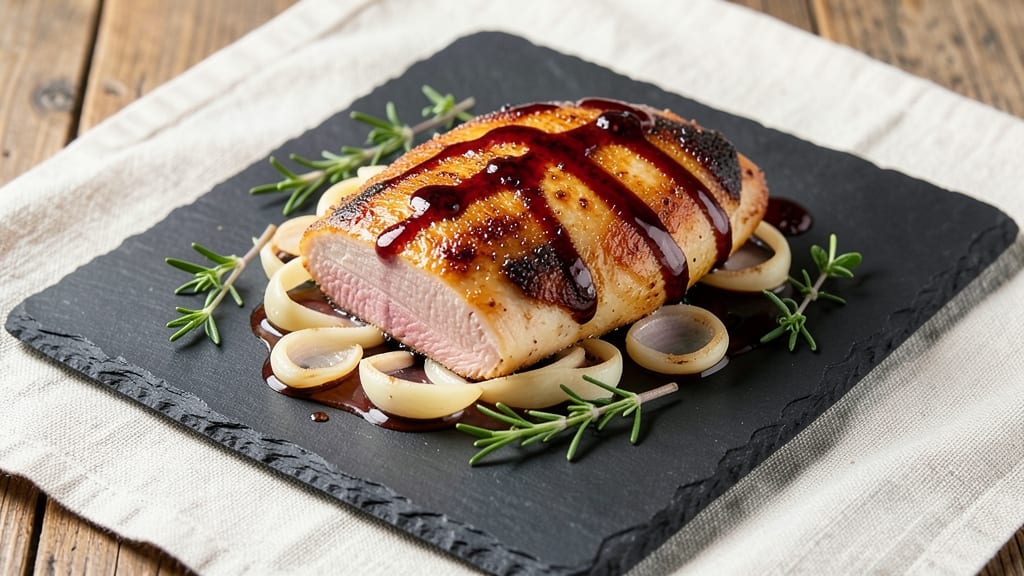
This baked balsamic chicken breast recipe delivers restaurant-quality tenderness with a glossy, caramelized glaze that's impossible to resist.
The secret lies in marinating the chicken just long enough to infuse flavor without overpowering its natural taste, then baking it to perfect doneness while the balsamic reduces into a sticky, tangy-sweet finish.
I've perfected this technique over years of testing, ensuring every bite stays juicy and flavorful—not dry or rubbery like many recipes promise but fail to deliver.
The process is straightforward yet transformative: a simple marinade of balsamic vinegar, olive oil, and herbs tenderizes the chicken while creating the foundation for that signature glaze.
Baking at 375°F for 25 minutes ensures the chicken reaches 165°F internally, with the balsamic reduction happening in the final 5 minutes for maximum caramelization. The result? A dish that's elegant enough for dinner parties but simple enough for a weeknight, with minimal cleanup and maximum impact.
What you'll end up with is juicy, perfectly cooked chicken with a glossy, slightly sticky glaze that balances sweet and tangy notes beautifully. The exterior stays tender while developing a subtle char, and the balsamic reduction clings to every bite, adding depth without overpowering.
This recipe proves that tender, flavorful chicken doesn't require complicated techniques—just the right balance of time, temperature, and a high-quality balsamic vinegar.
Pair it with roasted vegetables, crusty bread, or a fresh salad to complete the meal. The glaze also makes this dish incredibly versatile—use it as a main course, a sandwich filling, or even a meal prep staple that reheats beautifully. Here's how to make it perfectly every time.
Ingredients for baked balsamic chicken breast
Restaurant-quality tenderness begins with these eleven essential ingredients—each playing a precise role in creating that signature caramelized balsamic glaze.
| Ingredient | Amount | Notes |
|---|---|---|
| Boneless, Skinless Chicken Breast 🍗 | 1 ½ lb | Even thickness for consistent cooking |
| Balsamic Vinegar 🍷 | ½ cup | High-quality aged balsamic preferred |
| Extra-Virgin Olive Oil 🫒 | 2 tbsp | For richness and moisture retention |
| Garlic Cloves 🧄 | 4 cloves | Minced finely for maximum flavor infusion |
| Fresh Rosemary 🌿 | 1 tbsp | Chopped, for aromatic depth |
| Fresh Thyme 🌿 | 1 tbsp | Leaves only, finely chopped |
| Diamond Crystal Kosher Salt 🧂 | 1 ½ tsp | For seasoning and marinade balance |
| Ground Black Pepper 🌶️ | ½ tsp | Freshly ground for optimal flavor |
| Honey 🍯 | 1 tbsp | For glaze sweetness balance |
| Cornstarch 🌾 | 1 tsp | For glaze thickening (optional) |
| Fresh Lemon Juice 🍋 | 1 tbsp | Brightens the balsamic glaze |
The chicken breast quality is non-negotiable for this technique. Look for uniformly thick cuts—even thickness ensures consistent doneness. Whole Foods or Trader Joe's carry excellent pre-portioned breasts, but butcher sections at local markets often provide superior quality. The balsamic vinegar must be aged—Barbieri or Giuseppe Giusti are industry standards. Fresh herbs are critical; rosemary and thyme from the grocery store's refrigerated section will yield better results than dried substitutes. For honey, Manuka or clover varieties add subtle depth to the glaze.
No balsamic vinegar? Substitute with 3 tbsp of red wine vinegar plus 1 tbsp brown sugar, though the flavor profile will differ slightly. Fresh herbs unavailable? Dried rosemary and thyme at one-third the amount work in a pinch, but texture and aroma won't match. The honey can be replaced with maple syrup for a vegan adaptation, though it alters the glaze's balance. For cornstarch-free thickening, arrowroot powder at half the amount provides a similar effect. The lemon juice is essential for brightness—bottled lemon juice works, but fresh yields superior acidity.
Marinate the chicken for no more than 30 minutes—longer exposure can make it mushy. Store raw chicken on the bottom shelf of your fridge, separated from other foods, and use within 2 days for optimal texture. The balsamic marinade can be prepped 1 day ahead and stored in an airtight container. Once glazed, chicken reheats beautifully—5 minutes at 350°F restores moisture without overcooking. Portion leftovers into single servings for easy meal prep, and freeze for up to 3 months in airtight containers.
Why You'll Love This Recipe
- Foolproof Timing: I swear by this recipe on days when I’d rather not stand at the stove. Toss the chicken with olive oil, garlic, and rosemary—no brining, no marinating—just 25 minutes in the oven. The balsamic glaze caramelizes right on top, so you don’t even need to baste.
- No-Brainer Leftovers: Between us, this is my secret for stress-free lunches. The chicken stays juicy for days, and the balsamic glaze turns it into a showstopper sandwich or salad topper. I’ll pack it in my work bag without a second thought—it’s that good.
- Weeknight Hero: Honestly, this is the dish I make when I’ve got zero energy. One sheet pan, minimal chopping, and the garlic-rosemary combo makes it taste like I actually tried. Even my picky teenager doesn’t complain—win.
- Budget Balsamic Magic: That fancy bottle of balsamic? A splash goes a long way here. A little olive oil, a few cloves of garlic, and fresh rosemary (or dried in a pinch) stretch this recipe into multiple meals without breaking the bank. It’s the kind of dish that makes grocery night feel victorious.
Step-by-step instructions for baked balsamic chicken breast
Here's how to achieve perfectly tender chicken with a rich, caramelized balsamic glaze every time.
Prepare the Chicken and Herbed Oil
Preheat your oven to 375°F and position a rack in the middle position. Pat the 1.5 lb boneless, skinless chicken breast completely dry with paper towels—this ensures maximum browning and crispiness. Place the chicken in a baking dish just large enough to hold it snugly.
In a small bowl, combine 2 tbsp extra-virgin olive oil, 1 tbsp chopped fresh rosemary, 1 tbsp chopped fresh thyme, 1.5 tsp diamond crystal kosher salt, and 0.5 tsp ground black pepper. Pour half of this mixture over the chicken, massaging it gently into the surface. The remaining herb oil will be used for the glaze later.
Create the Balsamic Glaze Mixture
In a small saucepan, combine 0.5 cup balsamic vinegar, 1 tbsp honey, 1 tbsp fresh lemon juice, and 4 cloves minced garlic. Bring to a simmer over medium heat and cook for 5-7 minutes until reduced by about half and slightly thickened. You're looking for a syrupy consistency that coats the back of a spoon.
Remove from heat and whisk in 1 tsp cornstarch mixed with 1 tablespoon water. Return to low heat and cook for another 1-2 minutes until the glaze thickens noticeably. This cornstarch slurry is what gives our glaze that perfect glossy finish. Taste and adjust seasoning if needed.
Bake the Chicken and Glaze
Pour the prepared glaze evenly over the chicken, making sure to coat all surfaces. Bake uncovered for 20-25 minutes until the internal temperature reaches 165°F when measured with an instant-read thermometer. The chicken should be golden brown on top with slightly caramelized edges from the glaze.
Here's the key: during the last 5 minutes of baking, increase the oven temperature to 425°F to intensify the caramelization of the glaze. This broiling step creates that beautiful glossy finish and deepens the balsamic flavor. Watch closely to prevent over-browning.
Rest and Serve
Transfer the chicken to a cutting board and let it rest for 5-10 minutes before slicing. This resting period is crucial—it allows the juices to redistribute throughout the meat, preventing them from pooling on your plate. The glaze will continue to thicken slightly during this time.
Slice the chicken against the grain into ¼-inch thick portions and serve immediately with any pan juices. The result should be tender, juicy chicken with a glossy, caramelized balsamic glaze that's slightly sweet and tangy. For presentation, drizzle any remaining glaze from the baking dish over the top before serving.
Pro Tips For Making Baked Balsamic Chicken Breast
- Pound the Chicken: I learned this the hard way—skipping this step means uneven cooking and dry edges. Use a meat mallet (or rolling pin) to flatten each breast to about ½-inch thickness, then score the surface lightly with a knife. This lets the balsamic glaze penetrate and keeps the center juicy.
- Deglaze the Pan First: After browning the chicken (if you’re searing it first), don’t just pour in the balsamic. Scrape up those browned bits with a wooden spoon—those are flavor gold. Add a splash of water or chicken broth, scrape again, then deglaze with the balsamic. It’s the difference between "good" and "restaurant-worthy."
- Don’t Overcrowd the Pan: If you’re baking in a skillet or sheet pan, give the chicken space. Overcrowding steams the breasts instead of browning them, and you’ll end up with soggy, unevenly cooked meat. Work in batches if needed—your future self will thank you.
- Reduce the Balsamic Glaze: This isn’t the prettiest method, but it’s the tastiest. After simmering the balsamic with garlic and rosemary, reduce it by half on the stove before brushing it on the chicken. Thick, syrupy glaze clings better and caramelizes faster in the oven, giving you that glossy, sticky finish without drowning the dish.
Make-ahead tips for leftovers
Prep Ahead
The balsamic marinade can be made 1 day ahead and stored in an airtight container in the refrigerator. I like to prep this the night before so I can focus on baking the next day.
Just combine all marinade ingredients—0.5 cup balsamic vinegar, 1 tbsp honey, 1 tbsp lemon juice, and 4 minced garlic cloves—and let it sit overnight. The flavors meld beautifully, creating a deeper, more complex base for your glaze. 🍷
Marinate the Chicken
Marinate the chicken for only 30 minutes—no longer, or it'll become mushy. I find that patting the chicken dry first and then coating it with the marinade ensures even flavor distribution. Place the chicken in a ziplock bag or shallow dish, pour the marinade over it, and refrigerate.
This step can be done 12 hours ahead, but I recommend marinating no more than 4 hours before baking for best texture. 🍗
Glaze Prep in Advance
Make the glaze 1 day ahead and store it in a small jar in the fridge. When ready to use, simply reheat it gently on the stovetop for 2-3 minutes until warmed through.
I often double the glaze recipe and store extras for future meals—it's perfect for drizzling over roasted vegetables or grilled fish. Just whisk in 1 tsp cornstarch mixed with water before reheating to restore its thickness. ✨
Baking Prep
Set up your baking dish the night before by lining it with parchment paper for easy cleanup. I also preheat my oven for 15 minutes before baking to ensure consistent temperature.
If you're short on time, you can bake the chicken straight from the fridge—just add 5-10 minutes to the cooking time. The key is to let the chicken come to room temperature before baking for even cooking. 🔥
Storage Solutions
Store leftovers in an airtight container in the fridge for up to 4 days. The glaze actually improves overnight, becoming even more flavorful. For meal prep, portion the chicken into single servings and reheat in the microwave for 1-2 minutes with a splash of water to retain moisture.
If freezing, wrap each portion tightly in plastic wrap and place in a freezer bag for up to 3 months. Thaw overnight in the fridge before reheating. ❄️
Reheating Tips
To reheat, place chicken in a skillet over medium-low heat with a splash of water or broth. Cover and cook for 5-7 minutes, stirring occasionally, until heated through. Avoid high heat, which can dry out the chicken.
For oven reheating, bake at 350°F for 10-15 minutes, covered with foil. The glaze may thicken slightly—just add a few drops of water to restore its consistency. 💡
Nutrition facts
Frequently asked questions
Can I use chicken thighs instead of breasts?
While you can substitute thighs, they'll require different cooking times and may not yield the same tender results. Chicken thighs have more fat and connective tissue, so they need 35-40 minutes at 375°F until the internal temperature reaches 175°F. The glaze will also absorb differently, potentially making the exterior more sticky. For best results, stick with breasts for this recipe.
Why does my balsamic glaze turn out too thin?
Thin glaze usually happens when the cornstarch slurry isn't cooked long enough or the balsamic wasn't reduced properly. Always cook the glaze until it coats the back of a spoon before adding cornstarch, then simmer for 1-2 minutes after whisking. For extra thickness, reduce the glaze longer on the stovetop before baking or add ½ tsp more cornstarch mixed with water.
How do I make this recipe in an air fryer?
Preheat your air fryer to 375°F and coat the chicken with the balsamic glaze. Air fry for 12-15 minutes, flipping halfway, until the internal temperature reaches 165°F. For extra caramelization, spray with a light oil mist and air fry 2-3 minutes longer at 400°F. The glaze will be slightly less glossy than oven-baked but still delicious!
Can I make this dish ahead for meal prep?
The chicken reheats beautifully for 4 days in the fridge. Store in an airtight container with a paper towel to absorb excess moisture. For meal prep, slice the chicken and portion it into single servings. Reheat in the microwave for 1-2 minutes with a splash of water or in a skillet over medium-low heat for 5-7 minutes to maintain moisture.
What's the best way to serve this chicken?
This dish pairs perfectly with roasted vegetables, mashed potatoes, or a fresh arugula salad. For presentation, drizzle extra glaze over the top before serving. The sweet-tangy flavor also works well in sandwiches, wraps, or over crusty bread. Garnish with fresh parsley or a sprinkle of flaky sea salt for an elegant touch!