
Sauces & Condiments
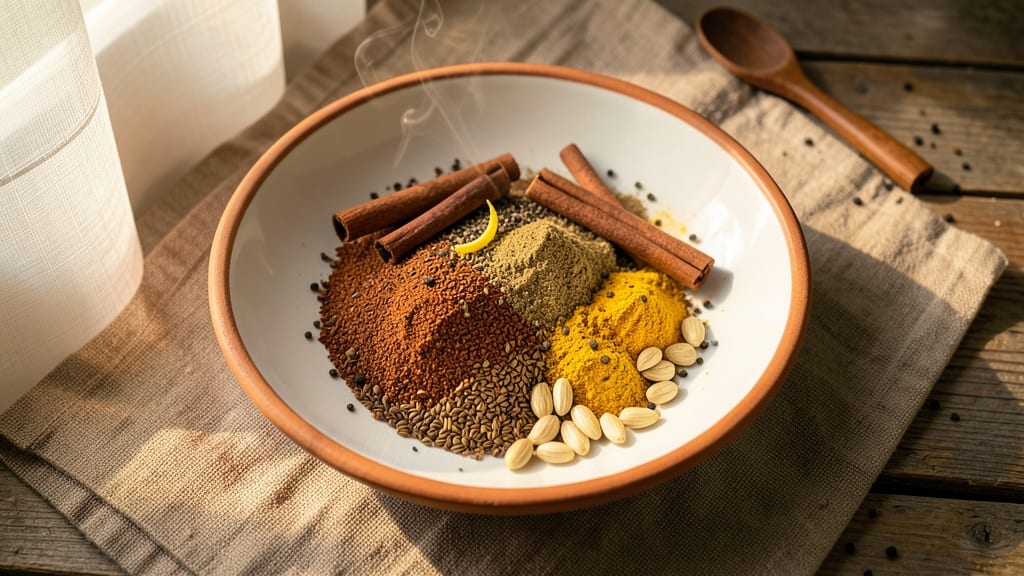
Baba's Chicken Curry Powder transforms simple chicken into restaurant-quality flavor with just a sprinkle. This warm spice blend captures the depth of my grandmother's cooking—complex, aromatic, and impossible to replicate with store-bought powders. The secret lies in balancing earthy coriander with smoky cumin and subtle cardamom, creating layers of flavor that develop as they cook.
What makes this blend special is its precision—each spice plays a specific role, from the sweet warmth of cinnamon to the bright kick of black pepper. Unlike generic curry powders, this formula is designed specifically for chicken, where its flavors can truly shine without competing with other ingredients.
The blend stays fresh for months in an airtight container, ready to elevate any dish.
Using just 1 tablespoon per pound of chicken, you'll achieve tender, aromatic meat with a golden-brown crust that's impossible to resist. The spices dissolve into the cooking liquid, creating a fragrant broth that's perfect for soups, stews, or marinades.
This isn't just a seasoning—it's a flavor foundation that turns ordinary chicken into something extraordinary.
The beauty of this blend is its versatility. While it's perfect for chicken, it also works beautifully with vegetables, rice dishes, or even as a rub for roasted potatoes. The key is toasting the spices lightly before blending to release their essential oils and deepen their flavor.
Once you try homemade, store-bought curry powder will never taste the same again.
Ingredients for baba's chicken curry powder
Nine aromatic spices blend into Baba's signature powder—complex, warm, and impossible to replicate.
| Ingredient | Amount | Notes |
|---|---|---|
| Ground Coriander Seeds 🌿 | 3 tbsp | Toasted for enhanced aroma |
| Ground Cumin Seeds 🌿 | 2 tbsp | Toasted for deeper flavor |
| Ground Cardamom Pods 🌿 | 1 ½ tbsp | Freshly ground preferred |
| Ground Turmeric 🧡 | 1 ½ tbsp | Bright yellow for color |
| Ground Cinnamon 🌿 | 1 tbsp | Sweet warmth essential |
| Ground Black Pepper 🌶️ | 1 tbsp | Freshly cracked for bite |
| Ground Fenugreek Seeds 🌿 | ½ tbsp | Maple-like sweetness |
| Ground Cloves 🌿 | ½ tbsp | Whole cloves preferred |
| Ground Ginger 🌿 | ½ tbsp | Freshly ground for zing |
| Diamond Crystal Kosher Salt 🧂 | ½ tsp | For seasoning balance |
The coriander and cumin are your foundation—toast them whole in a dry pan for 30 seconds until fragrant before grinding. Penzeys Spices or bulk bins at Whole Foods are ideal for freshness, but any quality brand works. Cardamom and cloves? Buy whole pods—they keep for months and you can grind them fresh as needed. The fenugreek is non-negotiable for that authentic maple-curry depth, though it's an acquired taste. If you can't find it, skip it—your blend will still be delicious, just slightly different. For the turmeric, grab the bright yellow kind; the pale stuff lacks punch. Store all spices in airtight containers away from light and heat—they lose potency fast once opened.
No cardamom? Double the cinnamon and add 1/4 tsp nutmeg for warmth. Running low on cloves? Allspice works at half the amount. The fenugreek can be tricky to find—substitute 1/4 tsp maple syrup per tablespoon of blend if you're desperate, though it won't be identical. Freshly ground spices make all the difference here, but pre-ground is fine in a pinch (just check the expiration date—anything over a year old should be tossed). The salt is key for balancing the blend—Diamond Crystal is less salty than Morton, so adjust to taste. For extra depth, toast the whole spices with a pinch of sugar before grinding—caramelization magic right there.
This blend keeps for 6-12 months in an airtight glass jar, tucked in a cool, dark pantry. Portion it into small jars if you won't use it all at once—freshness is everything. I make a triple batch every time; one for cooking, two to give away. The spices develop even more flavor over time, so don't be afraid to let it sit. If you're using it for marinades, mix the powder with 2 tbsp olive oil per tablespoon of blend for maximum adhesion. Trust me, your chicken will thank you.
Why You'll Love This Recipe
- Pantry Magic: I swear, this blend lives in my spice rack like a secret weapon—just toast the coriander and cumin seeds for 30 seconds, grind them fresh, and you’re already halfway to flavor town. No fancy tools, no stress, just a mortar (or blender) and a deep breath.
- Warmth in a Pinch: That first whiff of cardamom and cinnamon hitting the oil? Instant mood booster. The turmeric gives it that golden glow, while the cumin and coriander layer in earthy depth—like a hug in spice form, but way more delicious.
- Leftover Hero: Make a double batch of the powder, and suddenly you’ve got curry for tonight, tacos for tomorrow, and a rub for grilled chicken on Sunday. I’ve used it on everything from scrambled eggs to roasted potatoes—it’s the kind of spice that makes lazy nights feel intentional.
- Budget-Friendly Flavor Bomb: Ground spices cost pennies but taste like they’re worth dollars. A little goes a long way, and since you’re just blending what you already have (or can grab cheaply), this is the recipe that lets me feed my family rich, aromatic food without breaking the bank. (Yes, even on a Tuesday night.)
Step-by-step instructions for Baba's chicken curry powder
Creating this aromatic blend transforms ordinary dishes into restaurant-quality masterpieces.
Measure All Ingredients Precisely
Gather all the ingredients and measure them using a kitchen scale or measuring spoons for accuracy. I like to use a small bowl for each spice to keep things organized. The ground coriander seeds and ground cumin seeds should be the first two you measure out, as they form the base of this blend with their earthy warmth. Remember, these spices are potent, so stick exactly to the quantities provided—too much of any single spice can overpower the delicate balance.
For the ground cardamom pods and ground turmeric, take special care to measure them separately. The cardamom brings a floral, slightly citrusy note that brightens the blend, while the turmeric adds that signature golden color and earthy depth. Don't skip the freshly ground preference for cardamom if possible—pre-ground spices lose their aroma quickly. The ground cinnamon and ground black pepper should be measured next, as they provide the sweet warmth and sharp bite that round out the flavor profile.
Combine Spices in a Mixing Bowl
Transfer all the measured spices into a medium-sized mixing bowl. I prefer using a glass or ceramic bowl because it allows me to see the colors blend together beautifully as I work. Start by adding the ground coriander seeds and ground cumin seeds, followed by the ground cardamom pods and ground turmeric. Gently stir these together with a silicone spatula, making sure each spice is evenly distributed.
Next, add the ground cinnamon, ground black pepper, ground fenugreek seeds, ground cloves, and ground ginger. The fenugreek and cloves might seem small in quantity, but they contribute unique flavors—a maple-like sweetness from the fenugreek and a deep, almost medicinal warmth from the cloves. Finally, sprinkle in the diamond crystal kosher salt. The salt isn't just for seasoning; it helps bind the spices together and enhances their individual flavors. Use your spatula to gently fold everything until the mixture looks uniformly blended.
Whisk Thoroughly for Even Distribution
Switch to a whisk or a fork to break up any clumps and ensure the spices are thoroughly mixed. I like to whisk in small circles, starting from the center of the bowl and working my way outward. This method helps distribute the finer spices, like the ground cloves and ground ginger, evenly throughout the blend. Pay close attention to the edges of the bowl—those are often where spices can get left behind.
Whisk for about 2-3 minutes until the mixture is completely homogeneous and the color is consistent. You should see a rich, golden-brown blend with flecks of darker spices throughout. The aroma should be intoxicating—earthy, slightly sweet, with hints of warmth and spice. If you're unsure whether it's well-mixed, take a small pinch and taste it. Each bite should deliver a balanced combination of flavors without any single spice overpowering the others. If you detect any dominant flavors, whisk a bit longer to even things out.
Store Properly for Maximum Freshness
Transfer the blended curry powder to an airtight container, such as a glass jar or a resealable plastic bag with the air squeezed out. I like to use a jar with a tight-sealing lid to keep the spices fresh and protected from moisture and light. Label the container with the name of the blend and the date you made it. Proper storage is key to maintaining the potency and flavor of your curry powder.
Store the container in a cool, dark place, like a pantry or cabinet, away from the stove or oven. If you prefer, you can also store it in the refrigerator for even longer freshness, though it's not strictly necessary. This blend will stay flavorful for up to 3 months when stored properly. To use, simply shake the container gently before each use to redistribute any settled spices. A little goes a long way—start with 1-2 teaspoons per pound of chicken or 1 teaspoon per cup of flour for baking, and adjust to taste.
Pro Tips For Making Baba'S Chicken Curry Powder
- Bloom the Spices Slowly: I learned this the hard way—dumping all the ground spices at once into hot oil turns them bitter fast. Instead, toast them in batches: start with cinnamon and cardamom (they burn quick), then add cumin and coriander, stirring constantly over medium-low heat until they smell warm and earthy—not smoke-y. Turmeric can wait until the end; it’s the diva that scalds easily.
- Toast Whole Seeds First: Skip the pre-ground shortcut. Whole coriander and cumin seeds toasted for 2 minutes in a dry pan before grinding release way more aroma—this is the thing that matters most for depth. Pulse them in a spice grinder afterward; the extra effort makes the difference between "meh" and "wow." (Yes, even if you’re impatient like me.)
- Watch the Turmeric: That bright yellow powder is sneaky—it turns the whole curry into a sad, muted shade if you overdo it. Use half the recipe’s suggested amount unless you’re going for a mustard-yellow curry. Trust me, your chicken will taste richer when the spices sing, not when they’re drowned in pigment.
- Bloom with Oil, Not Water: Resist the urge to add liquid when toasting the spice blend. A good 2 tablespoons of oil (ghee if you’re fancy) creates a fragrant base that carries the flavors into the chicken. Water later will dilute that hard-won depth—save it for the simmering stage, not the start. (Your future self will thank you.)
Best sauces and condiments for this dish
Creamy Coconut Sauce
Transform your chicken into a fragrant curry by simmering it in a coconut milk sauce infused with your homemade spice blend. Start by sautéing 2 tbsp minced garlic and 1 tbsp grated ginger in 2 tbsp neutral oil until fragrant.
Add 1 tbsp of your Baba’s Chicken Curry Powder and toast for 30 seconds to release the spices' aroma. Pour in 1 can (13.5 oz) full-fat coconut milk and 1 cup chicken broth, then simmer for 15 minutes until slightly thickened.
Finish with 1 tbsp lime juice and fresh cilantro. 🥥
Yogurt-Marinated Chicken
For tender, flavorful chicken, marinate 1.5 lbs boneless thighs in a mix of ½ cup plain Greek yogurt, 1 tbsp Baba’s Chicken Curry Powder, 1 tbsp honey, and 1 tsp lemon juice for at least 4 hours (overnight is best).
Grill or bake at 375°F for 25-30 minutes, basting occasionally. The yogurt keeps the meat juicy while the spices caramelize into a delicious crust. Serve with naan or basmati rice for a complete meal.
Spiced Tomato Gravy
Elevate your chicken dishes with a tomato-based gravy that highlights the spice blend’s depth. Sauté 1 diced onion and 2 minced garlic cloves in 2 tbsp oil until soft. Stir in 1 tbsp Baba’s Chicken Curry Powder and cook for 1 minute.
Add 1 can (14 oz) crushed tomatoes, 1 cup broth, and 1 tsp sugar to balance acidity. Simmer for 20 minutes, then blend until smooth. Use it as a sauce for chicken, dumplings, or even mashed potatoes.
Butter-Basted Roasted Potatoes
Roast 2 lbs baby potatoes, halved, with 2 tbsp olive oil, 1 tbsp Baba’s Chicken Curry Powder, and ½ tsp salt at 425°F for 30 minutes. Toss with 3 tbsp melted butter and 1 tbsp chopped parsley for a crispy, spiced side dish.
The potatoes absorb the curry powder’s warmth beautifully, making them a perfect complement to your chicken curry. 🥔
Sweet Mango Chutney
Balance the heat with a cooling mango chutney that pairs perfectly with the spice blend. Blend 2 ripe mangoes, ¼ cup cilantro, 2 tbsp lime juice, 1 tbsp honey, 1 tsp cumin seeds, and 1 tsp salt until smooth.
Thin with water if needed. Serve as a dip or drizzle over chicken curry for a sweet-tangy contrast. Store in an airtight container for up to 5 days in the fridge.
Nutrition facts
Frequently asked questions
Can I adjust the spice levels in Baba's Chicken Curry Powder?
The recipe is flexible—reduce the black pepper or cloves by half for a milder blend, or double the cinnamon and cardamom for extra warmth. For heat lovers, add ¼ tsp cayenne pepper per batch. Always taste-test after mixing to balance flavors.
How much curry powder should I use per pound of chicken?
Start with 1 tablespoon per pound of chicken for a balanced flavor. For marinades, increase to 2 tablespoons per pound to intensify the aroma. Less experienced cooks should begin with ½ tablespoon per pound to avoid overwhelming the dish.
Can I substitute any spices if I'm missing ingredients?
Yes! Skip fenugreek if unavailable—it’s optional. Replace cardamom with ½ tsp nutmeg + ½ tsp cinnamon, and swap cloves for ½ tsp allspice. Avoid substituting turmeric (it’s key for color and earthiness) or coriander/cumin (the blend’s foundation).
Why does my homemade blend taste different from store-bought?
Store-bought powders often contain fillers (like rice flour) and lower-quality spices. Freshly ground, whole spices release more aroma and flavor. Toasting your spices before blending also deepens their taste—something pre-packaged blends skip. Your blend should taste complex, not one-dimensional.
How do I revive stale curry powder?
Toast the blend in a dry pan over low heat for 2-3 minutes, stirring constantly, to reactivate flavors. Let it cool completely before storing. For extra potency, add ¼ tsp freshly ground black pepper or a pinch of ginger to the jar. Stale powder won’t be as vibrant but will still work!