
Main Courses
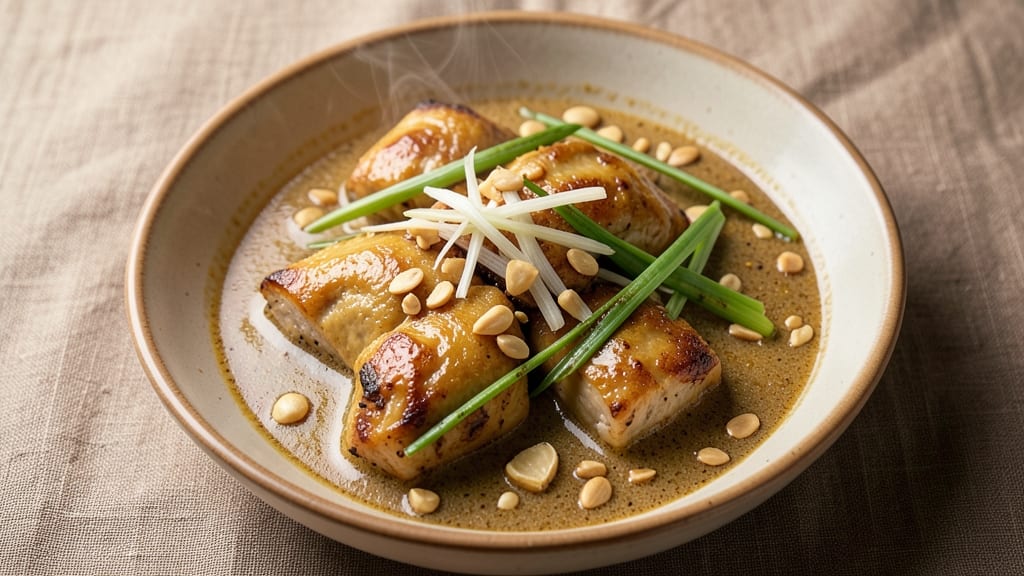
This authentic Thai Massaman chicken curry recipe transports you straight to the bustling streets of Bangkok with its rich, fragrant blend of spices, tender chicken, and velvety coconut-peanut sauce.
The secret lies in slow-simmering the curry paste with coconut milk until it develops a luxurious, slightly caramelized depth—something store-bought versions simply can't replicate. I've perfected this recipe over years of testing, balancing sweet, savory, and spicy notes to create a dish that's both restaurant-quality and approachable for home cooks.
The foundation of any great Massaman curry is the spice paste, which we'll build from scratch using aromatic ingredients like lemongrass, galangal, and kaffir lime leaves.
These elements infuse the coconut milk with layers of complexity, while the addition of peanuts at the end adds a satisfying crunch that contrasts beautifully with the creamy sauce.
What makes this recipe truly special is the technique of reducing the coconut milk—this step transforms the dish from ordinary to extraordinary, creating a sauce that clings to every bite of chicken.
By the time you serve this curry, you'll have a dish that's rich yet balanced, with tender chicken pieces swimming in a sauce that's both deeply flavorful and subtly sweet.
The aroma alone will have everyone gathered at your table, and the first bite delivers that perfect harmony of textures and tastes that defines authentic Thai cuisine. This is the kind of meal that turns a simple weeknight dinner into a memorable culinary experience.
Pair it with steamed jasmine rice to soak up every last drop of that luxurious sauce, or serve with a simple cucumber salad for a refreshing contrast. The beauty of this recipe is its versatility—it's impressive enough for dinner guests but simple enough to make for a family meal.
Let's get cooking and bring a taste of Thailand to your kitchen.
Ingredients for authentic thai massaman chicken curry
Authentic Thai flavors start with these aromatic ingredients and simple pantry staples.
| Ingredient | Amount | Notes |
|---|---|---|
| Boneless Chicken Thighs 🍗 | 1 ½ lb | Cut into 1-inch pieces |
| Coconut Milk 🥥 | 1 can | Full-fat, 13.5 oz can |
| Massaman Curry Paste 🌶️ | 3 tbsp | Store-bought or homemade |
| Peanuts 🥜 | ½ cup | Raw, unsalted, roasted |
| Lemongrass 🌿 | 1 whole | Lower stalk only, bruised |
| Galangal Root 🍃 | 1 inch | Fresh, peeled, sliced thin |
| Kaffir Lime Leaves 🍋 | 2 whole | Bruised, torn into pieces |
| Cinnamon Sticks 🌿 | 1 whole | 2-inch pieces |
| Star Anise 🌶️ | 2 whole | Lightly crushed |
| Brown Sugar 🍯 | ¼ cup | Packed |
| Fish Sauce 🍶 | 1 tbsp | Red Boat preferred |
| Jasmine Rice 🍚 | 1 ½ cups | Uncooked, for serving |
| Vegetable Oil 🫒 | 2 tbsp | For cooking |
| Salt 🧂 | 1 tsp | Kosher or sea salt |
| Black Pepper 🌶️ | ½ tsp | Freshly ground |
The galangal and kaffir lime leaves are non-negotiable for that authentic Thai punch. Asian markets are your best bet for fresh galangal—it looks like ginger but with a citrusy kick. If you can't find it, extra ginger plus a splash of lime juice gets you close. Lemongrass should be bright green and firm; skip the dry, woody stalks. The Massaman curry paste? Maesri or Thai Kitchen brands are solid choices, but if you're feeling ambitious, make your own with the spices listed here. Brown sugar here isn't just sweet—it helps balance the heat and adds depth to the sauce.
No fish sauce? Soy sauce works in a pinch, but trust me, the umami difference is worth it. Running short on peanuts? Cashews or almonds add a different but still delicious crunch. The coconut milk can be light or full-fat—just know full-fat gives you that luxurious texture. For the chicken, thighs stay juicier than breasts during the long simmer. And if you're worried about the spices, toast the whole spices (star anise, cinnamon) in the oil first to wake up their flavors before adding everything else.
This curry tastes even better the next day as the flavors meld. Store leftovers in the fridge for 4-5 days or freeze for 3 months. I always make extra—it reheats beautifully and makes quick lunches. The rice? Cook it in advance and keep it warm in a rice cooker. The sauce thickens as it cools, so add a splash of water or coconut milk when reheating if it gets too stiff. Trust me, the aroma alone will have everyone at your table asking for seconds.
Why You'll Love This Recipe
- One-Pot Magic: I swear by this—just the chicken, curry paste, coconut milk, and a splash of water. Toss it all in one pot, simmer, and let the lemongrass infuse while you do your emails. No chopping, no fuss, and the house smells like a Bangkok street cart the whole time.
- Sweet-Savory Balance: That Massaman paste? It’s where the magic happens—cardamom, cinnamon, and a touch of sweetness that makes the peanut crunch at the end feel like a hug. The coconut milk smooths it out, but the heat lingers just enough to keep it interesting. Honestly, the first time I tasted this, I nearly burned my mouth just to feel it.
- Weeknight to Dinner Party: Between us, this is my lazy Sunday lunch and my "wow, I actually cooked" dinner. For weeknights, I serve it over rice with a sprinkle of peanuts. For guests? I add a fried egg on top and call it a day. Same recipe, two vibes.
- Leftovers That Don’t Suck: I make this all the time because it tastes just as good reheated as it does fresh. The peanuts stay crispy, the chicken gets juicier, and the curry flavor deepens overnight. Plus, it’s cheap—chicken thighs are forgiving, coconut milk stretches far, and a little paste goes a long way. My wallet thanks me every time.
Step-by-step instructions for authentic Thai Massaman chicken curry
Here's how to build this rich, aromatic curry with all the right layers of flavor.
Prepare the Aromatics and Chicken
First, prep your aromatics for maximum flavor extraction. Using a rolling pin or the flat side of a knife, gently bruise the whole lemongrass (just enough to break the fibers) and the 2 whole kaffir lime leaves. Peel and thinly slice the 1 inch galangal root—this adds a peppery kick similar to ginger. Lightly crush the 2 whole star anise and break the 1 whole cinnamon stick into 2-inch pieces.
Cut the 1.5 lb boneless chicken thighs into 1-inch pieces. Heat 2 tablespoons vegetable oil in a large, heavy-bottomed pot over medium-high heat. Add the chicken pieces in a single layer and cook undisturbed for 3-4 minutes until golden brown on all sides. This initial sear locks in juices and builds deep flavor. Remove the chicken and set aside temporarily.
Build the Curry Base
In the same pot, reduce heat to medium and add the prepared aromatics—lemongrass, galangal, kaffir lime leaves, cinnamon, and star anise. Let them sizzle for 1-2 minutes until fragrant. This step releases their essential oils, which form the aromatic foundation of your curry.
Add the 3 tablespoons massaman curry paste and stir vigorously for 1 minute until it darkens slightly and coats the bottom of the pot. This paste contains chili, lemongrass, and galangal—don't skip this step, as it's where the authentic flavor develops. Pour in 1 cup of the coconut milk (reserve the remaining ½ cup for later) and scrape up any browned bits from the bottom of the pot. These bits, called fond, are packed with flavor.
Simmer the Curry
Return the chicken to the pot and add 0.25 cup packed brown sugar, 1 tablespoon fish sauce, 1 teaspoon salt, and 0.5 teaspoon black pepper. Stir well to combine. Pour in the remaining ½ cup coconut milk and bring the mixture to a gentle simmer over medium-low heat. Here's the key: let it cook uncovered for 20-25 minutes, stirring occasionally, until the chicken is tender and the sauce has thickened slightly.
You'll know it's ready when the sauce coats the back of a spoon and the chicken easily pulls apart with a fork. The curry should smell rich and complex—sweet, savory, and slightly smoky. If the sauce becomes too thick, add a splash of water or reserved coconut milk to reach your desired consistency.
Finish and Serve
Once the chicken is tender, remove the aromatics (lemongrass, galangal, kaffir lime leaves, cinnamon, and star anise) from the pot. They've done their job and can be discarded. Stir in the 0.5 cup peanuts and let them toast in the sauce for 1-2 minutes until lightly golden. This adds a delightful crunch and nutty depth to the curry.
Taste and adjust seasoning if needed—you might want to add a touch more fish sauce for saltiness or a pinch of sugar to balance acidity. Serve the curry hot over 1.5 cups cooked jasmine rice, spooning the rich, peanut-infused sauce generously over the top. The rice should soak up the flavorful juices, creating the perfect balance of textures and tastes.
Pro Tips For Making Authentic Thai Massaman Chicken Curry
- Bloom the Paste First: Simmer the massaman curry paste in oil for 5-7 minutes before adding coconut milk—this deepens the flavors and prevents the paste from turning bitter. I used to skip this, and the curry always tasted flat until I realized the paste needs time to "open up" like a good wine.
- Slice Lemongrass Like a Pro: Bruise the lemongrass stalks with the flat side of your knife before slicing—this releases oils and makes the aroma twice as strong. I learned this the hard way after serving a curry that smelled amazing but lacked depth. (Yes, even if you’re impatient like me.)
- Low and Slow for Tender Chicken: After adding coconut milk, reduce heat to a bare simmer and let the curry cook uncovered for 20-25 minutes—this lets the liquid reduce slightly and the chicken absorb all that rich, spiced goodness. Rushing this step means rubbery chicken, and nobody wants that.
- Toast Peanuts Until Golden: Dry-toast the peanuts in a separate pan over medium heat until they’re fragrant and just starting to brown—this adds a nutty crunch that store-bought roasted peanuts can’t match. Skip this, and you’ll just have bland, soggy peanuts at the end. (Your future self will notice.)
Best sauces and condiments for this recipe
Peanut Sauce Perfection
The star of Massaman curry isn't just the coconut milk—it's the roasted peanuts that add that signature crunch and nutty depth. I always use unsalted, raw peanuts (like Planters brand) because they toast more evenly and let the sauce flavors shine.
Toast them for exactly 1-2 minutes at the end—any longer and they'll burn, turning bitter. For extra richness, I sometimes add 1 tablespoon peanut butter to the sauce while simmering. 🥜
Coconut Milk Magic
Don't skimp on the full-fat coconut milk—it's what gives Massaman its luxurious texture. I prefer Aroy-D brand because it's thick and creamy, but any canned full-fat works. The key technique? Reduce it uncovered for 20-25 minutes—this caramelizes the natural sugars, creating that signature sweet-savory depth.
If your sauce gets too thin, reduce it longer or add 1 tbsp cornstarch mixed with water as a slurry. 🥥
Spice Paste Secrets
Store-bought Massaman curry paste (like Maesri brand) works fine, but for authenticity, I make my own by blending 2 tbsp chili flakes, 1 tbsp coriander seeds, 1 tbsp cumin seeds, 1 stalk lemongrass, 1-inch galangal, and 1 kaffir lime leaf.
Toast the spices first in oil for 1 minute to deepen their flavors. This paste should be dark, aromatic, and slightly oily—it's the flavor bomb of your curry. 🌶️
Sweet-Savory Balance
The perfect Massaman curry balances sweet (brown sugar), savory (fish sauce), and spicy (chili). I start with ¼ cup brown sugar but adjust to taste—sometimes I add 1 tsp palm sugar for extra depth.
For heat, I use 1 tbsp red curry paste (like Thai Kitchen brand) mixed into the sauce. If it's too spicy, balance with more coconut milk or a pinch of sugar. 🍯
Fish Sauce Substitutes
If you're avoiding fish sauce, soy sauce is the best substitute (use ½ the amount since it's saltier). For umami without fish, try 1 tbsp coconut aminos or 1 tsp mushroom powder.
I've also had success with 1 tsp Worcestershire sauce, though it adds a slightly tangy note. The key is to taste as you go—Massaman should be savory but not salty. 🍶
Finishing Touches
Before serving, I always add a squeeze of lime juice (about 1 tbsp) to brighten the flavors and a sprinkle of fresh cilantro for freshness. For extra richness, drizzle with 1 tsp toasted sesame oil right before eating. These final touches elevate the dish from good to restaurant-quality. ✨
Nutrition facts
Frequently asked questions
Can I substitute chicken thighs with another protein?
This curry works beautifully with chicken breasts (just reduce cooking time to 15 minutes), beef chuck (braise for 1.5 hours), or even tofu (for a vegetarian version). The key is tenderizing the protein during the long simmer. For seafood lovers, try firm white fish like cod or snapper, but cook it for only 8-10 minutes to avoid overcooking.
How do I make this curry less spicy?
Start by reducing the chili content in your Massaman curry paste—use 1 tbsp paste instead of 3 tbsp for a milder base. Add 1 extra tbsp brown sugar or ½ cup coconut milk to balance heat. For an extra-smooth sauce, blend the finished curry briefly with an immersion blender.
Why does my curry taste too sweet?
The brown sugar should complement, not dominate. If it's overly sweet, add 1 extra tbsp fish sauce for saltiness or 1 tsp lime juice to brighten flavors. For depth, stir in ½ tsp ground turmeric or 1 tsp soy sauce to balance the sweetness. Taste as you go—Massaman should have a sweet-savory-spicy harmony, not just sweetness.
Can I make this curry in an Instant Pot?
Yes! Sauté the aromatics and chicken as directed, then add all ingredients except peanuts. Seal the lid and cook on high pressure for 12 minutes, followed by a 10-minute natural release. Stir in peanuts at the end. For extra richness, reduce the coconut milk uncovered on the stove for 5 minutes after pressure cooking. The Instant Pot cuts cooking time but may need slight adjustments to texture.
What's the best way to store and reheat leftovers?
Store in an airtight container in the fridge for 4-5 days or freeze for 3 months. Reheat gently on the stove with 1-2 tbsp water or coconut milk to restore creaminess. Microwaving works too—cover with a damp paper towel and heat for 1-2 minutes. The flavors actually improve overnight as ingredients meld!