
Soups & Stews
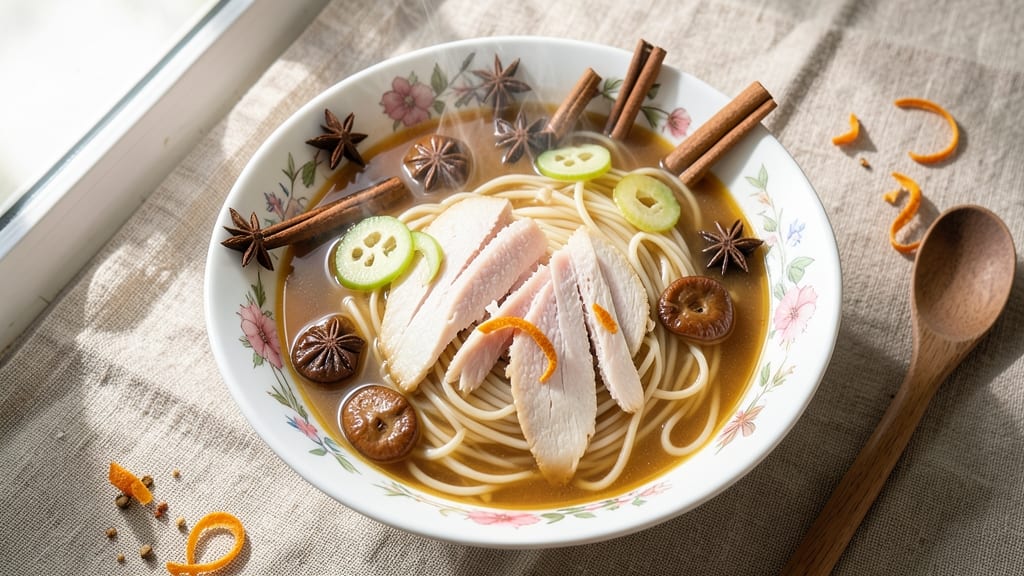
Authentic Chinese chicken noodle soup begins with a fragrant broth that balances ginger's sharpness with star anise's warmth—a harmony that transforms simple ingredients into something deeply comforting. ✨ The secret lies in slow-simmered chicken stock infused with aromatic spices, creating a clear, golden liquid that's the soul of this dish. Unlike heavy Western versions, this soup relies on delicate seasoning and proper technique to achieve that signature lightness and depth.
What sets this recipe apart is the attention to traditional methods: high-heat reduction to concentrate flavors, slippery wheat noodles that absorb the broth without turning mushy, and careful garnishing with green onions and cilantro for freshness.
The broth should be clear enough to see through but rich enough to coat the back of your throat—this is the hallmark of authentic Chinese comfort food.
By following these techniques, you'll achieve a soup that's both restaurant-quality and deeply personal, with each spoonful delivering layers of umami from the chicken, warmth from the spices, and a satisfying slipperiness from the noodles.
The aroma alone will transport you to bustling Chinese eateries, where this dish has been a staple for generations.
Perfect for cold weather or when you need nourishment, this soup scales beautifully from single servings to family-sized batches. The beauty of this recipe lies in its balance—simple ingredients elevated by technique, resulting in a dish that's both comforting and sophisticated. Let's begin with the foundation: the broth.
Ingredients for authentic chinese chicken noodle soup
Fragrant spices and tender chicken transform simple ingredients into restaurant-quality Chinese chicken noodle soup.
| Ingredient | Amount | Notes |
|---|---|---|
| Chicken Breast 🍗 | 1 ½ lb | Boneless, skinless, cut into 1-inch pieces |
| Dried Shiitake Mushrooms 🍄 | ¼ lb | Rehydrated in hot water |
| Fresh Ginger Root 🧅 | 2 tbsp | Thinly sliced, peeled |
| Star Anise Pods 🌟 | 2 whole | Lightly crushed |
| Cinnamon Sticks 🌿 | 2 whole | For aromatic depth |
| Dried Tangerine Peel 🍊 | 1 tbsp | Thinly sliced, organic preferred |
| Green Onions 🧅 | ½ cup | White and green parts separated |
| Fresh Cilantro 🌿 | ¼ cup | Chopped, for garnish |
| Slippery Noodles 🍜 | 8 oz | Fresh or dried, soaked if dried |
| Light Soy Sauce 🥄 | 1 tbsp | For seasoning |
| Sesame Oil 🫒 | 1 tsp | For finishing |
| Salt 🧂 | 1 tsp | Kosher or sea salt |
| White Peppercorns 🌶️ | ½ tsp | Lightly crushed |
| Cornstarch 🌾 | 1 tbsp | For broth clarity |
The star anise and cinnamon sticks are non-negotiable for that signature aroma—Whole Foods or Asian markets carry high-quality whole spices. Look for star anise pods that are plump and intact; Penzeys or Spicewalla brands are ideal. Fresh ginger should smell sharp and bright, not moldy. For the chicken, boneless, skinless breasts ensure tender results, but thighs work if you prefer richer flavor. The dried shiitake mushrooms should be dark brown and flexible—avoid any with a musty smell. Rehydrate them in hot water for 20 minutes before using.
No star anise? Anise seeds or fennel seeds at double the amount mimic the flavor, though not perfectly. Substitute dried tangerine peel with orange zest (1 tbsp), but it lacks the same depth. For the noodles, fresh slippery noodles are essential—dried versions must be soaked thoroughly. If you can't find them, rice noodles or udon work in a pinch, though texture will differ. The sesame oil should be toasted, not flavored—Kadoya or La Choy are reliable brands. For extra umami, add 1 tsp fish sauce** (ensure it's vegan if needed).
The broth keeps for 3 days in the fridge, though flavor intensifies after 24 hours. Store it in an airtight container with a lid slightly ajar to prevent skin formation. Freeze for up to 3 months in ice cube trays for easy portioning. The noodles should be cooked al dente and added to the broth just before serving to maintain their signature slipperiness. Garnish with cilantro and green onions immediately before eating—freshness is key** here. Portion the soup into bowls with broth first, then noodles, to prevent sogginess.
Why You'll Love This Recipe
- No Chopping Chaos: I swear by this recipe because the dried shiitake mushrooms handle all the prep—just soak them in hot water, and they’re ready. Even my kitchen-scare tactics (like forgetting to peel ginger) won’t ruin it.
- Umami Bomb Combo: That star anise and cinnamon stick duo? It’s magic. The broth develops a deep, aromatic warmth that makes the chicken taste like it’s been simmering for hours—not just 20 minutes.
- Leftovers That Beg: This soup begs to be reheated. The flavors actually deepen overnight, and I’ve sent jars to sick friends who swear it’s better than takeout. (Between us, it is.)
- Weeknight Workhorse: I make this when I’m too tired to think. Toss in pre-cut chicken, a handful of noodles, and the pantry spices—done. It’s my go-to for lazy nights or when company drops by unannounced.
Step-by-step instructions for authentic Chinese chicken noodle soup
This method delivers restaurant-quality broth with deep aromatic complexity and silky noodles.
🍳 Step 1: Sear and Parboil the Chicken
Heat a large pot over medium-high heat and add the 1.5 lb chicken breast cut into 1-inch pieces. Sear for 3-4 minutes until the surfaces turn opaque white. This step develops flavor through the Maillard reaction before we extract it into the broth.
Remove the chicken and set aside. Add 4 cups water to the pot and bring to a boil. Return the chicken to the water and simmer for 10 minutes. This parboiling step ensures the chicken cooks through while retaining moisture in the broth. The chicken should be just cooked through but still tender enough to shred easily.
🍳 Step 2: Build the Aromatic Broth Base
In a separate small pot, combine 6 cups water, the 0.25 lb dried shiitake mushrooms, 2 tbsp sliced fresh ginger root, 2 lightly crushed star anise pods, 2 whole cinnamon sticks, and 1 tbsp dried tangerine peel. Bring to a boil over high heat, then reduce to a simmer for 15 minutes.
This aromatic infusion creates the signature complexity of authentic Chinese soups. You'll notice the liquid developing a rich amber color and an intoxicating fragrance—this is the essence of your soup. Strain the liquid through a fine-mesh sieve into a clean pot, pressing gently on the solids to extract maximum flavor.
🥘 Step 3: Combine and Simmer the Broth
Return the parboiled chicken to the strained broth along with the 1 tbsp light soy sauce, 1 tsp salt, and 0.5 tsp crushed white peppercorns. Bring to a gentle simmer over medium heat and cook for 20 minutes, skimming off any foam that rises to the surface.
The broth should now be clear with a beautiful golden hue. Taste and adjust seasoning—authentic Chinese soups rely on subtle balance rather than heavy seasoning. The chicken should be fully cooked and easily shreddable at this point. Remove the chicken and set aside, leaving the broth to continue simmering.
🍳 Step 4: Thicken and Finish the Broth
In a small bowl, whisk together the 1 tbsp cornstarch with 2 tablespoons cold water until smooth. Slowly ladle ½ cup of the hot broth into the cornstarch mixture, whisking constantly to prevent lumps. Return this slurry to the pot and simmer for 2-3 minutes until the broth thickens slightly.
Return the shredded chicken to the pot and stir gently. The broth should now coat the back of a spoon with a velvety texture. Remove from heat and stir in the 1 tsp sesame oil. This finishing step adds depth and richness to the soup's flavor profile.
🥘 Step 5: Assemble and Serve
Divide the 8 oz slippery noodles among four bowls. Ladle the hot broth over the noodles, ensuring each serving gets an equal portion of chicken and aromatics. Garnish each bowl with 2 tablespoons green onion whites and 1 tablespoon chopped fresh cilantro, reserving the green onion tops for garnish.
Serve immediately with the green onion tops sprinkled on top. The noodles should be perfectly al dente, absorbing the rich, fragrant broth while maintaining their signature slippery texture. Each spoonful should deliver a harmonious balance of savory, aromatic, and slightly sweet flavors that define authentic Chinese chicken noodle soup.
Pro Tips For Making Authentic Chinese Chicken Noodle Soup
- Parboil Chicken First: Skip the raw chicken in broth—poach the breast in simmering water for 8-10 minutes until just firm (165°F internal temp). This guarantees tender slices without drying out later, and the pre-cooked meat absorbs flavors faster when you return it to the pot.
- Soak Mushrooms 30 Minutes: Toss dried shiitakes in hot water for half an hour before using. I learned this the hard way—rinsing them first makes them tough, and skipping the soak leaves them chewy. Use that mushroom water later for extra umami depth.
- Char the Ginger: Lightly sear the ginger slices in a dry pan until fragrant and slightly crisp (about 1 minute per side). The caramelized edges add a smoky complexity that plain minced ginger can’t match—trust me, it’s worth the extra 30 seconds.
- Simmer Low and Slow: After adding spices (star anise, cinnamon), reduce heat to a gentle simmer—barely bubbles, no rolling. I used to rush it, and the broth turned cloudy. Patience here keeps the broth clear and lets flavors meld properly.
Troubleshooting this recipe
Broth Too Cloudy?
If your broth looks murky instead of crystal-clear, it's likely from tiny food particles or insufficient straining. After simmering the aromatic ingredients, strain through a fine-mesh sieve or cheesecloth for maximum clarity.
For extra refinement, chill the broth overnight—the fat will solidify on top, making it easy to skim off before reheating. 🌡️
Chicken Overcooked?
Chicken that's tough or dry usually means it simmered too long. Remove chicken from the broth once it reaches 165°F internal temperature (about 10 minutes of parboiling). If it's overcooked, shred it and add it back just before serving to maintain tenderness.
For extra juiciness, reserve some broth before shredding and mix it back in.
Noodles Mushy?
Slippery noodles lose their texture when overcooked in hot broth. Cook them al dente (about 1-2 minutes less than package instructions) and add them to the soup only in the last 2 minutes of heating.
If they're already mushy, strain them from the broth and briefly toast them in a dry pan over medium heat to restore some bite.
Flavor Too Weak?
Weak flavor usually means the aromatic ingredients didn't infuse long enough. Extend the simmering time of the broth base to 20-25 minutes for deeper flavor. Add 1 tsp fish sauce or ½ tsp MSG (optional) for umami depth.
For extra aroma, lightly toast the star anise and cinnamon sticks in a dry pan before adding them to the broth.
Broth Too Salty?
If your broth tastes overly salty, dilute it by adding ½ cup hot water per bowl and adjust seasoning with a pinch of white peppercorns or a splash of light soy sauce.
For a more authentic balance, add 1 tsp sugar to counteract saltiness while enhancing the broth's natural sweetness from the chicken and mushrooms.
Garnishes Wilted?
Fresh cilantro and green onions lose their vibrancy if added too early. Always garnish just before serving—the heat of the soup will quickly wilt them. For extra freshness, chop the green onions and cilantro right before sprinkling on top.
If using dried herbs, toast them lightly in a dry pan for 30 seconds to restore their aroma.
Nutrition facts
Frequently asked questions
Why does authentic Chinese chicken noodle soup use star anise and cinnamon?
These spices create the signature aromatic depth of the broth. Star anise adds a licorice-like warmth while cinnamon contributes sweetness and complexity—together they build the soul of the soup. The traditional combination balances the ginger's sharpness and enhances the chicken's natural umami. Many regional variations include these spices in different ratios, but they're essential for authenticity.
Can I substitute dried tangerine peel if I don't have it?
Yes, but with limitations. Use 1 tbsp orange zest as a substitute, though it won't replicate the exact flavor profile. The peel adds a subtle citrus aroma that brightens the broth—if you omit it completely, increase the ginger slightly (2.5 tbsp) to maintain balance. For best results, look for organic dried tangerine peel in Asian markets.
How do I get the clear, golden broth like in restaurants?
The key is proper straining and simmering technique. After infusing the aromatics, strain through a fine-mesh sieve or cheesecloth, pressing gently to extract maximum flavor. Simmer the broth uncovered at medium-low heat for 20-25 minutes to evaporate excess water. The cornstarch slurry at the end helps create that signature velvety texture while maintaining clarity.
What's the difference between this soup and Western chicken noodle soup?
Authentic Chinese versions focus on clear, aromatic broths with delicate seasoning, while Western styles often use heavy cream or thickeners. This recipe avoids dairy entirely, relying instead on ginger, star anise, and light soy sauce for flavor. The noodles are slippery wheat noodles (not egg noodles) that absorb broth without becoming mushy, and the chicken is shredded rather than served in chunks.
Can I make this soup vegetarian?
Yes, with modifications. Replace the chicken with shiitake mushrooms or tofu, and use vegetable stock instead of chicken stock. Keep all the aromatic ingredients (ginger, star anise, etc.) for flavor. For umami depth, add 1 tbsp soy sauce and 1 tsp mushroom powder. The broth will still be fragrant and satisfying, though the texture will differ slightly without chicken.