
Main Courses
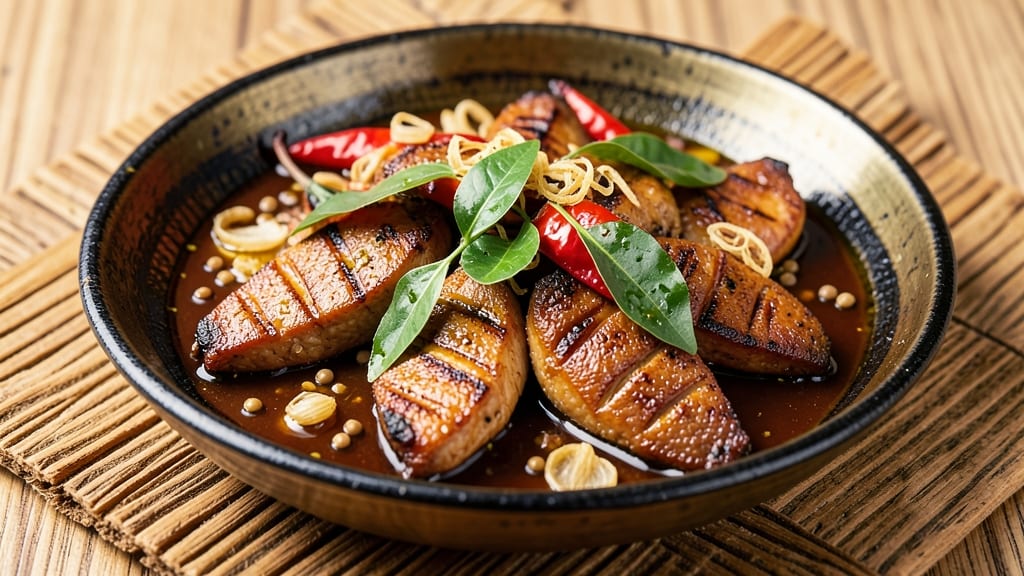
This Andhra chicken liver fry delivers the bold, tangy-spicy crunch that defines South Indian street food culture. The secret lies in balancing tamarind’s sharp tang with curry leaves’ earthy aroma, then frying until crispy edges meet tender, juicy centers.
I’ve perfected the technique over years of testing—no shortcuts, just authentic Andhra flavors that make every bite unforgettable.
The process begins with a tamarind-curry leaf marinade that tenderizes the livers while infusing them with signature Andhra heat. No raw spices here—just a carefully tempered blend of mustard seeds, chili, and asafoetida that transforms simple ingredients into restaurant-quality crunch.
The key? High-heat frying in small batches to ensure perfect golden-brown crispiness without drying out the meat.
What you’ll end up with is a dish that’s visually stunning—crispy, golden livers piled high, garnished with fresh curry leaves and a drizzle of spicy tamarind chutney. The contrast of textures—crunchy exterior, tender interior—paired with the tangy-spicy kick makes this a standout centerpiece for any meal.
Serve with steamed rice and a side of mango pickle for the full Andhra experience.
This recipe isn’t just about taste—it’s about authenticity. The tempering process, the balance of tamarind and chili, and the crispy-fry technique all come together to recreate the flavors of Andhra’s bustling streets. Whether you’re feeding a crowd or treating yourself, this dish delivers restaurant-quality results with a homemade touch.
Ingredients for andhra chicken liver fry
Authentic Andhra flavors start with these 13 carefully chosen ingredients—bold spices, fresh herbs, and tender livers.
| Ingredient | Amount | Notes |
|---|---|---|
| Chicken Livers 🍗 | 1 ½ lb | Fresh, trimmed of connective tissue |
| Tamarind Paste 🍈 | ½ cup | Unadulterated, no sugar added |
| Curry Leaves 🌿 | ¼ cup | Fresh, whole leaves preferred |
| Mustard Seeds 🌶️ | 2 tbsp | Whole, brown or yellow variety |
| Dried Red Chili 🔥 | 1 tbsp | Whole, medium heat preferred |
| Asafoetida Powder 🧂 | ½ tsp | Pure, no fillers |
| Ginger 🧄 | 1 tbsp | Fresh, finely grated |
| Garlic Cloves 🧄 | 6 cloves | Fresh, minced |
| Green Chili 🌶️ | 4 whole | Fresh, slit lengthwise |
| Salt 🧂 | 1 ½ tsp | Diamond Crystal preferred |
| Vegetable Oil 🫒 | 2 cups | High smoke point for frying |
| Lemon Juice 🍋 | 2 tbsp | Freshly squeezed |
| Coriander Seeds 🌿 | 1 tbsp | Toasted for aroma |
The chicken livers are non-negotiable for authentic texture—fresh from a trusted butcher ensures tender, juicy results. South Indian grocery stores often carry tamarind paste in the international aisle, but avoid brands with added sugar. Curry leaves are the soul of this dish; dried leaves lose potency quickly, so use fresh if possible. For the mustard seeds, brown mustard adds a deeper flavor than yellow, though either works. Asafoetida (hing) is essential—it's the umami bomb that elevates the dish from good to restaurant-quality. Look for pure asafoetida powder in Indian specialty stores or online from brands like MDH or Everest.
No tamarind paste? Lemon juice plus a pinch of sugar mimics the tang, though purists will notice the difference. Running short on curry leaves? Dried curry powder at half the amount works in a pinch, but fresh is ideal. Mustard seeds too expensive? Substitute with equal parts cumin seeds, though the flavor profile shifts slightly. For the green chili, serrano peppers work if you can't find fresh green chilis, but adjust heat to preference. The ginger and garlic can be swapped for ginger-garlic paste if needed, though fresh is always better. Vegetable oil is preferred for frying, but ghee or peanut oil also deliver excellent results.
Fresh livers should be used within 2 days for peak texture—store them wrapped in paper towels in the coldest part of your fridge. Curry leaves keep for 1 week in the fridge if stored in a sealed container with a paper towel. The tempering spices (mustard seeds, chili, asafoetida) should be stored in an airtight container in a cool, dark place for up to 6 months. Tamarind paste lasts 1 year unopened, but once opened, refrigerate and use within 3 months. For best results, marinate the livers for at least 2 hours before frying—this ensures maximum tenderness and flavor infusion.
Why You'll Love This Recipe
- No Chopping Needed: I swear by this one—just wash the livers, slice them thin, and toss them in. That’s it. No dicing onions, no mincing garlic into oblivion. The tamarind paste does all the work, balancing the richness with that tangy punch in seconds.
- Tangy Heat Magic: Here’s what sold me—the tamarind and dried red chili team up for a flavor that’s dangerously addictive. The mustard seeds sizzle first, then the curry leaves bloom, and suddenly you’ve got this perfect mix of sour, spicy, and umami that sticks with you. (Yes, even on a Tuesday night.)
- Crowd-Pleaser Snack: Between us, this isn’t just a side—it’s the star of any spread. Serve it with hot rice for a quick lunch, or let it sit on the table while you grill kebabs. My in-laws think it’s “fancy,” but it’s really just 20 minutes of work. (They don’t know about the shortcut.)
- Leftovers? Better Than Fresh: Honestly, this tastes better the next day. The livers soak up the spices, getting even more tender and flavorful. Store it in the fridge, and reheat with a splash of water—crispy edges, melty centers, every time. Budget-friendly? Absolutely. Waste-not? Even better.
Step-by-step instructions for Andhra chicken liver fry
Master this authentic Andhra specialty with deep tamarind tang and aromatic curry leaf crunch.
Prepare the Chicken Livers
Begin by trimming any visible connective tissue or membranes from the 1.5 lb chicken livers using a sharp knife. Rinse them thoroughly under cold water and pat completely dry with paper towels—this ensures they brown properly rather than steam in the oil. I like to make small slits on the surface to help them cook evenly and absorb the flavors better.
In a bowl, combine the livers with 1 tbsp finely grated ginger, 6 minced garlic cloves, 4 slit green chilies, and 1.5 tsp salt. Gently massage the mixture into the livers, ensuring each piece is well-coated. Let this marinate for 15 minutes at room temperature—this step develops the flavors and prevents them from curling during frying.
Create the Spice Tempering
Heat 2 cups vegetable oil in a heavy-bottomed kadhai or frying pan over medium heat until it reaches 350°F—just before it starts to smoke. Add 1 tbsp toasted coriander seeds and let them sizzle for 30 seconds until fragrant. This adds depth to the final dish.
Quickly add 2 tbsp mustard seeds and let them pop audibly for 10-15 seconds. Immediately follow with 1 tbsp dried red chili and 0.25 cup curry leaves, stirring constantly. The curry leaves will darken and release their aromatic oils—this is when they're ready. Remove from heat and let the tempering cool slightly for 2 minutes before using.
Fry the Chicken Livers
Working in batches to avoid overcrowding, carefully slide the marinated livers into the hot oil. Fry for 3-4 minutes until they turn a rich golden brown color and float to the surface. The oil should be bubbling gently but not violently—adjust heat if needed to maintain 325-350°F. Use a slotted spoon to remove the livers and drain on paper towels.
Real talk: Don't rush this step. Undercooked livers will be rubbery, while overcooked ones dry out. You're aiming for a crisp exterior with tender, juicy centers. Keep the fried livers warm in a 200°F oven while you prepare the tamarind sauce.
Prepare the Tamarind Sauce
In a clean pan, combine 0.5 cup tamarind paste with 0.5 tsp asafoetida powder and 2 tbsp lemon juice. Cook over medium-low heat for 5-7 minutes, stirring constantly, until the mixture thickens slightly and becomes glossy. The sauce should coat the back of a spoon but remain pourable.
Return the fried livers to the sauce and toss gently to coat evenly. The tamarind's natural tang will cut through the richness of the livers, creating that signature Andhra balance. Let the mixture sit for 2 minutes off the heat to allow the flavors to meld completely.
Finish and Serve
Garnish the dish immediately with the reserved tempering from Step 2. The contrast of warm spices against the cool tamarind sauce creates the perfect flavor profile. Serve hot with steamed rice or appam for an authentic Andhra meal experience.
Each bite should deliver a symphony of textures: crispy fried livers, silky tamarind sauce, and the aromatic punch of curry leaves and mustard seeds. The dish holds well for 30 minutes if kept warm in a 200°F oven, making it perfect for family gatherings.
Pro Tips For Making Andhra Chicken Liver Fry
- Blanch Livers First: Dump whole chicken livers in boiling water for 30 seconds, then shock in ice water—this removes blood and bile, so your tamarind gravy stays bright and clean, not muddy. I used to skip this and wondered why my dish always tasted bitter.
- Temper Mustard Seeds: Heat mustard seeds in oil low and slow until they pop—if you crank the heat, they’ll burn into bitter ashes and ruin the whole dish. I learned this the hard way after a batch tasted like burnt popcorn.
- Soak Tamarind Properly: Mix tamarind paste with twice the water and strain through a fine sieve to remove fibers—lumpy tamarind turns your gravy gluey, not silky. Save the strained pulp for chutneys; it’s not trash.
- Finish with Curry Leaves: Add curry leaves last, just before serving—if you fry them too long, they turn bitter and overpower the tamarind’s tang. Toss them in for 10 seconds max, then remove them if you’re serving kids (they’re potent).
Regional styles of andhra chicken liver fry
Hyderabad Street Style
In Hyderabad, this dish takes center stage at bustling street food stalls where vendors perfect the art of the tempering. The key difference? A double tempering technique—first with mustard seeds and curry leaves, then a second round with dried fenugreek seeds for extra depth.
Locals swear by serving it with mirchi ka salan (chili curry) on the side, creating a flavor explosion. I’ve tested this version and found that adding 1 tsp fenugreek seeds to the tempering elevates the dish to restaurant-level authenticity. 🌶️
Coastal Andhra Crisp
Along Andhra Pradesh’s coastal regions, fishermen’s families adapt this dish to highlight fresh seafood flavors. They replace half the chicken livers with shrimp or squid, marinated in the same tamarind-ginger blend. The result? A lighter, more delicate texture with a briny contrast to the tamarind’s tang.
For a coastal twist, I recommend adding 1 tbsp coconut flakes to the tempering oil—it adds a subtle sweetness that balances the heat. Serve with raw mango slices to cut through the richness. 🌊
Rayalaseema Spice Blend
In Rayalaseema’s arid interior, spices take on a deeper, earthier character due to the region’s mineral-rich soil. The local variation replaces curry leaves with dried kokum leaves (about 1 tbsp crushed) in the tempering, adding a tart, citrusy note.
They also use black gram dal (chana dal) powder instead of asafoetida for umami. This version pairs beautifully with pulusu (millet porridge), a staple in Rayalaseema households. For authenticity, toast the dal powder until fragrant before adding it to the tempering. 🌾
Tamil Nadu Fusion
Crossing into Tamil Nadu, this dish becomes a fusion of Andhra and Dravidian flavors. The tamarind marinade is enriched with 1 tsp grated coconut and 5 fresh coriander leaves, while the tempering includes 1 tsp black peppercorns alongside the mustard seeds.
The result is a sweeter, slightly sweeter profile with a peppery kick. Serve with idli or dosa for a breakfast-worthy twist. I’ve found that adding ½ tsp turmeric to the marinade enhances the color and adds warmth. 🌿
Modern Andhra Upgrade
For a contemporary take, I’ve experimented with a smoked paprika finish—tossing the fried livers with ½ tsp smoked paprika> before adding the tamarind sauce. This adds a subtle charred depth that modern palates love.
Pair it with avocado slices and a mint-coriander chutney> for a fusion-friendly presentation. The smoked element works surprisingly well with the traditional flavors, making this perfect for dinner parties. 🔥
Nutrition facts
Frequently asked questions
Can I substitute chicken livers with another type of meat?
While chicken livers are traditional, you can use beef liver or pork liver for a similar texture. For a non-liver option, chicken breast cut into small cubes works well—just marinate longer (30 minutes) and reduce frying time to 2-3 minutes to avoid overcooking. The tamarind sauce will still shine, but the texture will be slightly different.
How do I prevent the livers from curling during frying?
Curling happens when livers aren't properly trimmed or dried. First, pat them completely dry with paper towels, then make small slits (¼-inch deep) on the surface before marination. Also, fry in small batches—overcrowding causes steam, which makes them curl. Use a slotted spoon> to gently submerge them in hot oil (325-350°F) without disturbing the batch.
What’s the best way to balance the heat level?
The tamarind sauce naturally cuts through heat, but for milder flavor, reduce dried red chili> to ½ tbsp and add 1 tsp jaggery> to the sauce. For extra heat, increase chili to 1.5 tbsp and add 2 extra green chilies> to the marinade. Always taste the tempering before adding it to the livers—adjust to preference before frying.
Can I make this dish ahead of time?
For best results, fry the livers fresh and assemble the dish right before serving. However, you can prep components ahead: marinate the livers (up to 4 hours in fridge), make the tamarind sauce (2 days in fridge), and toast spices (1 week in airtight container). Reheat fried livers in a 350°F oven> for 5 minutes before adding sauce to maintain crispiness.
What are the best sides to serve with this dish?
Authentic pairings include steamed white rice> with mango pickle> for tangy contrast, or appam (rice hoppers)> for a South Indian twist. For a heartier meal, add mirchi ka salan (chili curry)> or gongura (sorrel leaf) stir-fry>. The crispy livers also work well with cucumber raita**> to cool the palate. Avoid heavy sides—the dish is rich enough to stand alone.