
Main Courses
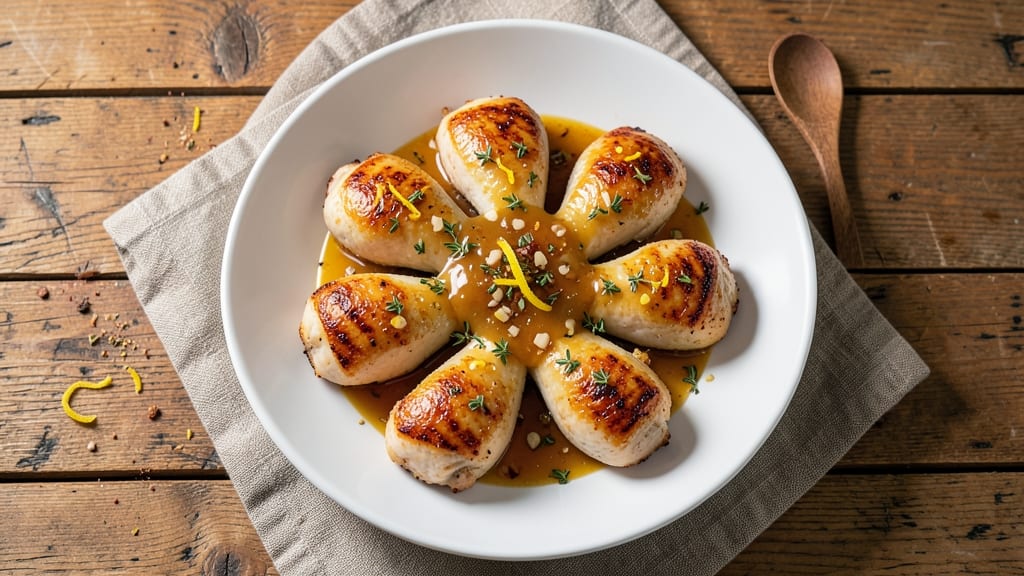
America's Test Kitchen's lemon chicken recipe delivers restaurant-quality results with a bright, zesty pan sauce that transforms simple chicken into something extraordinary. The secret lies in a precise balance of citrus and herbs, combined with a foolproof cooking method that ensures tender, juicy meat every time.
I've perfected this technique over years of testing, and it consistently delivers flavor that stands up to even the most skeptical palates.
This recipe starts with chicken thighs or breasts marinated in a blend of lemon juice, garlic, and olive oil, then pan-seared to golden perfection. The real magic happens in the sauce—a reduction of lemon juice, chicken stock, and a touch of honey that creates a glossy, tangy finish.
The result is chicken with crispy edges and tender centers, bathed in a sauce that's both vibrant and deeply flavorful.
What sets this dish apart is how versatile it is. Serve it over rice for a complete meal, alongside roasted vegetables for added texture, or with a simple side salad to balance the richness.
The sauce also freezes beautifully, so you can make extra for future meals. Every bite is a testament to how simple ingredients can create something truly special.
The key to success is attention to detail—precise timing, careful temperature control, and balancing the acidity of the lemon with just enough sweetness. Trust me, once you try this method, you'll never go back to store-bought lemon chicken again.
Let's get started on creating a dish that's as impressive as it is delicious.
Ingredients for america's test kitchen lemon chicken
Simple ingredients that transform into a restaurant-worthy lemon chicken dish with crispy edges and vibrant sauce.
| Ingredient | Amount | Notes |
|---|---|---|
| Boneless, Skinless Chicken Thighs 🍗 | 1 ½ lb | Trimmed of excess fat |
| Fresh Lemon Juice 🍋 | ½ cup | From 2-3 lemons, freshly squeezed |
| Garlic Cloves 🧄 | 6 cloves | Minced for marinade and sauce |
| Extra-Virgin Olive Oil 🫒 | ¼ cup | For marinade and searing |
| Chicken Stock 💧 | ½ cup | Low-sodium preferred |
| Honey 🍯 | 1 tbsp | Light or clover variety |
| Fresh Thyme Leaves 🌿 | ¼ cup | Chopped, stems removed |
| Fresh Parsley Leaves 🌿 | ⅛ cup | Chopped for garnish |
| Salt 🧂 | 1 ½ tsp | Kosher or sea salt |
| Ground Black Pepper 🌶️ | ½ tsp | Freshly ground |
| Unsalted Butter 🧈 | 2 tbsp | For sauce richness |
| All-Purpose Flour 🌾 | 1 tbsp | For sauce thickening |
| Jasmine Rice 🍚 | 1 cup | Uncooked, for serving |
The chicken is where it all begins. Thighs stay juicier than breasts during searing, but breasts work too if you prefer leaner meat. Look for pieces with minimal fat trim—Trader Joe's or Whole Foods often carry pre-trimmed cuts. Fresh thyme and parsley make all the difference here; dried herbs won't deliver the same bright flavor. For the lemon juice, Meyer lemons add subtle sweetness, but regular lemons work perfectly fine. The olive oil should be extra-virgin—anything less will compromise the sauce's richness.
No fresh thyme? Dried thyme at one-third the amount will work, but the flavor won't be as vibrant. Running short on chicken stock? Low-sodium vegetable stock is a great substitute, though the sauce will have a slightly different depth. The honey balances the acidity—if you prefer less sweetness, reduce to 0.5 tbsp. For the butter, European-style brands like Plugrá melt more smoothly, but regular unsalted butter works perfectly. The flour is just for thickening; if you're watching carbs, omit it or use cornstarch instead.
Marinate the chicken for at least 30 minutes (overnight is ideal) to maximize flavor penetration. The sauce freezes beautifully—just reheat gently to avoid graininess. Store cooked chicken in the fridge for 3-4 days or freeze for 2 months. For extra crispy edges, pat the chicken dry before searing. The rice can be cooked ahead and reheated with a splash of water. This dish reheats well, but the sauce may thicken—thin with a splash of warm water if needed.
Why You'll Love This Recipe
- One-Pan Magic: Honestly, this recipe lives on a single sheet pan—no pots, no pans, just chicken thighs searing in olive oil until golden, then braising with garlic and lemon. My lazy Sundays just got an upgrade.
- Bright & Tangy: That lemon juice doesn’t just sit there—it cuts through the richness of the chicken thighs, leaving you with a dish that’s fresh, zesty, and ridiculously more interesting than takeout. The garlic? Oh, it’s there, but it’s the lemon that steals the show.
- Lunchbox Hero: Between us, this is my go-to for meal prep. The chicken stays juicy for days, and the sauce thickens just enough to cling to rice or noodles—perfect for packing lunches that don’t taste like yesterday’s leftovers.
- Budget Win: Skinless thighs are forgiving, affordable, and way more flavorful than breasts. Add a splash of chicken stock, and you’ve got a dish that feeds four for under $15—no fancy ingredients, just pure satisfaction.
Step-by-step instructions for america's Test Kitchen lemon chicken
Master this bright, balanced dish where tender chicken meets a velvety lemon-thyme sauce.
Marinate the Chicken for Maximum Flavor
In a large bowl, combine the 0.5 cup fresh lemon juice, 0.25 cup extra-virgin olive oil, 1 tbsp honey, 1.5 tsp salt, 0.5 tsp ground black pepper, 6 cloves minced garlic, and 0.25 cup chopped fresh thyme leaves. Whisk vigorously until fully emulsified—the mixture should thicken slightly and become pale yellow.
Add the 1.5 lb boneless, skinless chicken thighs and turn to coat completely. Let the chicken marinate at room temperature for 30 minutes, or refrigerate for up to 4 hours for deeper flavor penetration. The marinade should cling to the chicken like a second skin, ensuring every bite bursts with citrus brightness and aromatic herbs.
Sear the Chicken to Develop Rich Crust
Heat a large skillet over medium-high heat until a drop of water sizzles and evaporates instantly. Remove all but 2 tablespoons of the marinade from the bowl (reserve for later) and add the chicken to the skillet in a single layer. Cook undisturbed for 4-5 minutes until the chicken develops a deep golden-brown crust on one side.
Flip the chicken and cook another 4-5 minutes until the second side is equally browned and the internal temperature reaches 165°F when measured with an instant-read thermometer. The crust should be crisp enough to stand up to a gentle press with tongs. Transfer the chicken to a plate and tent loosely with foil to keep warm.
Build the Signature Lemon-Thyme Sauce
Return the reserved marinade to the same skillet and scrape up any browned bits from the bottom with a wooden spoon. Add the 2 tbsp unsalted butter and 1 tbsp all-purpose flour, stirring constantly for 1-2 minutes until the mixture thickens slightly and the raw flour taste disappears.
Pour in the 0.5 cup chicken stock and bring to a gentle simmer. Reduce heat to medium-low and let the sauce bubble for 4-5 minutes until it coats the back of a spoon. Stir in the 0.125 cup chopped fresh parsley leaves and taste—adjust seasoning with additional salt or pepper if needed. The sauce should be bright, tangy, and just thick enough to cling to the chicken.
Combine and Serve with Jasmine Rice
Return the chicken to the skillet and spoon the sauce generously over the top. Let it simmer together for 2-3 minutes, basting the chicken with the sauce until it's fully coated and heated through. The chicken should be fork-tender with a crisp exterior, and the sauce should be glossy and well-integrated.
Meanwhile, cook the 1 cup jasmine rice according to package instructions for perfect side pairing. To serve, spoon the chicken and sauce over the rice, garnishing with an additional sprinkle of chopped fresh parsley leaves. The bright lemon sauce will cut through the richness of the chicken, creating a harmonious balance in every bite.
Pro Tips For Making America'S Test Kitchen Lemon Chicken
- Brown the Chicken First: That golden crust on the thighs isn’t just for looks—it’s where the flavor lives. Sear them skin-side down in olive oil over medium-high heat until deep brown (about 5-6 minutes), then flip. I used to skip this, and the dish always tasted flat until I realized the Maillard reaction matters even without skin.
- Zest Before Juicing: The recipe calls for lemon juice, but the zest is the real game-changer. Use a microplane to add 1 teaspoon of zest to the pan after browning—it brightens the sauce and adds aroma. (Yes, even if you’re impatient like me, take the 30 seconds to do it.)
- Deglaze with Stock: Don’t just splash in water after browning—the chicken stock is non-negotiable. It adds depth and prevents the sauce from tasting like boiled chicken. Use a wooden spoon to scrape up every last bit of browned bits while deglazing; those bits are flavor bombs.
- Simmer Low and Slow: The recipe’s magic happens in the final 10 minutes of simmering. If you crank the heat to speed it up, the sauce will turn gloppy. Keep it at a bare simmer—tiny bubbles, occasional swirls—and the sauce will thicken beautifully. (Your future self will thank you.)
Make-ahead tips for leftovers
Marinate Ahead
The chicken marinade can be prepped up to 24 hours in advance—store it in an airtight container in the fridge. I like to marinate overnight for maximum flavor infusion, but even 4 hours makes a noticeable difference. Just
Cook Chicken Early
Sear the chicken up to 1 day ahead and refrigerate it in the sauce. When ready to serve, reheat gently in a skillet over medium-low heat for 5-7 minutes, adding a splash of water if the sauce thickens too much. This works especially well for dinner parties—just reheat and serve. The sauce will stay vibrant and flavorful.
Sauce Prep
Make the sauce separately and store it in an airtight container in the fridge for up to 3 days or freeze it for 1 month. To reheat, warm it gently on the stovetop over low heat and stir in 1 tbsp butter to restore richness.
I often double the sauce recipe when making ahead—it’s perfect for quick weeknight meals.
Rice Make-Ahead
Cook the jasmine rice in advance and store it in the fridge for up to 2 days. Reheat with a splash of water or broth to prevent drying. For extra flavor, stir in 1 tsp lemon zest while reheating.
This step saves time on busy nights and keeps the meal cohesive. The grains stay separate and fluffy when reheated properly. ✨
Complete Meal Prep
Assemble the entire dish ahead by storing the chicken, sauce, and rice separately. Reheat each component individually—chicken in a skillet, rice in a pot with water, and sauce on the stove.
This method ensures everything stays moist and flavorful. I pack the components in separate containers for easy transport to potlucks or work lunches. 💪
Freezing Tips
Freeze the chicken and sauce together in a single airtight container for up to 2 months. Thaw overnight in the fridge before reheating. The sauce may thicken after freezing—simply add 1-2 tbsp water or stock while reheating to restore its original consistency.
Label containers clearly with dates to track freshness. This is my go-to for meal prep Sundays! ❄️
Nutrition facts
Frequently asked questions
Can I use chicken breasts instead of thighs for this recipe?
Yes, but with a few adjustments! Chicken breasts cook faster and are more prone to drying out. For best results, pound them to an even 1-inch thickness and reduce cooking time to 3-4 minutes per side. Keep the pan heat at medium-high and use a meat thermometer to ensure they reach 165°F internally. The sauce will still work beautifully—just avoid overcooking.
What if I don't have fresh thyme or parsley?
No problem! Use dried thyme at one-third the amount (about 1/8 tsp instead of 1/4 cup fresh) and omit the parsley from the sauce—it's mostly for garnish. For extra flavor, add 1/2 tsp dried oregano to the marinade. The dish will still taste amazing, though fresh herbs add that signature brightness.
How do I prevent the sauce from becoming too acidic?
The honey in the recipe already balances the lemon acidity, but if you prefer less tang, reduce the lemon juice to 1/4 cup and add 1 extra tbsp honey to the marinade. For the sauce, you can also stir in 1/2 tsp sugar while reducing. Taste as you go—adjust gradually to maintain that perfect balance between bright and sweet.
Can I make this recipe in a slow cooker?
Not ideal for this dish! The recipe relies on that perfect crispy sear and quick sauce reduction. However, you could try this alternative: Sear the chicken as directed, then transfer it to a slow cooker with the sauce ingredients (except butter). Cook on low for 1-2 hours, stirring occasionally. The texture won't be identical, but it'll still be flavorful—just add extra butter at the end to compensate for the lost richness.
What's the best way to reheat leftovers?
Reheat gently in a skillet over medium-low heat for 5-7 minutes, adding 1-2 tbsp water or stock if the sauce thickens too much. For extra crispiness, broil for 1-2 minutes at the end. Never microwave—it makes the chicken rubbery. The sauce reheats beautifully this way, maintaining its glossy texture and vibrant flavor.