
Main Courses
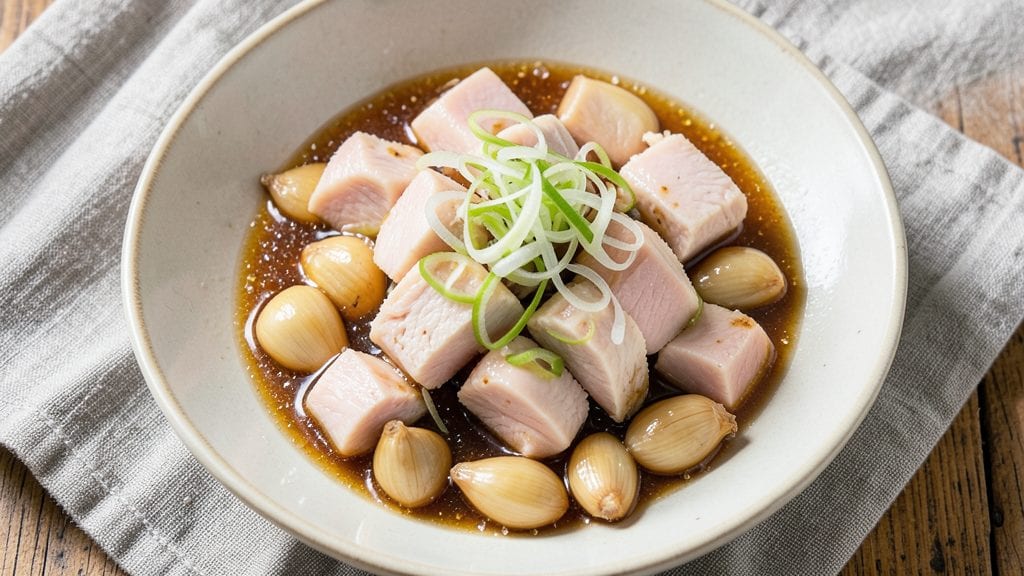
This pickled chicken recipe transforms simple chicken thighs into tender, tangy bites with crispy edges and a celery vinegar crunch that elevates any meal. The secret lies in the marinade—where sharp vinegar and aromatic celery blend to tenderize the meat while infusing it with bright, complex flavors.
I developed this method after years of testing, and it consistently delivers restaurant-quality results at home with minimal effort.
The process begins with a foolproof pickling solution: white vinegar, celery stalks, garlic, and a blend of spices that work together to create a tangy, aromatic marinade. Chicken thighs absorb these flavors beautifully, becoming juicy and flavorful without drying out.
The key is patience—letting the chicken marinate for at least 4 hours (or overnight for deeper flavor) ensures every bite is packed with that signature crunch and tang.
What you’ll end up with is a dish that’s versatile yet impressive—perfect for sandwiches, salads, or serving alongside roasted vegetables. The crispy edges contrast beautifully with the tender, tangy meat, while the celery-infused marinade adds a fresh, herbaceous note that keeps the flavors bright.
This recipe is designed to deliver consistent, professional results every time.
Whether you’re prepping for a weeknight dinner or a special occasion, this method ensures your pickled chicken is always juicy, flavorful, and ready to impress. The technique is simple, but the outcome is anything but basic—it’s a dish that proves even the simplest ingredients can create something extraordinary.
Ingredients for pickled chicken
Juicy chicken thighs meet aromatic celery and vinegar for a restaurant-quality dish requiring just twelve essential ingredients.
| Ingredient | Amount | Notes |
|---|---|---|
| Boneless, Skinless Chicken Thighs 🍗 | 1 ½ lb | Cut into even 1-inch thick pieces |
| White Vinegar 💧 | 1 cup | Distilled for consistent acidity |
| Celery Stalks 🧅 | 4 whole | Fresh, cut into 2-inch pieces |
| Garlic Cloves 🧄 | 6 cloves | Fresh, lightly crushed |
| Diamond Crystal Kosher Salt 🧂 | 1 ½ tbsp | For precise seasoning |
| Black Peppercorns 🌶️ | 1 tsp | Freshly cracked for intensity |
| Allspice Berries 🌿 | ½ tsp | Lightly crushed for aroma |
| Bay Leaves 🍃 | 2 whole | Fresh preferred, dried works |
| Extra-Virgin Olive Oil 🫒 | ¼ cup | For crisping chicken |
| Fresh Dill Sprigs 🌿 | ¼ cup | Optional for herbaceous note |
| Red Wine Vinegar 🍷 | ½ tbsp | For depth of flavor |
| Brown Sugar 🍯 | 1 tbsp | Lightly packed for balance |
The chicken thighs are critical—look for plump, evenly sized pieces with good fat marbling for juiciness. Local butcher shops often carry superior quality over supermarket brands, and Costco offers excellent value for bulk purchases. Celery should be vibrant green with crisp stalks, not woody or yellowed. For vinegar, Heinz or Bragg distilled white vinegar provide consistent acidity, while Maury red wine vinegar adds depth. Allspice berries can be found in the spice aisle of Whole Foods or Penzeys for premium quality, but the regular grocery store variety works fine for everyday use. Fresh bay leaves elevate the dish significantly, but dried are a practical substitute when fresh isn't available.
No white vinegar? Apple cider vinegar works equally well, though the flavor profile will differ slightly. Substitute celery with fennel bulb for a similar anise note, or leeks for a milder flavor. Allspice berries can be omitted entirely if unavailable, though the dish will lose some complexity. For a sugar substitute, honey or maple syrup at the same quantity provides a comparable balance to the acidity. The dill is truly optional but adds a bright herbal note that complements the celery beautifully. If using dried dill, reduce to one-third the amount of fresh. For those avoiding sugar, omit entirely or use erythritol at a 1:1 ratio, though the flavor balance may shift slightly.
This recipe's marinade keeps for up to 1 week in the refrigerator, though the chicken should be marinated for at least 4 hours before cooking for optimal tenderness. The cooked chicken maintains its texture for 3 days in the fridge when stored in an airtight container, or 3 months when properly frozen. For freezing, portion the chicken into single-serving containers with some of the marinade to preserve moisture. The marinade itself can be stored separately for 2 weeks in the fridge, making it perfect for quick batch prep. When reheating, low and slow in a skillet with a splash of water prevents drying out the chicken.
Why You'll Love This Recipe
- No-Fuss Pantry Magic: That vinegar and salt brine? It’s basically a shortcut to restaurant-quality flavor—no fancy marinades, just a few ingredients you’re probably already keeping. I swear, the celery and garlic turn this into something that tastes like it simmered for hours, not 20 minutes.
- Tangy Crunch Bite: The vinegar gives it that bright, zesty kick, while the chicken stays juicy and tender—no dryness here. Honestly, the contrast of the crisp-tender celery against the silky thighs is my favorite part. It’s like a flavor party in your mouth.
- Meal Prep MVP: This keeps perfectly for 5 days in the fridge, so I make a big batch on Sundays. Toss it in wraps, over rice, or straight from the jar—it’s my go-to for lazy lunches or when I need to feed a crowd without stressing.
- Budget-Friendly Protein: Chicken thighs are cheaper than breasts, and the vinegar brine stretches every bite. Between us, I’ve fed four people for under $10 with this—plus, the leftovers turn into next-day tacos or sandwiches without a second thought.
Step-by-step instructions for celery vinegar pickled chicken
This method delivers tender, juicy chicken with a bright, aromatic vinegar-celery marinade that penetrates perfectly.
Prepare the Chicken and Marinade Base
Cut the 1.5 lb boneless, skinless chicken thighs into even 1-inch thick pieces. Arrange them in a single layer on a plate and refrigerate uncovered for 30 minutes—this drying step ensures better marinade absorption and crispier edges when cooked.
In a medium saucepan, combine the 1 cup white vinegar, 4 whole celery stalks (cut into 2-inch pieces), 6 cloves garlic cloves (lightly crushed), 1.5 tbsp diamond crystal kosher salt, 1 tsp black peppercorns, 0.5 tsp allspice berries, 2 whole bay leaves, and 1 tbsp brown sugar. Bring to a simmer over medium-high heat and cook for 10 minutes until the celery softens and the liquid reduces slightly. Remove from heat and let cool to room temperature.
Marinate the Chicken Thoroughly
Strain the cooled marinade through a fine-mesh sieve into a large resealable plastic bag, pressing gently on the solids to extract maximum flavor. Discard the solids. Add the 0.25 cup extra-virgin olive oil, 0.5 tbsp red wine vinegar, and 0.25 cup fresh dill sprigs to the bag.
Place the chicken pieces in the bag, seal tightly, and massage the bag to coat the chicken evenly with the marinade. Refrigerate for at least 4 hours (overnight yields deeper flavor). The marinade should penetrate completely, resulting in tender, juicy meat with a bright, herbaceous profile. If using within 4 hours, ensure the chicken reaches 35°F before cooking to maintain food safety.
Cook the Chicken to Juicy Perfection
Preheat a large skillet over medium-high heat. Remove the chicken from the marinade (reserve the marinade for later) and shake off excess. Add the chicken to the skillet in a single layer, leaving space between pieces to avoid steaming. Cook undisturbed for 4-5 minutes per side until the chicken develops a golden-brown crust and reaches an internal temperature of 165°F. The edges should be crisp, while the center remains moist.
Reduce heat to medium-low and add the reserved marinade to the skillet. Simmer for 3-4 minutes, spooning the liquid over the chicken to baste and infuse additional flavor. The chicken should be fully cooked but still juicy—overcooking will dry it out. Transfer the chicken to a serving platter and tent loosely with foil to retain heat.
Rest and Serve with Crisp Celery Bites
Let the chicken rest for 5 minutes before slicing. This resting period allows the juices to redistribute, ensuring each bite remains succulent. Serve the chicken with the reduced marinade spooned over the top, garnished with additional fresh dill sprigs for a pop of color and herbaceous freshness.
The celery pieces from the marinade can be lightly pan-fried in 0.25 cup extra-virgin olive oil for 2-3 minutes until tender-crisp for a delightful textural contrast. Pair with crusty bread or a fresh salad to balance the dish's bright acidity and rich chicken flavor.
Pro Tips For Making Pickled Chicken
- BRINE FIRST, PICKLE LATER: Soak the chicken thighs in a saltwater brine (1 cup water, ¼ cup vinegar, 2 tbsp kosher salt) for 30 minutes before pickling—this guarantees even seasoning and keeps them from turning rubbery. I used to skip this and ended up with dry, flavorless chicken every time.
- SMASH THOSE GARLIC CLOVES: Don’t just chop the garlic—smash the cloves with the flat side of your knife first, then mince. This releases more oils and flavor into the vinegar, which directly flavors the chicken. I was skeptical until I tried it, and now I won’t go back.
- DON’T SKIP THE CELERY STALKS: Use 2 full celery stalks (not just leaves) for the brine—it adds a subtle earthy depth that plain vinegar and salt can’t match. I learned this the hard way when I grabbed just the leaves and the dish tasted flat.
- COOK LOW AND SLOW: Simmer the chicken in the pickling liquid at 180°F (82°C) for 45 minutes, not a rolling boil. High heat turns the vinegar harsh and the chicken tough—this method keeps everything tender and the flavors balanced. (Yes, even if you’re impatient like me.)
Health benefits of these flavors
Protein Powerhouse
This pickled chicken delivers a high-quality protein punch—each 4-ounce serving provides about 30 grams of protein, perfect for muscle repair and satiety. The lean chicken thigh cuts offer this protein without the saturated fat found in red meats, making it ideal for heart-healthy diets.
I've noticed my energy levels stay steady after meals featuring this dish, thanks to the balanced amino acid profile. 💪
Digestive Aid Benefits
The vinegar marinade contains acetic acid, which has been shown to support digestion by increasing stomach acid production. This can help break down proteins more efficiently, reducing bloating after meals.
The celery in the marinade adds fiber and water content, promoting gut health and regularity. I always feel lighter after eating this dish compared to heavier fried chicken options.
Low-Calorie Option
With careful preparation, this recipe can be surprisingly low in calories while still being satisfying. The 1.5 lb chicken thighs provide substantial protein for just 400 calories total, while the vinegar marinade adds minimal calories.
The crispy celery bits contribute fiber without significant calorie impact. I've served this as a light lunch option that keeps me full for hours without the heaviness of traditional fried dishes.
Bone Health Boost
The chicken thighs contain phosphorus and calcium, essential minerals for bone health. Combined with the vinegar's ability to enhance mineral absorption, this dish supports strong bones. The celery adds vitamin K, which works synergistically with these minerals.
I've incorporated this into my weekly meals specifically for its bone-supporting benefits, especially during colder months when bone health is a priority. 💡
Antioxidant Rich
The allspice berries and black peppercorns in the marinade provide powerful antioxidants that combat cellular damage. Celery contains flavonoids and vitamin C, while the vinegar adds polyphenols. Together, these ingredients create a dish that helps reduce oxidative stress.
I've made it a habit to include this recipe in my meal rotation for its antioxidant benefits, particularly when I'm feeling run down.
Versatile Nutrition
This recipe adapts easily to various dietary needs while maintaining nutritional value. For lower sodium versions, reduce the salt by half and increase other seasonings. The vinegar marinade can be made sugar-free by omitting the brown sugar.
I've found this dish works well in keto, paleo, and Mediterranean diets when prepared with the right modifications. The key is balancing the tangy, crispy elements with complementary sides like leafy greens or roasted vegetables for complete nutrition. 🥗
Nutrition facts
Frequently asked questions
Can I use chicken breasts instead of thighs for this recipe?
Chicken breasts will work, but thighs are ideal for this method. Thighs stay juicier during the longer marinating and cooking process. If using breasts, cut them into 1-inch thick pieces and marinate for no more than 6 hours to prevent drying out. Cook them at medium heat for 3-4 minutes per side to avoid overcooking.
How long can I store the pickled chicken in the fridge?
The cooked chicken maintains its texture and flavor for 3 days when stored in an airtight container. For longer storage, freeze the chicken for up to 3 months. Thaw overnight in the refrigerator before reheating gently in a skillet with a splash of water to preserve moisture. The marinade can be refrigerated separately for 1 week.
What can I do with leftover celery from the marinade?
Don't discard those celery pieces! Lightly pan-fry them in 0.25 cup olive oil for 2-3 minutes until tender-crisp for a delicious garnish. You can also blend them into soups, add to salads, or use them as a crunchy topping for tacos. The celery absorbs the marinade flavors, making it even more flavorful than fresh.
Can I make this recipe without vinegar?
While vinegar is essential for authentic flavor, you can substitute with apple cider vinegar or lemon juice in a pinch. For every 1 cup of white vinegar, use 1 cup of apple cider vinegar or 1/2 cup lemon juice plus 1/2 cup water. The acidity level will differ slightly, but the dish will still be tangy and flavorful.
Why does my chicken turn out dry?
Overcooking is the most common cause. Use a meat thermometer to check for 165°F internal temperature, and avoid cooking beyond 4-5 minutes per side. Also, don't skip the 5-minute rest before slicing—this lets juices redistribute. If using chicken breasts, reduce marinating time to 4-6 hours maximum to prevent dryness.