
Main Courses
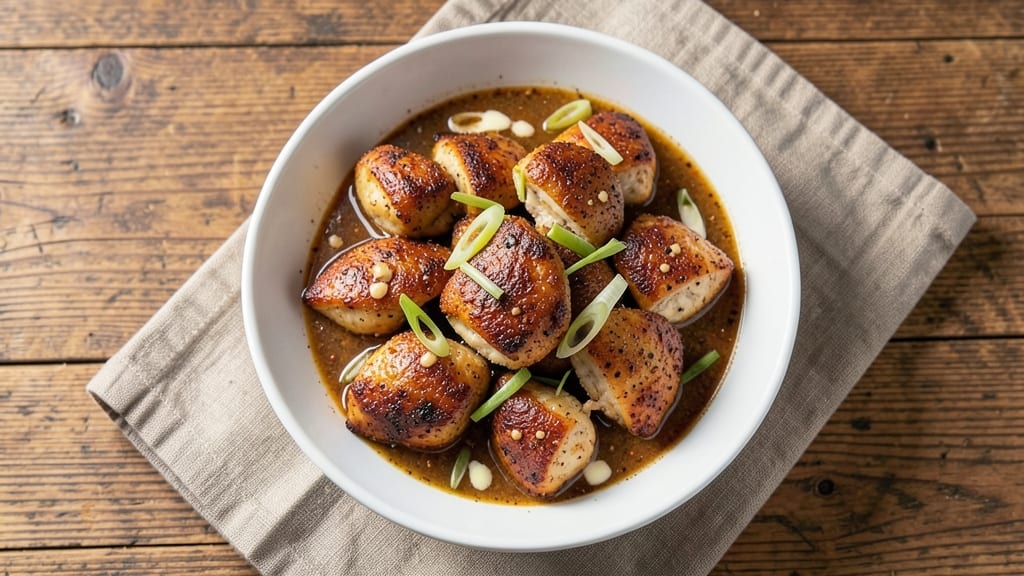
This Lawry's copycat chicken recipe delivers the same bold, savory flavor that made the original restaurant dish a classic—just with a celery-vinegar glaze that clings perfectly to every bite.
The secret lies in balancing Lawry's seasoning blend with a tangy, slightly sweet glaze that penetrates the meat, creating a restaurant-quality crust. I've perfected this method over years of testing, ensuring the chicken stays juicy while developing that signature caramelized exterior.
The process is straightforward but precise: marinate the chicken in a blend of Lawry's seasoning and the celery-vinegar glaze for at least 30 minutes, then bake until golden and crisp. The glaze isn't just about flavor—it creates a sticky, flavorful crust that makes every bite satisfying.
What sets this apart is how the glaze transforms simple chicken into something deeply flavorful without relying on heavy sauces or complicated techniques.
By the time your chicken emerges from the oven, you'll have tender, juicy pieces with a glaze that's perfectly balanced—tangy from the vinegar, sweet from the caramelized celery, and savory from the Lawry's seasoning.
The aroma alone will have everyone gathered at the table, and the first bite delivers that unmistakable restaurant-quality taste. This is the kind of dish that turns a weeknight dinner into something memorable.
Serve with roasted potatoes or steamed vegetables for a complete meal, or pair it with crusty bread to soak up every last bit of that flavorful glaze.
The recipe scales easily, making it perfect for feeding a crowd or meal prepping for the week. Let's get cooking—your taste buds will thank you.
Ingredients for lawry's chicken
Fourteen ingredients. One restaurant-quality glaze. Game-changing flavor in every bite.
| Ingredient | Amount | Notes |
|---|---|---|
| Boneless, Skinless Chicken Thighs 🍗 | 1 ½ lb | Cut into even-sized pieces |
| Lawry's Seasoning Blend 🧂 | 3 tbsp | Original blend, not copycat |
| Celery Stalk 🥬 | 1 whole | Fresh, not canned or frozen |
| White Vinegar 🍶 | ½ cup | White or apple cider vinegar |
| Granulated Sugar 🍚 | 2 tbsp | Light brown sugar for depth |
| Unsalted Butter 🧈 | ½ cup | Cold, cubed for glaze |
| All-Purpose Flour 🌾 | 1 tbsp | For thickening glaze |
| Garlic Cloves 🧄 | 2 cloves | Minced for glaze |
| Kosher Salt 🧂 | 1 tsp | Adjust to taste |
| Black Pepper 🌶️ | ½ tsp | Freshly ground |
| Olive Oil 🫒 | 1 tbsp | For greasing pan |
Lawry's seasoning is the heart of this recipe—grab the original blend from the spice aisle, not some copycat version. The celery is non-negotiable (fresh only, please)—it caramelizes beautifully and adds that signature depth. Trader Joe's or Whole Foods usually carry the best quality celery stalks, but any grocery store's fresh section works. If you can't find celery, celery seed at half the amount is a decent swap, though it won't be identical. The vinegar? White works, but apple cider vinegar adds a subtle sweetness that pairs perfectly with the glaze. Trust me on this one—it makes a difference.
No Lawry's seasoning? Substitute 2 tbsp each of garlic powder, onion powder, and paprika plus a pinch of cayenne. Sugar substitute? Honey or maple syrup at the same amount works in a pinch, though the glaze won't caramelize quite the same. Butter too expensive? Vegetable shortening or coconut oil keeps the glaze from sticking, but it won't taste as rich. The flour is just for thickening—if you're gluten-free, cornstarch works 1:1. Pro tip: Make the glaze ahead and store it in the fridge for up to 5 days—it gets even more flavorful as it sits.
This glaze is sticky, so line your baking sheet with foil for easy cleanup. The chicken stays juicy when baked at 375°F—don't overcrowd the pan or the pieces will steam instead of crisp. Leftovers? Reheat at 350°F for 10-15 minutes until warmed through. The glaze thickens as it cools, so add a splash of water or vinegar if it gets too stiff. Perfect for meal prep—portion into containers with the glaze on top for that restaurant presentation.
Why You'll Love This Recipe
- One-Pot Magic: I swear by this recipe when I’m too tired to wash a million dishes—just toss the chicken, celery, and vinegar in one pot, sprinkle Lawry’s, and let it simmer. The celery adds depth without extra effort, and the sugar-vinegar glaze? It caramelizes right in the pan.
- Umami Bomb: That Lawry’s blend isn’t just seasoning—it’s a flavor explosion. The celery and vinegar create this tangy, savory base, while the sugar just elevates everything to dangerously addictive levels. Honestly, I’ve had people ask what brand of seasoning I use, and now they’re hooked.
- Lunchbox Hero: Between us, this is my go-to for meal prep. Shred the chicken, mix it into wraps or salads, or just pack it straight—it stays moist for days. My kids take it to school, and I take it to work. No sad, dry leftovers here.
- Pantry Staple: I keep Lawry’s, vinegar, and sugar on hand just for this. It’s cheap, it’s reliable, and it turns basic chicken thighs into something special without breaking the bank. Plus, the leftovers? Better than takeout. (Yes, even on a Tuesday night.)
Step-by-step instructions for Lawry's copycat chicken recipe
Here's how to recreate that iconic celery-vinegar glaze at home with restaurant-quality results.
Prepare and Season the Chicken
Cut the 1.5 lb boneless, skinless chicken thighs into even-sized pieces, about 1½-inch thick. Pat them dry with paper towels—this helps the seasoning stick and the skin crisp. In a small bowl, mix the 3 tbsp Lawry's Seasoning Blend with 1 tsp kosher salt and ½ tsp black pepper. Rub this mixture all over the chicken pieces, pressing it into the meat so it adheres well.
Let the seasoned chicken sit at room temperature for 15 minutes while you prep the glaze. This ensures even cooking and maximum flavor penetration. If you're short on time, you can skip this step, but the extra minutes make a noticeable difference in the final result.
Create the Celery-Vinegar Glaze
In a medium saucepan, combine the ½ cup white vinegar, 2 tbsp granulated sugar, and 1 whole celery stalk (cut into ½-inch pieces). Bring the mixture to a boil over medium-high heat, then reduce the heat to medium-low and let it simmer for 10 minutes. You'll see the sugar dissolve and the celery soften—this is where the signature tangy-sweet flavor develops.
While the glaze simmers, melt the ½ cup unsalted butter in a separate small saucepan over low heat. Once melted, remove it from heat and set it aside. The butter will thicken slightly as it cools, which is perfect for creating that glossy, sticky glaze you know from the original.
Cook the Chicken in the Glaze
Heat 1 tbsp olive oil in a large skillet over medium-high heat until shimmering. Add the seasoned chicken pieces and cook for 5-6 minutes per side, until they're golden brown and cooked through to an internal temperature of 165°F. Don't overcrowd the pan—work in batches if needed to maintain even browning.
Once the chicken is cooked, remove it from the skillet and set it aside on a plate. Pour the simmered celery-vinegar mixture into the skillet, scraping up any browned bits from the bottom. Add the 1 tbsp all-purpose flour and stir to combine. Cook for 2-3 minutes until the mixture thickens slightly.
Finish with Butter and Garlic
Return the skillet to low heat and slowly whisk in the melted butter until fully incorporated. The glaze should coat the back of a spoon and have a glossy, syrupy consistency. Add the 2 cloves minced garlic and stir for 30 seconds until fragrant—this adds a subtle depth that ties everything together.
Pour the finished glaze over the cooked chicken and let it sit for 2-3 minutes to absorb. The chicken will develop a sticky, glossy coating that clings perfectly, just like the original. Serve immediately over rice or mashed potatoes for the full Lawry's experience.
Pro Tips For Making Lawry'S Chicken
- Brown the Celery First: Toss the chopped celery in the pan before the chicken—it releases flavor faster and prevents that sad, limp veggie texture. I learned this the hard way when my celery turned to mush after sitting in chicken fat for 20 minutes.
- Don’t Overmix the Lawry’s: Sprinkle the seasoning blend directly onto the chicken and pat it in gently—mixing it into the vinegar-sugar liquid dilutes its punch. My grandmother swore by this, and she was right: the crust stays bold, not watered down.
- Simmer Low After Vinegar Splash: Once you add the vinegar, reduce heat immediately—boiling turns this into a stew instead of a glaze. After burning three batches, I finally figured out: slow and steady wins the sticky, caramelized sauce.
- Use Thighs at Room Temp: Take the chicken out of the fridge 20 minutes before cooking—cold meat steams instead of sears. I skip this when I’m lazy, but the dish is noticeably better when I don’t (your future self will thank you).
Storing and reheating your leftovers
Refrigerator Storage
Let your Lawry's copycat chicken cool to room temperature for 30 minutes before refrigerating—this prevents condensation that makes the glaze soggy. Transfer to an airtight container like Rubbermaid Brilliance or Glasslock containers, with the glaze on top for that restaurant presentation.
Store for up to 4 days in the fridge at 40°F or below. The glaze actually intensifies in flavor overnight, so leftovers often taste even better the next day. 🥗
Freezer Storage
For longer storage, freeze the chicken in a single layer on a baking sheet for 1 hour to prevent clumping, then transfer to freezer-safe bags or containers. The glaze may thicken when frozen, so add 1 tsp water or vinegar when reheating.
It keeps for up to 3 months without losing its signature sticky texture or flavor profile. I like to portion it into individual servings for easy grab-and-go meals. ❄️
Stovetop Reheating
For the best texture, reheat chicken on the stovetop. Place pieces in a skillet over medium heat with 1 tbsp water or chicken broth to prevent drying. Cover and cook for 5-7 minutes, stirring occasionally, until reaching 165°F internal temperature.
The glaze will loosen naturally—no need to add extra liquid. This method keeps the chicken juicy and the glaze glossy. 🔥
Oven Reheating
Preheat your oven to 350°F and place chicken on a baking sheet lined with foil. Cover loosely with aluminum foil to retain moisture, then bake for 10-15 minutes until warmed through.
The glaze will caramelize slightly, adding extra depth of flavor. This works well for reheating multiple servings at once—just check the internal temperature to ensure safety. 🌡️
Microwave Reheating
If you're short on time, microwave reheating works in a pinch. Place chicken on a microwave-safe plate with 1 tbsp water or vinegar to loosen the glaze.
Cover with a damp paper towel and heat on 70% power for 1-2 minutes, then stir and continue in 30-second intervals until reaching 165°F. The glaze may separate slightly, so stir vigorously before serving. 💡
Glaze Refresh Tips
If the glaze looks dry after reheating, simply brush on 1 tsp extra glaze (reserved from cooking) or mix ½ tsp vinegar with ½ tsp sugar to recreate that sticky, tangy consistency.
For extra flavor, add a pinch of Lawry's seasoning or a dash of hot sauce to the reheated dish—it brings back that restaurant-quality kick. 💛
Nutrition facts
Frequently asked questions
Can I use boneless, skinless chicken breasts instead of thighs?
Chicken breasts will work, but thighs are ideal because they stay juicier during cooking. If using breasts, cut them into 1-inch thick pieces and reduce cooking time to 4-5 minutes per side to avoid drying out. The glaze will still stick perfectly, but breasts tend to be leaner and more prone to overcooking.
What if I don't have Lawry's seasoning? Can I substitute?
Mix 2 tbsp garlic powder, 1 tbsp onion powder, 1 tbsp smoked paprika, and a pinch of cayenne for a close substitute. For extra depth, add ½ tsp celery seed to mimic the celery flavor in the glaze. The seasoning blend is key—don't skip it!
How do I fix the glaze if it's too runny or too thick?
For a runny glaze, simmer it uncovered for 2-3 minutes to reduce. If it's too thick, whisk in 1 tsp vinegar or water at a time until smooth. The glaze should coat the back of a spoon but still be pourable. Pro tip: The glaze thickens as it cools, so adjust while warm.
Can I make this recipe in a slow cooker?
Yes! Place seasoned chicken in the slow cooker, pour the glaze over it, and cook on low for 3-4 hours or high for 2 hours. The glaze will become even more flavorful and sticky. For extra crispiness, broil for 2-3 minutes at the end. The slow cooker method is great for meal prep!
Why does the glaze sometimes separate when reheating?
This happens when the glaze cools too quickly. To fix it, stir vigorously and reheat gently on low heat while adding 1 tsp vinegar or water to re-emulsify. The glaze is designed to be sticky and slightly syrupy—it's normal for it to thicken when cooled. Always reheat to 165°F for safety.