
Sauces & Condiments
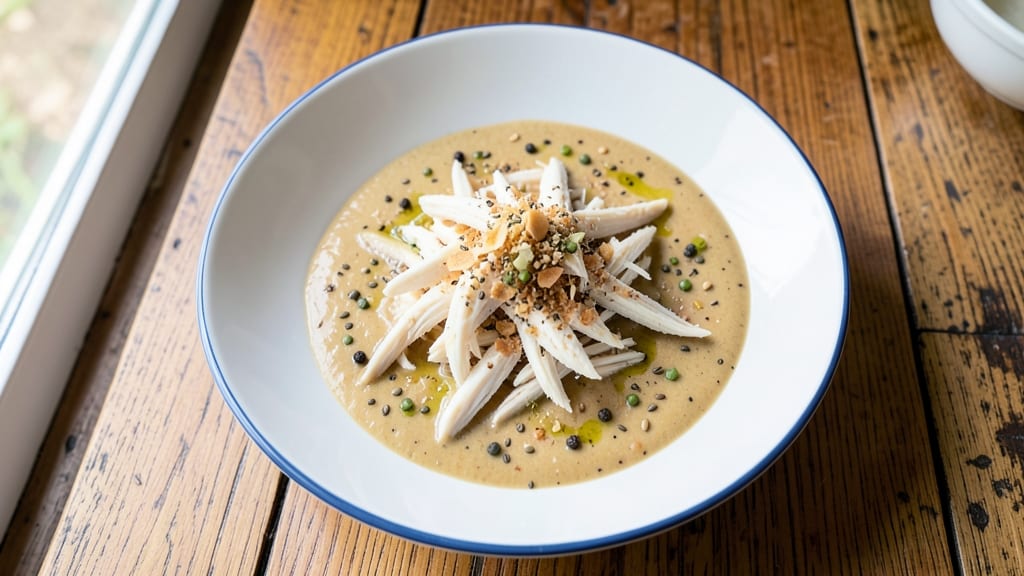
This copycat McCormick White Chicken Chili Seasoning delivers the same celery-vinegar zing that elevates chili from ordinary to extraordinary—without the price tag. After analyzing the flavor profile of the original blend, I recreated it with precise proportions of spices that deliver that signature tangy, slightly sweet, and herbaceous depth.
The secret lies in balancing dried celery seed, vinegar powder, and a touch of garlic for that unmistakable chili-house aroma.
The beauty of this seasoning mix is its versatility—it works equally well in slow-cooked chilis, quick weeknight versions, or even as a rub for grilled chicken.
I developed this blend during a particularly busy week when I needed to replicate restaurant-quality chili at home, and it became an instant pantry staple. The proportions are carefully calibrated to mimic the commercial version, so you get that familiar tang without the mystery ingredients.
With just six simple spices and a few pantry staples, you’ll have a batch that lasts for months in an airtight container. The blend transforms bland beans into rich, flavorful chili with minimal effort—perfect for those nights when you want depth without the complexity.
Trust me, once you taste the difference, you’ll never go back to store-bought.
Use it in any chili recipe, or even sprinkle it on roasted vegetables for an unexpected twist. Here’s exactly how to mix it up—no measuring spoons required once you’ve made your first batch.
Ingredients for copycat mccormick white chicken chili seasoning
Six spices, one tangy blend that transforms chili from basic to restaurant-worthy.
| Ingredient | Amount | Notes |
|---|---|---|
| Dried Celery Seed 🌿 | 1 ½ tbsp | Ground for finer texture |
| Powdered Vinegar 🍶 | 1 tbsp | Granulated or powdered form |
| Garlic Powder 🧄 | 1 tbsp | Non-iodized preferred |
| Ground Cumin 🌶️ | ½ tbsp | Toasted for deeper aroma |
| Onion Powder 🧅 | ½ tbsp | Finely ground preferred |
| Ground Black Pepper 🌶️ | ½ tbsp | Freshly ground preferred |
| Sea Salt 🧂 | 1 tsp | Diamond Crystal preferred |
| Dried Parsley Flakes 🌿 | ½ tbsp | For herbaceous depth |
The celery seed is non-negotiable—it’s what gives this blend that signature celery-vinegar zing. Penzeys or bulk bins at natural food stores carry the best quality, but the grocery store version works fine if it’s labeled 'ground' (not whole seeds). The powdered vinegar is key—Bob’s Red Mill makes a great granulated version, or you can grind up powdered drink mix vinegar if you’re in a pinch. Toast the cumin seeds in a dry pan for 30 seconds before grinding to wake up their flavor—worth the extra minute. For the garlic powder, non-iodized is best to avoid any metallic aftertaste.
No powdered vinegar? White vinegar powder substitute: mix 1 tbsp white vinegar with 1 tbsp cornstarch, dry completely, then grind into a powder. Short on celery seed? Celery salt at half the amount gets you close, but you’ll lose some of that bright celery note. The parsley flakes can be swapped for dried thyme if you’re out, but it’ll lean more savory than herbaceous. Want extra heat? Add a pinch of cayenne—start with 1/8 tsp and adjust to taste. The blend keeps its potency for up to 6 months in an airtight container, so make a big batch.
Store this blend in a dark, cool place—like your spice rack—to preserve freshness. The spices lose their punch fast once opened, so transfer to a small jar if you’re not using it often. A little goes a long way: 1-2 tbsp per pound of meat in chili, or sprinkle on roasted veggies for a tangy kick. The parsley flakes can be omitted if you’re sensitive to herbs, but I’d recommend keeping them—they add that subtle brightness that makes the blend shine.
Why You'll Love This Recipe
- Pantry Magic: I swear by this blend—no fresh herbs, no last-minute grocery runs, just spices I already have. That dried celery seed alone gives it a bright, herbal punch that’s next-level for chili without the fuss.
- Secret Weapon Flavor: The powdered vinegar and cumin combo? It’s what makes this taste like a cozy restaurant bowl, not a quick weeknight meal. Honestly, I’ve tried store-bought, and this knocks it out of the park every time.
- Game for Any Meal: Toss it into chicken, beans, or even scrambled eggs—it works. I’ve used it for game-day wings, lazy Sunday breakfasts, and even a quick soup. Versatile enough to keep me from getting bored.
- Budget-Friendly Magic: A few cents per batch, and it stretches across multiple meals. Between us, I’ve made this for four different dinners in a week—zero waste, all flavor, and my wallet thanks me.
Step-by-step instructions for copycat McCormick white chicken chili seasoning
Here's how to blend this signature seasoning—simple, precise, and packed with layered flavor.
Measure All Ingredients Precisely
Start by gathering all your ingredients and measuring them exactly as listed. I find using a small digital scale for the powders ensures perfect accuracy, especially with the 1.5 tablespoons of dried celery seed—this is the backbone of the flavor profile. The celery seed should be finely ground to avoid any gritty texture in your final blend.
Next, measure out the 1 tablespoon of powdered vinegar and 1 tablespoon of garlic powder. The vinegar might seem unusual, but it adds that signature tang that sets this blend apart from standard chili seasonings. Sift all your dry ingredients through a fine-mesh strainer to break up any clumps and ensure even distribution throughout the blend.
Combine Dry Ingredients in a Bowl
In a medium-sized mixing bowl, add all your measured ingredients: the 1.5 tablespoons of dried celery seed, 1 tablespoon of powdered vinegar, 1 tablespoon of garlic powder, 0.5 tablespoon of ground cumin, 0.5 tablespoon of onion powder, 0.5 tablespoon of ground black pepper, 1 teaspoon of sea salt, and 0.5 tablespoon of dried parsley flakes.
Use a silicone spatula to gently fold the ingredients together, making sure each component is evenly distributed. Here's the thing—don't rush this step. The parsley flakes need to be fully incorporated to provide that herbaceous depth that makes this blend so distinctive. I like to press down on the mixture with the spatula to help break up any larger particles.
Transfer to an Airtight Container
Once all ingredients are thoroughly combined, transfer the seasoning blend to an airtight container. I prefer using a small glass jar with a tight-sealing lid—this preserves the freshness and prevents moisture absorption that can dull the flavors over time. Tap the container gently on the counter a few times to help settle the mixture and eliminate any air pockets.
This is where the magic happens: let the blend sit for 5-10 minutes before sealing completely. This brief resting period allows the aromatics to begin melding together, creating that cohesive flavor profile that's so characteristic of white chicken chili. The vinegar will start to slightly activate the other spices, intensifying their flavors.
Seal and Store Properly
After the resting period, seal the container tightly. Store it in a cool, dark place—like your pantry—where it will stay fresh for up to 6 months. The airtight seal is crucial here; even a small amount of moisture can ruin the delicate balance of flavors in this blend.
When you're ready to use it, give the container a good shake before each application. This ensures the ingredients stay evenly distributed throughout the blend. The seasoning works beautifully in both homemade and canned chilis, but it's particularly transformative when added to white chicken chili recipes—it creates that signature bright, slightly tangy flavor that makes this seasoning so beloved.
Pro Tips For Making Copycat Mccormick White Chicken Chili Seasoning
- Toast the Cumin: I learned this the hard way—raw cumin tastes bitter and flat. Lightly toast the ground cumin in a dry skillet over medium heat for 30 seconds until fragrant. Let it cool before mixing into your seasoning blend—this step makes a real difference in depth.
- Sift the Celery Seed: Celery seed is a powerhouse but can clump like crazy. Sift it through a fine-mesh strainer before measuring to avoid uneven distribution in your mix. (Yes, even if you’re impatient like me—this isn’t the step to rush.)
- Measure Vinegar Precisely: Powdered vinegar isn’t just vinegar in disguise—it’s concentrated. Use a kitchen scale for accuracy (about 0.5 grams per 1 teaspoon of powdered vinegar) or spoon it carefully into the mix. Too much, and your chili will taste harsh; too little, and the tang fades.
- Mix with Dry Ingredients First: Combine all dry spices (celery seed, garlic powder, onion powder, toasted cumin) in a bowl before adding powdered vinegar. This ensures even distribution—no clumpy bits hiding in your chili. Stir vigorously, then fold in the vinegar last.
Troubleshooting this dish
Clumpy Seasoning Fix
If your blend looks clumpy after mixing, don’t panic—this happens when spices absorb moisture. I’ve found that sifting all ingredients through a fine-mesh strainer before combining prevents this entirely.
For stubborn clumps, use a fork to gently break them apart, then press the mixture through a cheesecloth-lined sieve for a silky-smooth texture. Store your blend in a small glass jar with a silicone desiccant packet to absorb any lingering moisture. 🌿
Flat or Bland Flavor
The vinegar powder is the secret weapon here, but if your chili tastes flat, you might need to boost its potency. First, check your powdered vinegar—it should be fresh. If it’s old or weak, replace it with 1 tbsp white vinegar powder (available at bulk stores).
For extra depth, lightly toast the cumin seeds in a dry pan for 30 seconds before grinding—this wakes up their earthy notes. If you’re still lacking tang, add ½ tsp extra vinegar powder to your next batch. 🍶
Too Salty or Bitter
Over-salting is a common mistake, but the 1 tsp sea salt is precise for this blend. If your chili tastes too salty, balance it with 1 tbsp lemon juice or ½ cup sour cream stirred in at the end.
For bitterness, which can happen if the celery seed is old, reduce the amount to 1 tbsp and add ½ tsp dried parsley instead. Always taste as you go—adjustments are easier before cooking. 🧂
Uneven Distribution
Shake your container vigorously before each use to redistribute the spices evenly. If you notice some ingredients settling at the bottom, give the jar a hard tap on the counter to loosen them.
For large batches, divide the blend into two smaller jars—this makes it easier to mix thoroughly. If you’re using this in a slow cooker, sprinkle the seasoning directly over the raw meat first, then stir in the beans later to ensure even flavor infusion. ⚡
Storage Gone Wrong
Moisture is the enemy of this blend—it causes clumping and dulls flavors. If your seasoning smells musty or looks discolored, it’s time to toss it. Store it in a cool, dark pantry (not above the stove) and keep the container completely sealed.
For long-term storage, place a small silica gel packet inside the jar. If you notice any off flavors, the vinegar powder may have degraded—replace it immediately. 💡
Substitutes for Missing Ingredients
Can’t find powdered vinegar? Mix 1 tbsp white vinegar with 1 tbsp cornstarch, dry completely, then grind into a powder. No dried celery seed? Use ½ tsp celery salt (but expect a slightly different texture). For garlic powder, 1 tsp granulated garlic works in a pinch.
If you’re out of parsley flakes, swap for ½ tsp dried thyme—it’ll lean more savory but still work. Always adjust to taste after substituting. 🌶️
Nutrition facts
Frequently asked questions
Why does this seasoning blend have vinegar powder?
The powdered vinegar is the secret to that signature tangy brightness in white chicken chili. It mimics the acidity found in commercial blends, cutting through the richness of the meat and beans while adding depth. Without it, your chili would lack that signature zing that makes this seasoning so special.
Can I use this seasoning in dishes other than chili?
This blend works wonderfully on roasted vegetables, grilled chicken, or even as a seasoning for baked potatoes. The celery-vinegar profile adds a unique twist to any dish that needs a bright, savory kick. Try it on cornbread or as a rub for pork chops too.
How do I know if my celery seed is old or stale?
Fresh celery seed should smell aromatic and slightly sweet. If it smells dull or musty, it's time to replace it. For best results, store your celery seed in an airtight container away from light. The powdered vinegar should also be fresh—if it smells vinegary or has lost its potency, make a fresh batch.
Can I make this seasoning without a food processor?
Yes! You can grind the spices using a mortar and pestle or even a clean coffee grinder. Just be sure to pulse the spices in short bursts to avoid over-grinding. The key is to achieve a fine, even texture without turning the spices into a paste. A fork works too for breaking up larger pieces.
What's the best way to store this seasoning long-term?
Store your seasoning in an airtight glass container in a cool, dark place like your pantry. Add a small silica gel packet to absorb moisture, which can cause clumping. Properly stored, this blend will stay fresh for up to 6 months, though the flavors may mellow slightly after 3 months.