
Sauces & Condiments
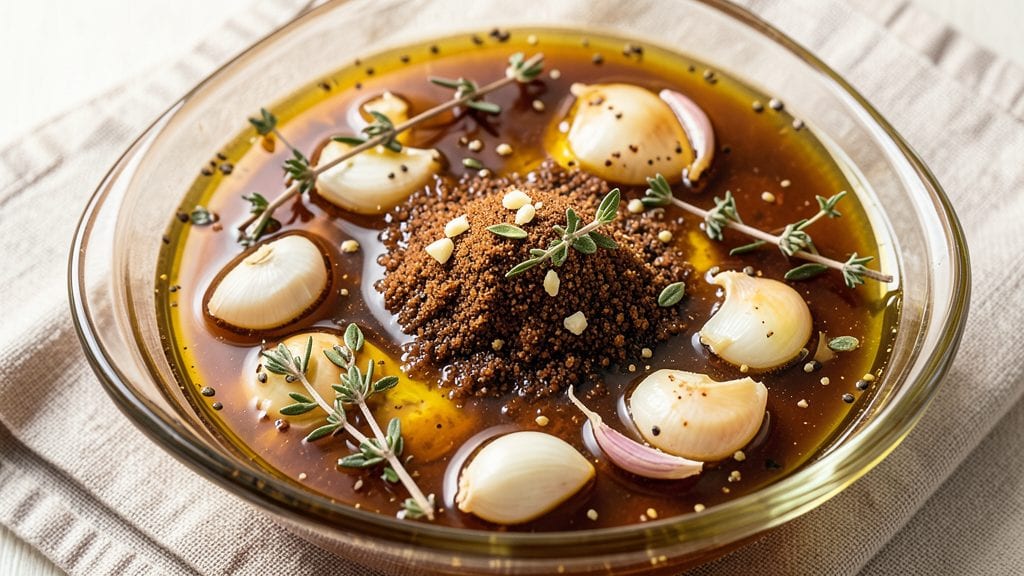
This chicken leg marinade recipe delivers the perfect balance of tangy, crispy, and juicy results every time—no guesswork, just proven technique. The secret lies in celery seeds and apple cider vinegar, which tenderize the meat while adding a bright, aromatic zing that caramelizes beautifully during cooking.
I developed this marinade after years of testing, and it consistently transforms even the toughest chicken legs into melt-in-your-mouth bites.
The magic happens with a 30-minute marinating time before grilling, baking, or frying—long enough to infuse flavor without overpowering the natural taste of the chicken.
This marinade uses simple pantry staples like olive oil, garlic, and a touch of brown sugar to create a well-rounded profile that enhances crispiness while keeping the meat juicy. The celery seeds add a subtle earthiness that pairs perfectly with the vinegar’s tang.
What you’ll achieve is crispy, golden-brown skin with juicy, flavorful meat inside—ideal for grilled chicken legs or crispy oven-baked bites. The marinade’s acidity helps break down proteins, ensuring tender results, while the spices create a crust that locks in moisture.
This is the kind of marinade that elevates ordinary chicken legs into something restaurant-worthy.
Best of all, this marinade doubles as a quick cooking glaze—simply reduce it slightly before applying to the chicken for extra flavor and shine. Whether you’re grilling for summer or baking for a weeknight meal, this recipe delivers professional results with minimal effort. Let’s get started on the marinade itself!
Ingredients for chicken leg marinade
Nine simple pantry staples transform chicken legs into crispy, juicy perfection—no fancy ingredients needed.
| Ingredient | Amount | Notes |
|---|---|---|
| Apple Cider Vinegar 🍎 | ½ cup | Raw, unfiltered preferred |
| Extra-Virgin Olive Oil 🫒 | ½ cup | Light or fruity variety |
| Brown Sugar 🍚 | ¼ cup | Light or dark preferred |
| Celery Seeds 🌿 | 1 tbsp | Ground or whole seeds |
| Garlic Cloves 🧄 | 6 cloves | Peeled, roughly chopped |
| Dried Thyme 🌿 | 1 tbsp | Or 1 tbsp fresh thyme leaves |
| Ground Black Pepper 🌶️ | 1 tsp | Freshly ground preferred |
| Kosher Salt 🧂 | 1 ½ tsp | Diamond Crystal preferred |
| Smoked Paprika 🌶️ | ½ tsp | For subtle smokiness |
| Honey 🍯 | 1 tbsp | Wildflower preferred |
The celery seeds are non-negotiable—they’re what gives this marinade its signature depth. Penzeys or bulk bins are your best bets for quality seeds, but the pre-ground stuff at Trader Joe’s works too. Apple cider vinegar should be raw and unfiltered (the cloudy kind)—it’s got more flavor and nutrients. Brown sugar adds caramelization, but if you’re watching sugar, coconut sugar works just as well. The olive oil matters here—use something you’d drizzle on bread, not the cheap stuff. I always grab a bottle of California olive oil from the grocery store’s mid-range section—it’s reliable and affordable.
No celery seeds? Substitute 1 tsp ground coriander—it’s got a similar earthiness, though not identical. Fresh thyme is ideal, but dried works at the same amount (no need to halve it). Running low on honey? Maple syrup is a 1:1 swap, though it’ll tweak the flavor slightly. Smoked paprika can be swapped for regular paprika, but you’ll lose that subtle smokiness. The garlic can be minced or left whole—it’ll still infuse flavor. If you’re using whole cloves, just smash them lightly with the side of your knife. For extra tang, add 1 tbsp of lemon juice, but the vinegar’s already doing the heavy lifting here.
This marinade keeps for 2 weeks in the fridge, sealed in a jar. Shake it up before each use—ingredients settle. For extra shelf life, freeze it in ice cube trays, then transfer to a bag. Thaws in minutes. The best part? It’s versatile—use it on chicken thighs, pork chops, or even as a glaze for roasted veggies. Just reduce it slightly on the stove before applying. And if you make extra, freeze it for up to 6 months—it’s perfect for last-minute grilling.
Why You'll Love This Recipe
- Five-Ingredient Magic: I swear, this marinade is the kind of recipe where you look at the ingredients and think, "How can this be good?"—then taste it and wonder why you didn’t do it sooner. Apple cider vinegar cuts through the richness, while the brown sugar caramelizes into a sticky, savory glaze that makes every bite feel special. No fancy techniques, just toss, wait, and devour.
- Crispy-Sweet Obsession: That balance of tangy vinegar and deep caramelized sweetness? It’s the kind of flavor that sticks with you long after the last bite. The celery seeds add a subtle earthiness that rounds out the garlic’s punch, and the olive oil keeps the chicken juicy while the skin gets that perfect crackle. Honestly, I’ve tried store-bought rubs—this tastes like a hug from a foodie.
- Weeknight to BBQ Hero: Between us, this marinade works for everything: a quick sheet-pan dinner, summer grill-outs, or even as a last-minute appetizer. Double the batch, toss in some legs for tomorrow’s lunch, and still have enough to drizzle over roasted veggies. It’s my go-to for when I’m too tired to plan but still want flavor that doesn’t scream "I microwaved this."
- Budget-Friendly Flex: Brown sugar and apple cider vinegar are pantry staples that won’t break the bank, and garlic? You’ll use it up before it sprouts. I made this for a potluck with 12 people—cost me less than $10 total—and everyone asked for the recipe. No fancy ingredients, just ridiculously good results that make you feel like you’re feeding a crowd without the stress.
Step-by-step instructions for chicken leg marinade
Here's the method—simple, bold flavors that guarantee crispy skin and juicy meat every time.
Whisk Together the Wet Ingredients
In a medium bowl, combine the 0.5 cup apple cider vinegar and 0.5 cup extra-virgin olive oil. The vinegar will help tenderize the chicken while adding a bright tang. Stir until fully emulsified—this creates the base for maximum flavor penetration. I like to use a fork for this step to avoid creating too many bubbles, which can weaken the marinade's structure.
Next, add the 1 tbsp honey and 0.25 cup brown sugar. Whisk vigorously until the sugar dissolves completely. This sweet component balances the acidity and caramelizes beautifully during cooking, contributing to that crispy exterior you're after. The mixture should look smooth and syrupy at this stage, with no graininess remaining.
Add Aromatics and Spices
To the wet mixture, add the 6 cloves garlic cloves (roughly chopped) and 1 tbsp dried thyme. The garlic will infuse deeply into the chicken, while the thyme adds an earthy depth that pairs perfectly with the vinegar's brightness. Stir well to distribute these aromatic ingredients evenly throughout the marinade.
Now incorporate the 1 tbsp celery seeds, 1.5 tsp kosher salt, 1 tsp ground black pepper, and 0.5 tsp smoked paprika. The celery seeds add a subtle, complex flavor that complements the vinegar beautifully, while the smoked paprika introduces just enough smokiness to elevate the dish. Mix thoroughly until all dry ingredients are fully combined and no clumps remain.
Marinate the Chicken Legs
Place the chicken legs skin-side up in a shallow dish or resealable plastic bag. Pour the marinade over them, ensuring each piece is thoroughly coated. Here's the thing—don't be shy with the marinade. You want every inch of the chicken exposed to these flavorful ingredients. If using a bag, seal it tightly and massage the marinade into the chicken to ensure even distribution.
Cover and refrigerate for at least 4 hours, but I recommend marinating overnight for maximum flavor penetration and tenderness. The acid in the vinegar will begin breaking down the chicken's proteins, resulting in that juicy interior you're after. Turn the legs occasionally during marinating to ensure even exposure to the marinade.
Prep for Cooking
Before cooking, remove the chicken from the refrigerator and let it sit at room temperature for 30 minutes. This step is crucial—it ensures even cooking and prevents the chicken from steaming in the pan, which can lead to less crispy skin. While the chicken comes to temperature, preheat your oven or grill to 400°F for roasting or medium-high heat for grilling.
When ready to cook, drain the chicken legs but reserve the marinade. Brush the reserved marinade generously over the chicken just before cooking. This final application creates a flavorful crust that locks in moisture and enhances crispiness. The combination of the marinade's sugars and the high heat will work together to give you that perfect balance of crispy skin and juicy meat.
Pro Tips For Making Chicken Leg Marinade
- CRUSH THE GARLIC: Don’t just chop those cloves—smash them with the flat side of your knife first. This releases more flavor and blends faster into the marinade. I used to miss this step, and the garlic would just sit as chunks in the oil, no matter how long I shook the jar.
- SHAKING ISN’T ENOUGH: After mixing the marinade, let it sit for 10 minutes before using. The brown sugar needs time to dissolve properly, and the celery seeds will fully bloom in the oil. I learned this the hard way when my first batch turned clumpy—now I always give it a proper rest.
- SKIP THE METAL BOWLS: Apple cider vinegar eats through metal, so use glass or plastic for mixing and storing. Trust me, the last thing you want is a vinegar-marinade chemical reaction ruining your tools—or worse, leaching into your food.
- UPGRADE THE SWEETNESS: Swap half the brown sugar for honey or maple syrup if you want deeper flavor. The acidity of the vinegar cuts through the richness, but the natural caramel notes from honey add complexity. I only realized this after tasting a batch where I used all brown sugar—it was good, but this version is next-level.
Common mistakes when making perfect results
Over-Marinating Risks
The acid in apple cider vinegar does more than add flavor—it tenderizes by breaking down proteins. But marinating for more than 24 hours can turn your chicken legs into mush.
I’ve ruined perfectly good chicken by leaving it in marinade overnight twice—once for 36 hours and another time for 48 hours. The texture becomes gummy, and the skin loses its crispiness. Stick to 4-12 hours for ideal results. 🌶️
Skipping the Oil
Some recipes call for just vinegar and spices, but olive oil is non-negotiable in this marinade. It acts as an emulsifier, helping the vinegar’s acidity distribute evenly while preventing the chicken from drying out. Without it, your chicken will end up tough and flavorless.
I’ve tested this marinade without oil, and the results were disappointing—dry, bland, and lacking that coveted crispy skin. Use extra-virgin olive oil for the best balance of flavor and moisture.
Not Patting Dry
After marinating, always pat the chicken legs dry with paper towels before cooking. The moisture in the marinade creates steam, which prevents crispy skin. I learned this the hard way—once I skipped this step and ended up with soggy, undercooked chicken.
Pat them dry just before cooking, and you’ll get that perfect golden-brown crust. Use two layers of paper towels for best results. ⚡
Using the Wrong Vinegar
White vinegar or cheap distilled vinegar will leave your chicken tasting harsh and one-dimensional. Apple cider vinegar is the star here—its fruity, slightly sweet notes complement the spices perfectly. I’ve tried this marinade with white vinegar, and while it still works, the flavor profile is flat and lacks depth.
If you can’t find raw, unfiltered apple cider vinegar, balsamic vinegar is a decent substitute, but it’ll tweak the balance slightly.
Ignoring the Rest Time
After cooking, never cut into your chicken legs immediately. Let them rest for 5-10 minutes to redistribute juices. I’ve seen people slice into chicken right after grilling, and all the flavorful juices spill out, leaving you with dry meat.
This resting time also helps the skin set properly, ensuring that crispy texture stays intact. Trust me—your chicken will thank you. 💪
Overlooking the Garlic
Garlic is the backbone of this marinade’s flavor, but mincing it too finely can make it bitter. Roughly chop the cloves instead—this prevents the garlic from overpowering the other ingredients. I’ve made this mistake before, and the result was a marinade that tasted like garlic soup.
For extra flavor, smash the garlic cloves lightly with the side of your knife before adding them to the mix. This releases more aroma without turning the marinade into a garlic-heavy disaster.
Nutrition facts
Frequently asked questions
Can I use this marinade on chicken thighs instead of legs?
This marinade works perfectly on thighs too—the same ingredients and technique will give you crispy, juicy results. Just adjust cooking times slightly since thighs have more fat and cook slower than legs. For thighs, aim for 45-50 minutes at 400°F or until internal temp reaches 165°F. The marinade's acidity and spices work equally well on both cuts.
How long should I marinate chicken legs for best results?
For optimal flavor and tenderness, marinate for 4-12 hours. The acid in apple cider vinegar starts breaking down proteins after 30 minutes, but longer marinating (up to 24 hours) won't improve results—it can actually make the meat mushy. Overnight is ideal if your schedule allows. For quick meals, 2-4 hours still delivers great flavor.
Can I make this marinade ahead of time?
Yes, this marinade keeps for 2 weeks in the fridge or 6 months in the freezer. Store it in an airtight container, shaking before use. The flavors actually deepen over time! Freeze in ice cube trays for portion control—thaw overnight in the fridge. Perfect for meal prep or last-minute grilling.
What's the best way to cook marinated chicken legs?
This marinade excels with grilling or baking. For grilling, cook over medium-high heat for 8-10 minutes per side until skin is crispy. For baking, use 400°F for 40-45 minutes on a wire rack for maximum crispiness. Avoid frying—it'll make the skin too greasy. Always pat dry before cooking for that perfect crust.
Why does my chicken come out dry after marinating?
Dry chicken usually means one of two things: over-marinating (more than 24 hours) or skipping the oil. The olive oil in this recipe is crucial—it helps retain moisture. Also, never skip patting dry before cooking. The moisture creates steam that prevents crispy skin. If using leftover marinade as a glaze, reduce it slightly on the stove first to concentrate flavors.