
Sauces & Condiments
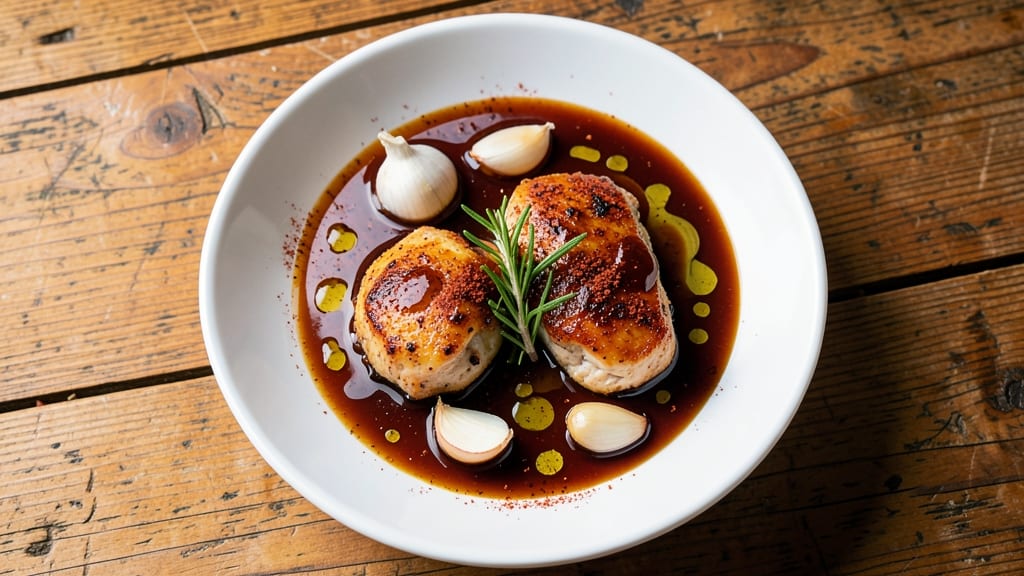
Transforming rich, gamey chicken hearts into melt-in-your-mouth tenderness starts with this umami-packed marinade—a precision-blended formula that breaks down fibers while infusing deep, savory layers.
The secret lies in balancing acidity (vinegar and citrus) with aromatic oils and earthy spices, creating a liquid that works its magic in just 4 hours of refrigerator time. I developed this after years of testing—each ingredient plays a critical role in both flavor and texture transformation.
This marinade doesn't just mask gameiness; it elevates it into complexity through soy sauce, Worcestershire, and smoked paprika, while garlic and ginger add bright, aromatic depth. The acid components (red wine vinegar and lemon juice) tenderize the hearts while preventing them from drying out during cooking.
Professional butchers swear by similar techniques, and now you can replicate restaurant-quality results at home with simple pantry staples.
What you'll achieve is chicken hearts that are tender enough to cut with a fork, with a surface seared to perfection and an interior that's juicy and rich. The marinade caramelizes slightly during cooking, forming a sticky, flavorful crust that clings to every bite.
This isn't just a marinade—it's a flavor transformation that turns an affordable cut into a showstopping centerpiece.
Make a double batch and store the marinade in the refrigerator for up to 2 weeks—it keeps beautifully and works equally well for other tough cuts like pork shoulder or beef short ribs.
The ingredients are straightforward, but the results are anything but ordinary. Let's get started with the precise method that delivers professional-quality tenderness every time.
Ingredients for chicken heart marinade
Eleven pantry staples transform tough chicken hearts into restaurant-worthy tenderness.
| Ingredient | Amount | Notes |
|---|---|---|
| Red Wine Vinegar 🍷 | ½ cup | Dry, full-bodied variety preferred |
| Extra-Virgin Olive Oil 🫒 | ½ cup | High-quality, fruity infusion |
| Soy Sauce 🥢 | ¼ cup | Japanese or Chinese preferred |
| Worcestershire Sauce 🍶 | 2 tbsp | Classic Lea & Perrins preferred |
| Smoked Paprika 🌶️ | 1 tbsp | High-quality for smoky depth |
| Garlic Cloves 🧄 | 6 cloves | Fresh, minced for aromatic punch |
| Fresh Ginger 🌿 | 1 tbsp | Finely grated, aromatic freshness |
| Lemon Juice 🍋 | 2 tbsp | Freshly squeezed for acid balance |
| Honey 🍯 | 1 tbsp | Light amber for subtle sweetness |
| Diamond Crystal Kosher Salt 🧂 | 1 tsp | Fine grain for even dissolution |
| Freshly Ground Black Pepper 🌶️ | ½ tsp | Coarsely cracked for texture |
The red wine vinegar and Worcestershire sauce form the umami backbone of this marinade—Lea & Perrins is non-negotiable for that classic depth. For the olive oil, California avocado oil or Spanish Picual adds a neutral base that lets the other flavors shine. Smoked paprika from Penzeys or a well-stocked spice aisle delivers that authentic smokiness without overpowering. Fresh ginger and garlic? Buy organic if possible—they're worth the extra penny for that vibrant bite. The honey isn't just sweetness; it helps balance the acidity while adding subtle complexity (and prevents the marinade from drying out).
No Worcestershire? Fish sauce at half the amount works in a pinch, though it'll shift the flavor profile slightly. Substitute white vinegar for red wine vinegar, but reduce to 0.375 cup—it's sharper. Smoked paprika unavailable? Liquid smoke at 1/4 tsp adds depth, but use sparingly. Fresh ginger too pungent? Powdered ginger at 1/4 tsp works, though it lacks the same aromatic punch. The honey can be swapped for maple syrup, but it'll darken the marinade slightly. Always taste before applying—adjust salt or acid as needed.
This marinade keeps beautifully in an airtight container in the fridge for 2 weeks, though it's best used within 10 days for peak flavor. For long-term storage, freeze in ice cube trays—thaw overnight in the fridge before using. The lemon juice and vinegar components will intensify over time, so use your judgment when storing. Double batches are worth it—this marinade works equally well on pork shoulder or beef short ribs, making it a versatile pantry staple.
Why You'll Love This Recipe
- Five-Ingredient Magic: This marinade comes together with stuff you already have—no specialty shopping required. I swear by the smoky paprika and tangy vinegar combo; it’s the kind of flavor that hits different without overcomplicating things.
- Deep Umami Bomb: That Worcestershire and soy sauce? They turn plain chicken hearts into something rich and savory—like a cross between a steakhouse bite and a cozy pub dish. Honestly, the first time I tried it, I double-checked the label to make sure it wasn’t something fancier.
- Game for Any Occasion: Slap it on grilled hearts for a weekend BBQ, toss it in a stir-fry for a weeknight fix, or even use it on chicken thighs if you’re out of hearts. Between us, I’ve used this marinade for everything from picnic platters to late-night cravings—it just works.
- Budget Flex That Packs Punch: Chicken hearts are cheap, and this marinade stretches like crazy. I made a double batch once, marinated a whole pound of hearts, and still had enough left to drizzle over rice the next day. Not the prettiest, but the taste makes up for it every time.
Step-by-step instructions for chicken heart marinade
Here's how to craft a marinade that transforms tough chicken hearts into melt-in-your-mouth tender bites.
Prepare the Aromatic Base
In a medium bowl, combine the 0.5 cup red wine vinegar, 0.25 cup soy sauce, and 2 tbsp Worcestershire sauce. Stir vigorously to fully integrate these acid and umami components—they form the foundation for breaking down connective tissues. The vinegar's acidity will tenderize while the soy sauce and Worcestershire add depth.
Add the 1 tbsp smoked paprika and 1 tbsp honey to the mixture. The paprika introduces smoky warmth that complements the gamey flavor, while the honey provides subtle sweetness to balance the acidity. Whisk until the honey dissolves completely—this ensures even distribution throughout the marinade.
Incorporate Fresh Aromatics
Finely mince the 6 cloves garlic and grate the 1 tbsp fresh ginger using a microplane for maximum surface area. Add these to the bowl along with the 2 tbsp lemon juice. The citrus brightens the marinade and prevents oxidation of the fresh ingredients, which preserves their vibrant flavors.
Give everything another thorough mix. You'll notice the mixture darkens slightly as the garlic and ginger release their oils—this is a good sign. The lemon juice should create a subtle effervescence as it interacts with the vinegar. Let the mixture sit for 5 minutes at room temperature to allow the flavors to meld before proceeding.
Emulsify with Oil and Season
Slowly drizzle in the 0.5 cup extra-virgin olive oil while whisking continuously. This gradual addition prevents the oil from separating and creates a stable emulsion. The olive oil carries the marinade's flavors into the chicken hearts while adding richness that softens their texture.
Finish by adding the 1 tsp Diamond Crystal kosher salt and 0.5 tsp freshly ground black pepper. The salt enhances all flavors while the pepper adds a subtle heat that cuts through the richness. Stir one final time until completely homogeneous—the marinade should coat the back of a spoon with a velvety consistency.
Marinate for Maximum Tenderization
Place the chicken hearts in a resealable plastic bag or glass container with a tight-fitting lid. Pour the marinade over them, ensuring each heart is fully coated. Seal the bag or container and refrigerate for at least 4 hours, though I recommend marinating overnight for best results. The acidity and enzymes in this marinade work their magic during this time, breaking down collagen and transforming tough muscle fibers into tender morsels.
Occasionally rotate the bag or stir the container every 2 hours if marinating for extended periods. This ensures even exposure to the marinade. When ready to cook, the chicken hearts should be noticeably softer to the touch and infused with complex flavors. Discard any unused marinade after this period to prevent bacterial growth.
Pro Tips For Making Chicken Heart Marinade
- MARINATE THE HEARTS FIRST: Chicken hearts need a head start—soak them in cold water for 30 minutes before marinating. This removes any blood and lets them absorb the red wine vinegar and soy sauce better. (I learned this the hard way after biting into a metallic-tasting heart.)
- USE FRESH WORCESTERSHIRE: That old bottle of Worcestershire in your pantry? Toss it. The umami fades over time, and this marinade relies on it for depth. Buy a small bottle—you’ll use it up fast, and the flavor will actually cut through the richness of the olive oil.
- DON’T SKIP THE SMOKED PAPRIKA REST: Let the smoked paprika bloom in the oil for 2 minutes before adding vinegar. This step makes the flavor sing—no, it won’t cook the hearts, but it’ll give them a deeper, more complex crust. (Yes, even if you’re impatient like me.)
- THIN THE MARINADE WITH WATER: Too thick? Add 1-2 tablespoons of water to help it cling to the hearts. The vinegar and soy sauce will concentrate as they cook, so starting with a thinner base prevents a sticky mess. (Your future self will thank you.)
Perfect pairings for this chicken heart marinade
Side Dish Harmony
Pair your marinated chicken hearts with creamy polenta—its mild, buttery texture contrasts beautifully with the smoky depth of the marinade. I like to serve it with a sprinkle of nutritional yeast for an umami boost that echoes the marinade's flavors. 🥗
For a lighter option, try roasted root vegetables like carrots, parsnips, and sweet potatoes tossed with rosemary and olive oil. Their natural sweetness balances the savory marinade, while the earthy herbs complement the smoked paprika. Roast at 400°F for 30 minutes until caramelized.
Sauce Elevations
Drizzle the cooked hearts with a red wine reduction made from the leftover marinade. Simmer ½ cup red wine with 1 tbsp brown sugar and 1 tsp butter until syrupy—this adds a glossy, concentrated flavor that ties everything together. 🍷
For a tangy kick, serve with a spicy chimichurri made from cilantro, garlic, red wine vinegar, and olive oil. The bright acidity cuts through the richness, while the cilantro adds a fresh herbal note that refreshes the palate.
Beverage Pairings
A bold red wine like Syrah or Cabernet Sauvignon stands up to the smoky, umami flavors. The tannins in these wines complement the marinade's depth, while their dark fruit notes mirror the caramelized crust on the hearts. 🍷
For beer lovers, a dark lager or porter works beautifully—the malt sweetness balances the acidity, while the roasted notes in the beer echo the smoked paprika. Avoid overly hoppy IPAs, as they can overpower the delicate flavors.
Garnish Finishing
Top the dish with toasted sesame seeds and thinly sliced scallions for a crunchy, aromatic finish. The sesame adds a nutty depth, while the scallions bring a fresh, sharp contrast. I also love a sprinkle of flaky sea salt to enhance the umami flavors. ✨
For a pop of color, add pickled red onions—their bright acidity and crunch provide a refreshing contrast to the tender, rich chicken hearts. Use apple cider vinegar, sugar, and a pinch of salt for a quick homemade version.
Nutrition facts
Frequently asked questions
Can I use this marinade for other meats besides chicken hearts?
This umami-rich blend works beautifully on pork shoulder or beef short ribs. The acidity and enzymes help tenderize tough cuts while infusing deep flavor. For pork, marinate 6-8 hours for optimal results. With beef, extend to 12-24 hours for maximum tenderness. The same marinade just needs adjusted time based on the meat's density.
How do I know when the chicken hearts are properly marinated?
Look for three key signs: the hearts should feel noticeably softer to the touch, have a subtle sheen from the oil absorption, and be fully coated with marinade. After 4 hours in the fridge, they'll be ready—though overnight marinating ensures maximum transformation. The color may darken slightly, which is normal and indicates flavor penetration.
What if I don't have Worcestershire sauce?
Use fish sauce at half the amount (1 tbsp) as a substitute—it provides similar umami depth. For a vegetarian option, combine 1 tbsp soy sauce + 1 tsp mushroom powder. Avoid skipping it entirely, as Worcestershire's tangy-savory profile is crucial for balancing the marinade's acidity. Always taste and adjust salt/acidity afterward.
Can I marinate chicken hearts for too long?
Yes—over-marinating can make the meat mushy. The maximum safe time is 24 hours in the fridge. After that, the acidity begins breaking down proteins excessively. For best results, stick to 4-12 hours depending on your preferred texture. Never reuse marinade after this period to prevent bacterial growth.
Why does my marinade separate?
Separation usually happens when oil isn't emulsified properly. Whisk slowly while adding oil to prevent this. For a quick fix, blend the separated marinade briefly or stir vigorously. The lemon juice and honey help stabilize the emulsion—ensure they're fully incorporated. If it persists, add 1 tsp mustard as a natural emulsifier.