
Main Courses
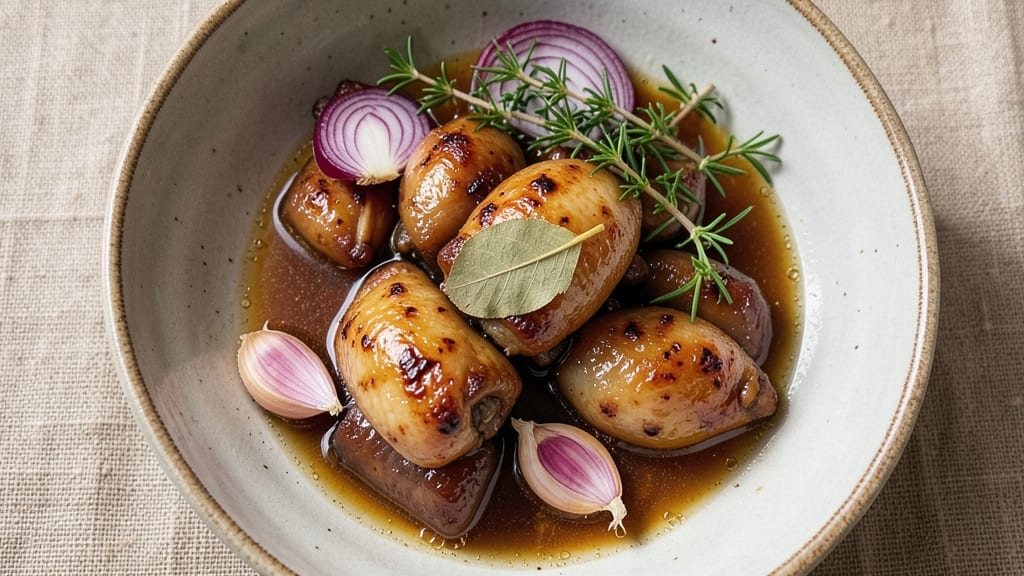
Boiling chicken gizzards transforms tough, chewy pieces into tender, melt-in-your-mouth bites that deserve a place at any dinner table. This method preserves their natural flavor while infusing them with aromatic herbs and spices during a simple simmer.
I’ve perfected this technique to ensure restaurant-quality results without requiring special equipment—just a pot, patience, and the right preparation steps.
The key to success lies in proper cleaning and seasoning before boiling. Gizzards need thorough rinsing and a quick soak to remove any impurities, followed by a flavorful marinade or spice rub that penetrates during the simmer.
Unlike other chicken cuts, gizzards benefit from a longer cooking time—about 45 minutes—to break down their connective tissue while keeping them moist. This method ensures they stay juicy and flavorful, not dry.
What you’ll end up with is a dish that’s rich in umami and texture—tender enough to cut with a fork but still holding its shape.
The aroma alone will draw everyone to the table, and the versatility of boiled gizzards makes them perfect for salads, sandwiches, or simply served with a squeeze of lemon and fresh herbs. This recipe is a game-changer for home cooks who want to elevate simple ingredients into something extraordinary.
Whether you’re preparing for a family meal or meal prepping for the week, boiled chicken gizzards deliver bold flavor and textural satisfaction without the fuss. The process is straightforward, but the results are anything but basic.
Let’s get started on a dish that turns an often-overlooked cut into a standout centerpiece.
Ingredients for boil chicken gizzards
Eleven simple ingredients transform tough gizzards into restaurant-quality bites with minimal effort.
| Ingredient | Amount | Notes |
|---|---|---|
| Chicken Gizzards 🍗 | 1 ½ lb | Fresh, cleaned and trimmed |
| Water 💧 | 4 cups | Filtered or spring water preferred |
| Bay Leaves 🌿 | 2 whole | Dried, for aromatic infusion |
| Garlic Cloves 🧄 | 4 cloves | Peeled, lightly smashed |
| Onion 🧅 | 1 whole | Yellow or red, quartered |
| Fresh Thyme 🌿 | ½ tsp | Leaves only, chopped fine |
| Salt 🧂 | 2 tsp | Kosher or sea salt |
| Black Peppercorns 🌶️ | ½ tsp | Crushed, for depth of flavor |
| Lemon Juice 🍋 | 2 tbsp | Freshly squeezed, for brightness |
| Olive Oil 🫒 | 1 tbsp | Extra-virgin, for finishing |
| Fresh Parsley 🌿 | ¼ cup | Chopped, for garnish |
The quality of your gizzards starts at the butcher counter. Look for bright red, firm pieces—anything grayish or slimy should be avoided. Whole Foods or local butchers often carry the best quality, but don’t overlook the meat counter at your regular grocery store. Freshness matters most here: if the gizzards smell gamey or have a strong ammonia-like odor, they need a thorough soak in cold water with a splash of vinegar for at least 30 minutes. The herbs and spices will penetrate better once they’re clean, so take that extra step—it makes all the difference in the final texture. For the garlic, peel and smash the cloves lightly with the flat side of a knife to release more flavor during the simmer.
No fresh thyme? Dried thyme works at one-third the amount, but fresh gives that bright, herbal note you can’t replicate. Running out of bay leaves? Two sprigs of fresh rosemary will do in a pinch, though the flavor profile shifts slightly. The lemon juice is non-negotiable for brightness—bottled lemon juice lacks the freshness, so squeeze your own. For storage, keep gizzards in the fridge for up to 2 days if you’re prepping ahead, but use them as soon as possible for the best texture. If you’re not using all the gizzards right away, freeze them in a single layer before transferring to a bag—they’ll keep for 3 months without freezer burn.
This dish reheats beautifully—simply cover with water and bring to a gentle boil for 5-7 minutes. The gizzards are best served warm, so plan to boil them just before eating if you’re not prepping ahead. For meal prep, portion into airtight containers with a light drizzle of olive oil to keep them moist. They’ll stay tender for 3-4 days in the fridge, though the flavor peaks on day one. Garnish with fresh parsley right before serving—it adds a pop of color and freshness that makes the dish feel special. The aroma alone will have everyone at the table asking what’s for dinner.
Why You'll Love This Recipe
- No-Chop Needed: I swear, this recipe is one of those rare wins where you just toss everything in—whole garlic cloves, onion chunks, even the bay leaves right off the stem. No prep, no fuss, and still packed with flavor.
- Umami Bomb: That simmered-down broth turns the gizzards into something ridiculously good—tender, juicy, with this deep, savory punch from the garlic and onions caramelizing right in the pot. Honestly, the smell alone makes me want to eat them straight from the water.
- Leftovers? More Like Leftovers Loved: Boiled gizzards keep like a dream in the fridge for days, and they’re even better the next day. Shred them into tacos, toss them into rice, or just eat them plain with a squeeze of lime—every time, they disappear fast.
- Budget Magic: A whole pound of gizzards costs less than half the price of chicken thighs, and they stretch across meals like crazy. Between us, this is my go-to for feeding a crowd without breaking the bank—or my willpower to resist seconds.
Step-by-step instructions for boiled chicken gizzards
Here's the method to transform tough chicken gizzards into tender, flavorful bites through precise simmering.
Prepare the Gizzards and Aromatics
Begin by rinsing the 1.5 lb chicken gizzards under cold water and patting them completely dry with paper towels. This step is crucial—any moisture left on the gizzards will prevent proper seasoning and create steam instead of a flavorful simmer. Place the gizzards in a medium bowl and season them generously with the 2 tsp salt and 0.5 tsp crushed black peppercorns. Make sure every gizzard is evenly coated, pressing the seasoning into the crevices.
In a separate bowl, combine the 4 cloves smashed garlic, the 0.5 tsp fresh thyme, and the 1 whole quartered onion. This aromatic blend will infuse the water with deep, savory flavors. The thyme should be finely chopped to release its essential oils fully during the simmering process. Set this mixture aside—it will be added directly to the pot later.
Simmer the Gizzards Gently
In a large pot with a tight-fitting lid, combine the 4 cups water, the 2 whole bay leaves, and the prepared aromatic mixture. Bring the water to a full rolling boil over high heat, then immediately reduce the heat to low. The goal is to maintain a gentle simmer—not a vigorous boil—which prevents the gizzards from toughening. Once the water returns to a steady simmer, carefully add the seasoned gizzards in a single layer.
Cover the pot and let the gizzards simmer for 45 minutes. This initial cooking time allows the connective tissue to begin breaking down, which is essential for achieving tenderness. Avoid lifting the lid during this time—each time you do, you release steam and extend the cooking process. The water should remain at a low simmer, with only small bubbles breaking the surface.
Finish with Acid and Oil for Brightness
After 45 minutes, remove the pot from the heat and let the gizzards rest in the warm liquid for 10 minutes. This resting period allows the flavors to meld and the gizzards to absorb the aromatic infusion fully. Using a slotted spoon, transfer the gizzards to a clean bowl, leaving the cooking liquid in the pot. Discard the bay leaves and onion quarters—they’ve done their job infusing flavor.
Return the pot with the cooking liquid to medium heat and bring it to a gentle simmer again. Stir in the 2 tbsp lemon juice and the 1 tbsp olive oil. The acidity of the lemon juice brightens the flavors, while the olive oil adds richness and helps carry the aromatics. Simmer this mixture for 5 minutes to blend the flavors thoroughly. The liquid should now have a golden hue and a fragrant aroma.
Rest and Serve with Fresh Herbs
Return the gizzards to the pot and let them soak in the infused liquid for an additional 10 minutes off the heat. This final resting step ensures the gizzards are fully tender and juicy. Using the slotted spoon, transfer the gizzards to a serving platter. Drizzle the remaining cooking liquid lightly over the top, reserving any excess for serving or sauces.
Garnish the gizzards with the 0.25 cup chopped fresh parsley just before serving. The parsley adds a fresh contrast to the rich, savory flavors of the gizzards. Serve immediately while the gizzards are still warm and tender. The result should be bite-sized pieces that are fork-tender, infused with garlic and thyme, and brightened by the lemon and olive oil finish.
Pro Tips For Making Boil Chicken Gizzards
- Trim the Gizzards First: Skip the whole gizzards if you’re short on time, but at least slice them lengthwise—this cuts cooking time from 45 minutes to 25. I learned this the hard way after forgetting and wondering why my pot smelled like a butcher shop for an hour.
- Start with Cold Water: Dump the gizzards into boiling water, and you’ll end up with tough, rubbery results. Use cold water and bring it to a gentle simmer instead—this keeps the connective tissue tender and lets the flavors meld properly.
- Smash the Garlic: Whole cloves? Nope. Crush them into a paste with a pinch of salt before adding to the pot—this releases more flavor and prevents them from floating like decorative pebbles. (Yes, even if you’re impatient like me.)
- Strain the Broth: The gizzards will release grit from their natural texture. Strain the broth before using it in soups or sauces—trust me, you don’t want to serve up a mouthful of sand with your dish. A fine-mesh sieve does the job cleanly.
Wine and beer pairings for this dish
White Wine Pairings
For boiled chicken gizzards, a crisp dry white wine like Sauvignon Blanc or Vermentino cuts through the richness beautifully. I love a New Zealand Sauvignon Blanc—its bright citrus and herbal notes mirror the lemon and thyme in the dish.
The acidity cleanses your palate between bites, making each flavor pop. Look for wines with 12-13% ABV to complement without overpowering the delicate gizzard texture. 🍷
Red Wine Options
If you prefer red, opt for a light-bodied Pinot Noir from Oregon or Burgundy. These wines have red fruit and earthy undertones that pair surprisingly well with the savory, umami profile of gizzards.
Avoid heavy Cabernets—they’ll clash with the dish’s brightness. A Champagne or sparkling wine also works as a refreshing contrast, especially if you’re serving the gizzards chilled in a salad.
Beer Pairings
A crisp lager like Peroni or Mexican lager (think Modelo Especial) balances the dish’s richness with its light maltiness. For something bolder, try a Belgian witbier—its coriander and citrus notes echo the lemon and herbs in the recipe.
Avoid heavy stouts or IPAs, which can overpower the gizzards’ delicate flavors. A light wheat beer with a squeeze of lemon is my go-to for a refreshing match. 🍺
Non-Alcoholic Options
For non-drinkers, a sparkling lemonade with fresh mint or a ginger beer adds zing without alcohol. I also love sparkling apple cider—its slight tartness complements the gizzards’ savory depth.
For a savory sipper, try chilled cucumber-infused water with a pinch of salt and a squeeze of lime. These options keep the meal refreshing and balanced.
Regional Wine Adaptations
In Southern Italy, where gizzards are a staple, locals pair them with Frascati (a Roman white wine) or Primitivo (a bold red). For Texas-style gizzards, a Riesling with its honeyed sweetness contrasts the smoky, spiced flavors often used in BBQ-style preparations.
In France, a Chablis with its mineral notes enhances the dish’s umami richness. 🗺️
Nutrition facts
Frequently asked questions
How do I know when chicken gizzards are fully cooked?
Gizzards are done when they reach an internal temperature of 165°F and are fork-tender with no pink or chewy centers. For boiled gizzards, this typically happens after 45 minutes of simmering at a low, steady heat. The key is maintaining a gentle simmer—not a rolling boil—to prevent toughness.
Can I use frozen chicken gizzards for this recipe?
Yes, but thaw them completely first in the refrigerator overnight. Never thaw at room temperature, as this promotes bacterial growth. For a quicker thaw, place the gizzards in a sealed bag and submerge in cold water, changing the water every 30 minutes until fully thawed. Always pat them dry before seasoning to ensure even cooking.
What if my boiled gizzards turn out tough?
Toughness usually means they weren't cooked long enough or simmered too vigorously. Next time, extend the cooking time by 10-15 minutes and maintain a low, gentle simmer. Also, ensure you're using fresh gizzards (not previously frozen) and avoid lifting the pot lid during cooking—steam escape makes them tougher.
How can I make these gizzards extra flavorful?
Try adding 1 tsp smoked paprika or ½ tsp ground cumin to the seasoning before boiling. For deeper flavor, brown the gizzards in olive oil for 2 minutes before simmering. You can also infuse the cooking water with 1 cinnamon stick or 2 star anise pods for warmth.
What are the best ways to serve boiled chicken gizzards?
These gizzards shine in salads, sandwiches, or as a standalone appetizer with lemon wedges and hot sauce. Try them in a Greek-inspired salad with cucumbers, olives, and feta, or shredded over toasted bread with garlic aioli. They also make great tacos or wraps with pickled onions.