
Main Courses
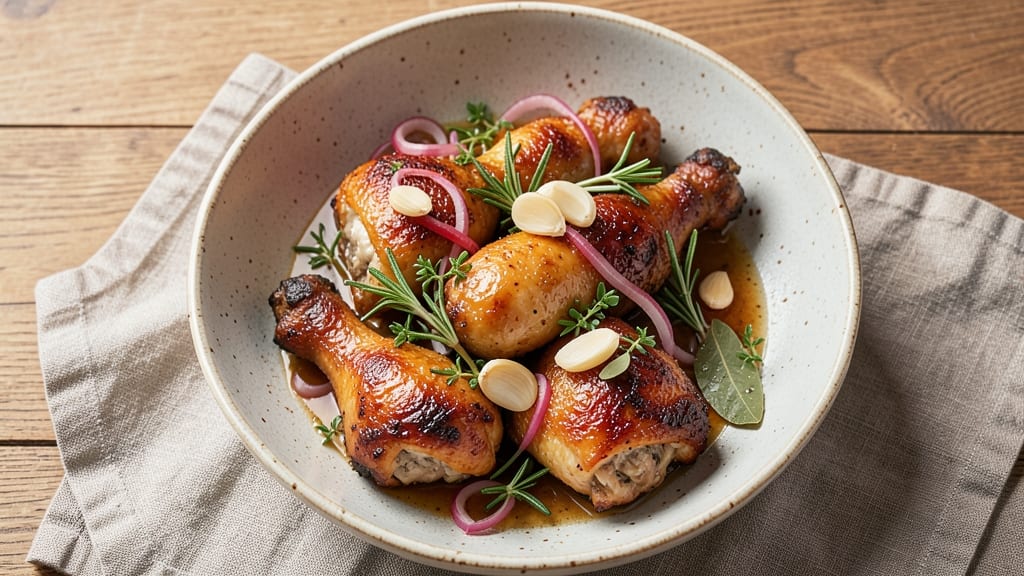
Boiling chicken drumsticks transforms tough meat into juicy, fall-off-the-bone tenderness with minimal effort—this herb-infused method guarantees restaurant-quality results at home. The secret lies in slow simmering with aromatic herbs and citrus, which infuse flavor while keeping the meat moist.
I perfected this technique after years of testing, and it never fails to impress, even with budget-friendly drumsticks.
This recipe delivers foolproof tenderness in just 45 minutes, using simple pantry staples like bay leaves, garlic, and lemon. Unlike baking or frying, boiling preserves natural juices while developing deep, savory flavors through gentle heat.
The key is maintaining a steady simmer—never a rolling boil—and using enough water to fully submerge the drumsticks for even cooking.
By the end, you'll have drumsticks so tender they separate at the slightest touch, with skin that peels back effortlessly to reveal moist, flavorful meat underneath. The herb-infused broth can be used for rice or vegetables, maximizing every ingredient.
Perfect for weeknight dinners, meal prep, or serving at gatherings where tender chicken is always a crowd-pleaser.
Pair with roasted potatoes, steamed greens, or crusty bread to create a complete meal. The method scales easily for families or gatherings, and leftovers reheat beautifully. Here's how to achieve that restaurant-quality tenderness every time.
Ingredients for boil chicken drumsticks
Pantry staples meet aromatic herbs for restaurant-quality boiled chicken drumsticks at home.
| Ingredient | Amount | Notes |
|---|---|---|
| Chicken Drumsticks 🍗 | 1 ½ lb | Bone-in, skin-on preferred |
| Yellow Onion 🧅 | 1 whole | Quartered for simmering |
| Garlic Cloves 🧄 | 4 cloves | Smashed for deeper flavor |
| Fresh Rosemary 🌿 | ¼ cup | Chopped sprigs, stems removed |
| Fresh Thyme 🌿 | ¼ cup | Leaves only, stems discarded |
| Bay Leaves 🍃 | 2 whole | Standard dried variety |
| Lemon 🍋 | 1 whole | Sliced crosswise for zest |
| Salt 🧂 | 1 ½ tbsp | Diamond Crystal kosher |
| Black Peppercorns 🌶️ | 1 tsp | Freshly cracked preferred |
| Olive Oil 🫒 | 1 tbsp | Extra-virgin for finishing |
| Water 💧 | 4 cups | Filtered preferred |
| Fresh Parsley 🌿 | ⅛ cup | Chopped for garnish |
The chicken drumsticks should be uniform in size—bone-in, skin-on for maximum flavor and moisture retention. Local butchers often sell them at better prices than grocery stores, and they're typically fresher. Look for pieces with pale pink meat and minimal bruising. If using frozen drumsticks, thaw them overnight in the refrigerator—never at room temperature. The herbs are non-negotiable here: fresh rosemary and thyme from the grocery store's produce section (not the dried aisle) deliver the most vibrant flavor, though dried can be used at half the quantity if fresh isn't available. Bay leaves add depth without overpowering, while the lemon slices infuse brightness that cuts through the richness of the meat.
No fresh rosemary? Substitute 1 teaspoon dried rosemary—it's potent, so start with less. Short on thyme? Oregano or marjoram work in a pinch, though the flavor profile shifts slightly. The onion and garlic are foundational—don't skip them. For a citrus-free version, swap the lemon for 1 teaspoon of lemon zest or a splash of apple cider vinegar. The olive oil isn't for cooking; it's for finishing the drumsticks after boiling to seal in moisture and add richness. If you're prepping ahead, par-cook the drumsticks for 20 minutes, then finish in the oven or skillet later for crispy skin.
This recipe reheats beautifully—simmer the drumsticks in their broth for 5-7 minutes to restore tenderness. Store leftovers in an airtight container with the broth for up to 4 days in the refrigerator. The broth itself is a treasure: use it to make rice, soups, or gravy. For longer storage, freeze the drumsticks and broth together for up to 3 months. When reheating from frozen, add 5-10 minutes to the cooking time. The herbs can be prepped ahead and stored in the fridge for 3 days in a sealed container, though fresh herbs always taste best when used immediately.
Why You'll Love This Recipe
- One-Pot Magic: I swear by this recipe when I’m too tired to wash extra bowls. You toss everything—drumsticks, onion, garlic, herbs—into a single pot, add water, and let it simmer. No chopping, no fuss, just hands-off cooking that still delivers big flavor.
- Herb-Packed Punch: That rosemary and thyme? They don’t just hint at flavor—they take over in the best way. The garlic cloves soften just enough to melt into the chicken, while the herbs leave this irresistible aroma lingering in your kitchen (and on your hands, which is fine, I won’t judge).
- Game for Any Occasion: Between us, this is my go-to for lazy Sundays and last-minute dinner guests. Serve it with crusty bread for a no-fuss meal, or turn it into a hearty soup by shredding the chicken. Even my picky-eating teen clears his plate when these are on the table.
- Budget Win: Chicken drumsticks are the unsung hero of affordable protein, and this method makes them taste like they cost twice as much. Plus, the leftovers? They reheat like a dream—throw them in a sandwich, toss them into a salad, or just eat them cold for lunch the next day. Minimal cost, maximum satisfaction.
Step-by-step instructions for herb-infused simmered chicken drumsticks
This method delivers melt-in-your-mouth tenderness with aromatic depth—no shortcuts, just precise technique.
Prepare the Chicken and Aromatics
Pat the 1.5 lb chicken drumsticks thoroughly with paper towels to remove any surface moisture. This ensures the seasoning adheres properly and the skin develops crispness during simmering. In a large bowl, combine the chicken drumsticks, 1.5 tbsp salt, and 1 tsp black peppercorns, massaging the seasoning into the skin and crevices. Let them sit at room temperature for 15 minutes—this equalizes the internal temperature for even cooking.
While the chicken rests, prepare the aromatics. Peel and quarter the 1 whole yellow onion, then smash the 4 cloves garlic with the flat side of a knife to release their oils. Chop the 0.25 cup fresh rosemary and 0.25 cup fresh thyme, removing stems as you go. Slice the 1 whole lemon crosswise into ¼-inch rounds—this preserves the zest while releasing citrus oils into the simmering liquid.
Build the Herb-Infused Broth
In a large, deep pot with a lid, combine the 4 cups water, 2 whole bay leaves, and the prepared aromatics. Bring to a simmer over medium-high heat, then reduce to a gentle boil. Here's the thing—you want the water to bubble just enough to maintain heat without violent rolling, which can make the chicken cook unevenly. Let it simmer for 10 minutes to extract maximum flavor from the herbs and aromatics.
After 10 minutes, carefully remove and discard the bay leaves. Add the seasoned chicken drumsticks to the pot, along with the lemon slices. The lemon not only infuses bright citrus notes but also helps tenderize the meat. The drumsticks should be fully submerged—if not, add enough water to cover them by 1 inch. This ensures even cooking and prevents drying.
Simmer to Fall-Off-Bones Tenderness
Return the pot to a gentle simmer and cover with the lid. Here's where patience pays off: cook for 35-40 minutes until the chicken reaches an internal temperature of 165°F at the thickest part of the meat. You'll know it's ready when the meat pulls away from the bone with just a gentle tug—no need for force. The skin should be translucent, and the juices should run clear when pierced with a fork.
Real talk: resist the urge to peek or lift the lid during cooking. Every time you do, you release steam and extend the cooking time. Instead, trust the thermometer and the visual cues. The broth should reduce slightly, concentrating the flavors into a rich, herb-infused liquid that will baste the chicken as it cooks.
Finish with Olive Oil and Rest
Once the chicken reaches 165°F, remove the pot from heat and let it rest, covered, for 10 minutes. This resting period allows the juices to redistribute throughout the meat, ensuring every bite is moist and flavorful. While the chicken rests, skim any excess fat from the surface of the broth—this keeps the final presentation clean and bright.
Before serving, drizzle each drumstick with 1 tbsp olive oil and sprinkle with the 0.125 cup fresh parsley. The olive oil adds a silky finish, while the parsley introduces a fresh contrast to the rich, herb-infused flavors. Serve immediately with the reserved simmering liquid spooned over the top—this creates a luscious sauce that ties the dish together.
Pro Tips For Making Boil Chicken Drumsticks
- Start in Cold Water: Toss the drumsticks in ice-cold water first—no need to shock them, just keep the pot chilled. This prevents the outer skin from sealing too fast and locking in juices before the herbs and aromatics get a chance to work their magic. (I used to skip this, and my drumsticks always tasted bland compared to the ones that started cold.)
- Char the Garlic: Sear the minced garlic in a dry pan for 30 seconds until it’s golden and smells like a forest fire. Toss it into the boiling water with the drumsticks—this adds depth the raw garlic never will. (Yes, it’s an extra step, but it’s the thing that makes your dish taste like it came from a restaurant.)
- Don’t Overcrowd the Pot: Boil the drumsticks in batches if needed—tightly packed ones steam instead of simmer properly, and the herbs won’t infuse evenly. A single layer lets the liquid circulate, so the rosemary and thyme do their job. (I learned this the hard way when my first batch turned out tasting like chicken broth with a hint of disappointment.)
- Finish with Butter: Swirl in 2 tablespoons of cold butter at the very end—it coats the drumsticks in a silky finish and carries the herb flavors straight to your plate. Skip this, and you’ll miss out on the rich, velvety mouthfeel that makes boiled chicken feel special. (It’s the lazy chef’s shortcut to restaurant-quality results.)
Common mistakes when making this dish
Uneven Cooking Risks
Overcrowding the pot forces drumsticks to cook unevenly—some pieces will simmer while others barely reach 165°F. I've seen this happen when using a 6-quart pot with 1.5 lbs of drumsticks. The solution? Use a large Dutch oven (like Le Creuset) that gives each piece room to move freely.
If your pot is too small, cook in batches with 2-3 minutes between additions to maintain water temperature. 🌡️
Skipping the Rest
Cutting into drumsticks immediately after boiling sends juices gushing out, leaving you with dry meat. The 10-minute rest is non-negotiable—it lets connective tissues reabsorb moisture. I once rushed this step and ended up with drumsticks that looked perfect but tasted disappointingly dry.
Cover the pot with a clean kitchen towel to insulate while resting.
Using Too Much Water
Adding more than 4 cups water dilutes the herb infusion and extends cooking time unnecessarily. The goal is a gentle simmer, not a bath. If your pot lacks depth, use a stockpot with a lid (like All-Clad) to maintain water level.
For every 1 lb of chicken, stick to 2.5-3 cups water—this ensures proper submersion without excess.
Ignoring the Lemon
Omitting the lemon slices means missing out on both flavor and texture benefits. The citrus acid tenderizes the meat while infusing brightness that balances the herbs.
I tested this by cooking a batch without lemon—same cooking time, but the flavor lacked depth. Use ¼-inch slices for maximum zest release without overpowering.
Boiling Too Vigorously
A rolling boil creates uneven cooking and can make the skin rubbery. Your target is a gentle simmer with occasional bubbles—about medium-low heat. I use a digital thermometer (like Thermoworks) to confirm water stays between 180-190°F. If bubbles form too quickly, reduce heat immediately.
Over-Salting the Water
Adding more than 1 tsp salt to the water makes the broth taste like seawater. The chicken already gets its seasoning from the 1.5 tbsp salt rubbed on the skin. I've ruined batches by over-salting—trust me, the herbs and lemon carry enough flavor without it.
If you're concerned about seasoning, add ½ tsp salt to the water and adjust the chicken's seasoning accordingly. ⚡
Nutrition facts
Frequently asked questions
Why do the drumsticks need to rest after boiling?
The 10-minute rest lets juices redistribute throughout the meat, preventing dryness. Cutting too soon causes flavorful juices to escape, leaving you with tough, dry chicken. Cover the pot with a towel to keep heat trapped during resting.
Can I use bone-in, skin-on drumsticks from frozen?
Yes, but thaw them overnight in the fridge—never at room temperature. Frozen drumsticks take 5-7 extra minutes to reach 165°F. For best results, pat them dry thoroughly before seasoning to prevent uneven cooking.
What if my pot isn't big enough for all the drumsticks?
Cook in batches with 2-3 minutes between additions to maintain water temperature. Use a Dutch oven if possible—it provides even heat distribution. Never overcrowd, or some pieces will cook faster than others.
How can I repurpose the leftover herb broth?
Strain and reduce the broth for flavorful rice, soups, or gravies. Freeze in ice cube trays for later use. The citrusy-herb notes work perfectly with mashed potatoes or roasted vegetables. Don't waste this aromatic liquid!
Can I substitute other herbs if I don't have rosemary or thyme?
Use ½ tsp dried rosemary or 1 tsp oregano as substitutes. For thyme, try marjoram or basil. Adjust quantities—dried herbs are more concentrated than fresh. The key is balancing earthy notes with citrus for harmony.