
Main Courses
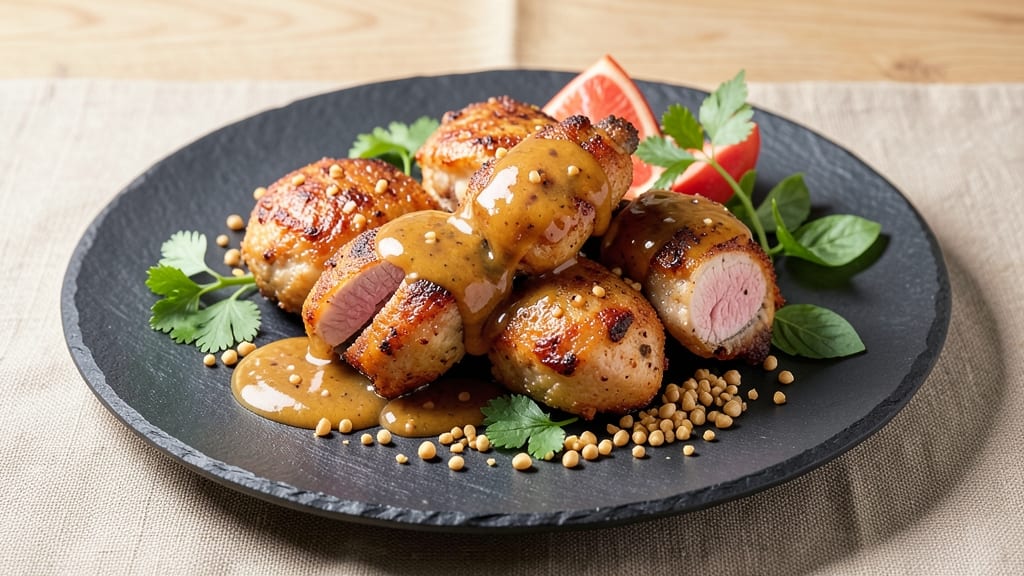
The Bangkok peanut sauce chicken recipe delivers the perfect harmony of creamy coconut, nutty peanut, and tangy Thai flavors in a single pan. This dish transforms simple chicken thighs into a restaurant-worthy meal with minimal effort—just 30 minutes of active time and a few pantry staples.
The secret lies in balancing sweet, spicy, and savory notes through a rich peanut sauce that clings to every bite.
What sets this recipe apart is the one-pan technique, where the chicken cooks in its own juices while the sauce simmers down to a velvety consistency. No blender required—just stir, simmer, and serve.
The sauce starts with toasted peanuts and coconut milk, then builds depth with fish sauce, lime, and a touch of chili for heat. It’s the kind of dish that tastes even better the next day, making it ideal for meal prep.
By the time you’re done, you’ll have tender, golden chicken swimming in a glossy peanut sauce that’s fragrant, slightly sweet, and deeply satisfying. The aroma alone will have everyone gathering around the table.
Serve it over jasmine rice or with a crisp cucumber salad to cut through the richness. This recipe proves Thai-inspired cooking doesn’t require a trip to the airport.
The best part? It’s foolproof for home cooks—no advanced techniques, just a few key steps to ensure the sauce doesn’t separate and the chicken stays juicy. Whether you’re feeding a crowd or treating yourself to a weeknight dinner, this dish delivers bold flavors without the fuss. Let’s get cooking!
Ingredients for bangkok peanut sauce chicken
Pantry staples meet bold Thai flavors—just 15 ingredients for restaurant-quality peanut sauce chicken.
| Ingredient | Amount | Notes |
|---|---|---|
| Boneless, Skinless Chicken Thighs 🍗 | 1 ½ lb | Cut into 1-inch pieces |
| Peanut Butter 🥜 | ½ cup | Natural, unsweetened preferred |
| Coconut Milk 🥥 | 13 ½ oz | Full-fat canned, well-shaken |
| Fish Sauce 🍶 | 2 tbsp | Red Boat preferred |
| Lime Juice 🍋 | 2 tbsp | Freshly squeezed |
| Brown Sugar 🍯 | 2 tbsp | Light or dark works |
| Soy Sauce 🍶 | 1 tbsp | Light or all-purpose |
| Garlic Cloves 🧄 | 4 cloves | Minced, fresh preferred |
| Fresh Ginger 🌿 | 1 tbsp | Grated, peeled |
| Red Curry Paste 🌶️ | 1 tbsp | Maesri or similar brand |
| Vegetable Oil 🫒 | 2 tbsp | For searing chicken |
| Salt 🧂 | 1 tsp | Kosher or sea salt |
| Black Pepper 🌶️ | ½ tsp | Freshly ground preferred |
| Thai Chili Paste 🔥 | 1 tbsp | Adjust for heat preference |
| Green Onions 🧅 | 2 whole | Sliced, for garnish |
The coconut milk is non-negotiable here. Full-fat canned is essential—light versions won't give that creamy texture. Thai Kitchen or Chaokoh brands are my go-tos, but any well-shaken can works. For the peanut butter, natural, unsweetened is key—no sugar or additives. The fish sauce should smell like umami, not fishy. Red Boat is the gold standard, but Three Crabs works too. If you can't find it, Squids brand is a solid backup. The red curry paste? Maesri is my favorite—it's balanced and not too spicy, but any quality brand will do.
No fish sauce? Soy sauce plus a pinch of sugar gets you close, though it won't be authentic. Running out of lime juice? Lemon juice works in a pinch, but add a pinch of salt to balance. The Thai chili paste can be swapped for sriracha at half the amount, but you'll lose that complex, funky flavor. For the ginger, fresh is best, but if you're in a bind, ground ginger at half the amount works. The green onions? Scallions or chives can stand in, but they won't have that same sharp kick. Toast your peanut butter first—microwave for 30 seconds to bring out the nuttiness.
This sauce thickens as it cools, so add a splash of water if it gets too thick while reheating. Keeps 3-4 days in the fridge, though it tastes best within 2 days. Freezes beautifully for 3 months—just thaw in the fridge overnight. For meal prep, store the sauce and chicken separately. Reheat the sauce first, then toss in the chicken to warm through. The chicken reheats best from room temp, so take it out 10 minutes before serving.
Why You'll Love This Recipe
- One-Pot Magic: I swear by this recipe because it’s literally one pan—no chopping, no fussing, just chicken, sauce, and a single sheet pan. The peanut butter and coconut milk melt together while you’re still slicing the lime, and by the time the chicken’s golden, your kitchen’s cleaner than if you’d made pad thai from scratch.
- Umami Bomb: That fish sauce and lime juice combo? It’s the secret weapon here. The peanutty richness gets this deep, salty-sweet punch, but the citrus cuts through the heaviness so it’s bright and addictive—not cloying, not boring. Honestly, I’ll take this over takeout any day.
- Lunchbox Hero: Between us, this is my go-to for meal prep. The sauce clings to the chicken like glue, so it stays juicy for days, and the flavors only get better after a night in the fridge. Pack it cold or reheat it—either way, it’s a hit with my kids (yes, even the picky ones).
- Pantry Powerhouse: I keep peanut butter, coconut milk, and fish sauce on hand just for this. It’s cheap, it’s fast, and it turns $5 chicken thighs into something that feels like a restaurant dish. Plus, the leftovers? They’re my secret for lazy nights when I don’t want to cook.
Step-by-step instructions for Bangkok peanut sauce chicken
This one-pan method delivers restaurant-quality Thai peanut sauce with tender chicken and perfect balance.
Sear the Chicken for Maximum Flavor
Heat the 2 tablespoons vegetable oil in a large skillet over medium-high heat until shimmering. Add the 1.5 lb boneless, skinless chicken thighs cut into 1-inch pieces, working in batches if needed to avoid crowding. Let each piece sear undisturbed for 2-3 minutes until golden brown on both sides.
I press down gently on the chicken during the first minute—this prevents it from curling and ensures even contact with the pan. You'll know it's ready to flip when the edges release easily from the pan. Transfer the seared chicken to a plate and set aside, leaving the rendered chicken fat in the skillet. This fat becomes the flavor foundation for your sauce.
Build the Flavor Base with Aromatics
Reduce the heat to medium and add 4 cloves minced garlic cloves and 1 tablespoon grated fresh ginger to the skillet. Cook for 30-45 seconds until fragrant—you should smell that fresh, zesty aroma. Immediately add 1 tablespoon red curry paste and stir for 1 minute until it darkens slightly and releases its deep, spicy notes.
Here's where it gets good: splash in 2 tablespoons fish sauce and 1 tablespoon soy sauce, stirring constantly. The sauce will bubble vigorously—this is normal. Let it cook for 1 minute until slightly reduced. This step develops the complex umami foundation that makes this sauce sing.
Combine Wet Ingredients for Creamy Balance
Pour in 13.5 oz coconut milk and bring to a gentle simmer over medium-low heat. Stir in 0.5 cup peanut butter, 2 tablespoons brown sugar, 1 tablespoon Thai chili paste, 2 tablespoons lime juice, 1 teaspoon salt, and 0.5 teaspoon black pepper. Whisk continuously for 2-3 minutes until the peanut butter melts completely and the sauce thickens slightly.
The peanut butter might look like too much at first, but trust me—it will emulsify perfectly with the coconut milk. You're aiming for a glossy, thick sauce that coats the back of a spoon. If it looks too thick, add 1-2 tablespoons water to loosen it. The sauce should be smooth with a rich peanut aroma and subtle heat from the chili paste.
Finish and Garnish for Restaurant Quality
Return the seared chicken to the skillet and simmer for 5-7 minutes until the chicken is cooked through and the sauce clings beautifully to each piece. The internal temperature should reach 165°F—use an instant-read thermometer to check the thickest piece. Taste and adjust seasoning if needed, adding more fish sauce for saltiness or lime juice for brightness.
Remove from heat and let the sauce sit for 1 minute to thicken slightly. Garnish with 2 whole sliced green onions just before serving. The green onions add a fresh contrast to the rich peanut sauce. Serve immediately over steamed jasmine rice to soak up every last drop of that fragrant sauce.
Pro Tips For Making Bangkok Peanut Sauce Chicken
- Brown the Chicken First: Skip the raw chicken in sauce—pat thighs dry, then sear them in a hot pan with oil for 3-4 minutes per side until golden. I learned this the hard way: undercooked chicken ends up rubbery, and the sauce clings like glue instead of caramelizing. High heat builds flavor before the peanut sauce even hits the pan.
- Roast the Peanut Butter: Toast your peanut butter in the saucepan for 1-2 minutes before adding coconut milk—just until it smells nutty and fragrant. My grandmother swore by this, and she was right: it deepens the peanut flavor without tasting raw. (Yes, even if you're impatient like me.)
- Balance the Fish Sauce: Start with half the fish sauce called for, taste, then adjust—peanut sauce can easily turn salty or harsh. I was skeptical until I tried it: the lime juice cuts through the richness, but fish sauce needs a gentle hand. Add it gradually, like seasoning a soup.
- Simmer, Don’t Boil: Keep the sauce at a gentle simmer (tiny bubbles, not rolling) for 10-12 minutes after combining all ingredients. After burning three batches, I finally figured out that boiling skims off the peanut oils and makes the sauce separate. Low and slow keeps it silky.
Serving suggestions for bangkok peanut sauce chicken
Rice Pairings
Steamed jasmine rice is the classic match for this dish—its delicate floral aroma complements the peanut sauce beautifully. Cook 1 cup jasmine rice with 1.5 cups water for perfectly fluffy grains that soak up every drop of sauce.
For extra authenticity, use a rice cooker set to "white rice" mode. 🍚
For a heartier option, try Thai sticky rice—its chewy texture contrasts wonderfully with the sauce's richness. Serve with a small bowl of coconut milk for dipping. If you prefer a lighter base, brown rice works too, though it absorbs sauce more slowly.
Fresh Vegetable Sides
A crisp Thai cucumber salad cuts through the sauce's richness with its cool, tangy bite. Toss 2 cups sliced cucumbers with 1 tbsp rice vinegar, 1 tsp sugar, and a pinch of salt. Add 1 tbsp chopped cilantro and ½ tsp red pepper flakes for heat. ✨
For a protein boost, serve with steamed bok choy or Chinese broccoli—both hold their texture well and complement the dish's bold flavors. Lightly sauté with 1 tsp sesame oil and a sprinkle of toasted sesame seeds for extra crunch.
Crunchy Garnishes
Top each serving with crushed roasted peanuts for texture and extra peanut flavor. Toast ¼ cup peanuts in a dry pan over medium heat for 2-3 minutes until golden, then coarsely crush with a rolling pin. This adds a satisfying crunch that balances the sauce's creaminess.
Fresh Thai basil leaves or mint add a bright, herbal contrast. Tuck a few leaves into the sauce before serving, or scatter them over the top. For a smoky touch, sprinkle with crumbled fried shallots or toasted coconut flakes.
Dipping Sauces
Offer a small bowl of sweet chili sauce on the side for dipping. Mix ¼ cup sweet chili sauce with 1 tsp lime juice and a pinch of salt. The sweet-spicy balance enhances the peanut sauce's depth. 💛
For a tangy option, serve with a lime crema—blend ¼ cup sour cream with 1 tbsp lime juice and 1 tsp honey. This cool, creamy dip refreshes the palate between bites of rich chicken.
Nutrition facts
Frequently asked questions
Can I use chicken breast instead of thighs?
Yes, but thighs are ideal for this dish. Chicken breast will stay tender, but it's leaner and can dry out faster. If using breast, cut into ½-inch thick pieces and reduce cooking time to 3-4 minutes after adding back to the sauce. For extra juiciness, marinate the breast in 1 tbsp soy sauce and 1 tbsp lime juice for 15 minutes before cooking.
Why did my peanut sauce separate?
This usually happens when the sauce cools too quickly or if the peanut butter wasn't fully emulsified. To fix it, whisk in 1-2 tablespoons hot water while stirring constantly over low heat. For prevention, always toast the peanut butter first (microwave 30 seconds) and stir vigorously when adding to the coconut milk. The sauce should thicken as it cools—if it's too thick while hot, thin with a splash of water.
How can I make this dish less spicy?
Reduce or omit the Thai chili paste entirely, and use ½ teaspoon of sweet chili sauce instead for mild heat. For extra mildness, skip the chili paste and add ½ teaspoon sugar to balance the fish sauce's saltiness. If you prefer no heat at all, simply leave out any chili components. The sauce will still be rich and flavorful!
Can I make this dish ahead of time?
The sauce and chicken reheat beautifully. Store them separately in the fridge for up to 3 days. When ready to serve, reheat the sauce first over low heat, then add the chicken to warm through. For best results, let the chicken sit at room temperature for 10 minutes before reheating to prevent drying. The flavors actually deepen overnight, making it perfect for meal prep.
What's the best way to thicken the sauce?
If your sauce is too thin, simmer uncovered for 5-7 minutes to reduce. For instant thickening, mix 1 teaspoon cornstarch with 1 tablespoon water, then stir into the sauce. Alternatively, add 1-2 tablespoons crushed roasted peanuts—they'll absorb excess liquid while adding texture. Never boil the sauce vigorously, as this can cause separation.