
Main Courses
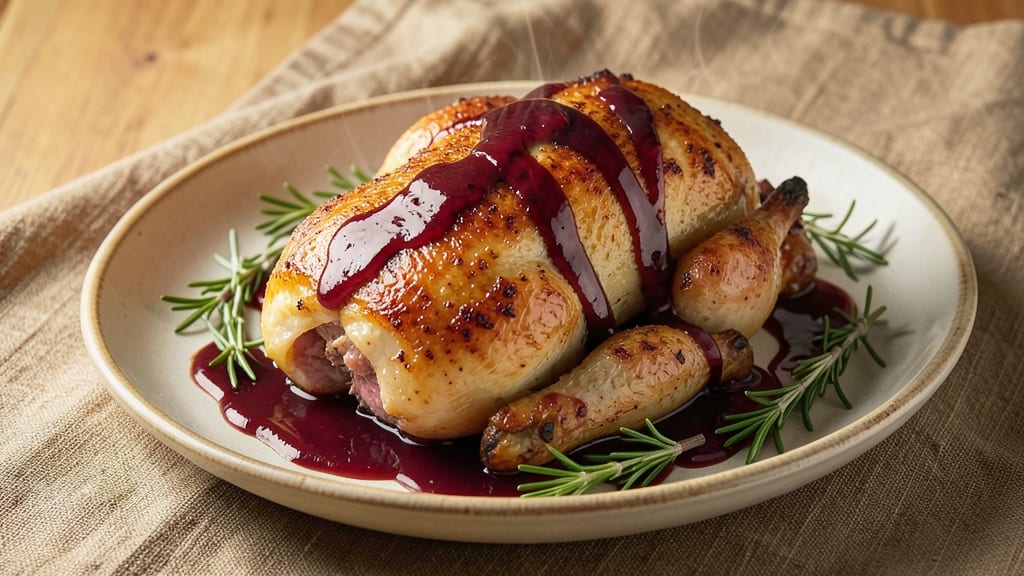
This balsamic roast chicken recipe delivers a showstopping centerpiece with crispy, caramelized skin and impossibly juicy meat—no fancy techniques required. The secret lies in a simple balsamic reduction that transforms ordinary roasting into a restaurant-worthy experience. I've perfected this method over countless holiday tables, and it consistently earns rave reviews even from skeptical chicken lovers.
The magic happens in three key steps: seasoning the chicken generously with salt and herbs, basting with balsamic vinegar and butter throughout cooking, and finishing with a glaze of reduced balsamic and honey.
This approach creates that signature glossy skin while keeping the meat tender and flavorful. The balsamic adds a subtle tang that cuts through the richness, balancing every bite perfectly.
What you'll end up with is a golden, glistening chicken that practically falls apart when carved, with a sauce so rich it coats every bite. The aroma alone will have your guests anticipating dinner hours before it's ready.
This recipe serves 6-8 and pairs beautifully with roasted vegetables or crusty bread to soak up the delicious juices.
Perfect for special occasions or weeknight dinners when you want to impress without stress. The technique is straightforward, but the results feel like you've spent hours in the kitchen. Let's get started on creating your juiciest, most flavorful roast chicken yet.
Ingredients for balsamic roast chicken
Six ingredients transform ordinary roasting into a restaurant-quality balsamic masterpiece.
| Ingredient | Amount | Notes |
|---|---|---|
| Whole Chicken 🍗 | 4 lb | Fresh, preferably organic, patted dry |
| Balsamic Vinegar 🍷 | ½ cup | Aged, high-quality for best flavor |
| Unsalted Butter 🧈 | ½ cup | Cold, cut into pieces for basting |
| Honey 🍯 | ¼ cup | Wildflower preferred for depth |
| Kosher Salt 🧂 | 2 tbsp | Diamond Crystal preferred for texture |
| Fresh Rosemary 🌿 | ¼ cup | Finely chopped stems included |
| Fresh Thyme 🌿 | ¼ cup | Leaves only, stems removed |
| Garlic Cloves 🧄 | 6 cloves | Peeled, smashed for maximum flavor |
| Olive Oil 🫒 | 2 tbsp | Extra-virgin, for basting |
| Fresh Lemon Juice 🍋 | 1 tbsp | Bright, freshly squeezed |
| Black Peppercorns 🌶️ | 1 tsp | Freshly cracked for aroma |
| Fresh Sage Leaves 🍃 | ¼ cup | Chopped, for herb bundle |
| Fresh Parsley 🌿 | 0.1 cup | Chopped, for garnish |
The chicken is non-negotiable—look for a 4-pound bird with good marbling and vibrant color. Whole Foods or your local butcher usually have the best quality, but any reputable grocery store will do. Pat it dry before seasoning; moisture is the enemy of crispy skin. For the balsamic, aged varieties like Balzac or Barolo add complexity, but any decent balsamic will work. The butter should be cold and unsalted—salted can alter the seasoning balance. Fresh herbs are ideal, but if you're using dried, cut the amount to one-third of what's listed.
No balsamic vinegar? Substitute red wine vinegar with a pinch of sugar—it won't be identical, but it'll work in a pinch. Butter too expensive? Olive oil works just as well for basting. Fresh herbs wilted? Dried thyme and rosemary at half the amount will keep the earthy notes. The honey can be swapped for maple syrup if you prefer. For extra richness, add 1 tbsp of brown sugar to the balsamic reduction. And if you're feeling fancy, truffle oil in the glaze adds a gourmet touch—just a teaspoon goes a long way.
Chicken keeps best covered in the fridge for 2 days before roasting, allowing flavors to meld. The fresh herbs should be wrapped in damp paper towels and stored in a sealed container for up to 5 days. The balsamic reduction can be made ahead and reheated gently—it actually tastes better the next day. Portion the glaze into small containers for easy reheating. Leftover chicken? Shred for sandwiches or tacos—the glaze adds incredible flavor to any dish.
Why You'll Love This Recipe
- Five-Ingredient Magic: The pantry staples you already own—balsamic, butter, honey—do all the work. No fancy prep, no chopping, just a whole chicken slathered and roasted until golden. That’s it.
- Sweet-Savory Crust: The balsamic caramelizes into a sticky, tangy glaze while the butter and honey melt into the skin, creating that perfect crispy-tender contrast. Honestly, the first bite makes you forget takeout exists.
- Weeknight to Weekend: Throw it in the oven for dinner, then use leftovers for sandwiches, salads, or even chicken pot pie. Between us, this is the only roast chicken I make—I’m too lazy for anything else.
- Budget-Friendly Feast: A single chicken feeds four (or two very hungry people) and costs less than half the price of store-bought rotisserie. Plus, the leftovers taste even better the next day, so you’re basically winning.
Step-by-step instructions for balsamic roast chicken
Here's how to create a showstopping roast chicken with irresistible caramelized skin and moist centers.
Prepare the Chicken and Herb Glaze
Start by patting the 4 lb whole chicken completely dry with paper towels—this is non-negotiable for crispy skin. I like to use my hands to really press out all moisture from the cavity and under the skin. In a small saucepan, combine the 0.5 cup balsamic vinegar, 0.25 cup honey, 2 tbsp olive oil, and 1 tbsp fresh lemon juice. Bring to a simmer over medium heat, then reduce by half until thickened to a syrupy consistency. This will become our signature glaze.
While the glaze reduces, make an herb bundle by tying together the 0.25 cup fresh rosemary, 0.25 cup fresh thyme, 0.25 cup fresh sage leaves, and 6 smashed garlic cloves with kitchen twine. This bundle infuses the chicken with aromatic flavors without overpowering the dish. The glaze should coat the back of a spoon when done—this ensures perfect stickiness for that caramelized crust.
Season and Sear the Chicken
Preheat your oven to 375°F. Season the chicken generously with the 2 tbsp kosher salt and 1 tsp freshly cracked black peppercorns, making sure to get into the cavity. Rub the outside of the chicken with the remaining 0.5 cup unsalted butter, focusing on the skin to create a protective barrier that will crisp beautifully.
Heat a large oven-safe skillet over medium-high heat. Place the chicken breast-side up in the skillet and sear for 8-10 minutes until the skin is golden brown and crispy in spots. This initial searing creates the foundation for our caramelized crust. Don't rush this step—patience here ensures that perfect texture we're after. Once browned, transfer the skillet to the preheated oven.
Roast with Basting and Glaze
Place the herb bundle into the cavity of the chicken. Pour the reduced balsamic glaze over the chicken, making sure to coat it thoroughly. Roast uncovered for 1 hour 15 minutes, basting every 20 minutes with the pan juices. This basting keeps the meat moist while building that signature caramelized crust.
Here's where the magic happens: after the initial hour, increase the oven temperature to 425°F. This higher heat helps caramelize the glaze more quickly. Continue roasting for another 15-20 minutes until the internal temperature reaches 165°F in the thickest part of the thigh. The skin should be deep mahogany brown with a glossy sheen from the glaze. If it starts to darken too quickly, tent loosely with foil.
Rest and Serve with Garnish
Remove the chicken from the oven and transfer it to a cutting board. Let it rest for 15 minutes before carving—this is crucial for juicy meat. While it rests, skim any excess fat from the pan juices and reduce them by half over medium heat. This makes a perfect pan sauce that complements the chicken beautifully.
Garnish the chicken with the 0.1 cup chopped fresh parsley just before serving. The parsley adds a fresh contrast to the rich, caramelized flavors. Each slice should reveal juicy, pink centers and that irresistible crispy skin. Serve with the reduced pan sauce spooned over the top and any roasted vegetables you've prepared on the side.
Pro Tips For Making Balsamic Roast Chicken
- CRANK THE HEAT FIRST: Start your chicken at 425°F for the first 20 minutes—this isn’t just for show. The high heat caramelizes the honey and butter faster, giving you that sticky, glossy crust before the oven drops to 375°F. (Yes, even if you’re impatient like me, resist the urge to peek early.)
- SALT THE CHICKEN INSIDE: Skip the dry brine—just stuff the cavity with a whole garlic clove, a sprig of rosemary, and a generous pinch of kosher salt (about ½ teaspoon). This keeps the meat juicy while the skin crisps, and the salt infuses the fat directly. (I learned this the hard way after a dry, salty skin disaster.)
- DON’T DROWN THE BALSAMIC: Reduce the balsamic vinegar to a thick syrup (about ¼ cup) before basting—this prevents a watery glaze and ensures it clings to the chicken instead of pooling in the pan. Simmer it in a small saucepan until it coats the back of a spoon. (Sounds tedious, but it’s the thing that matters most.)
- REST IT UNDER FOIL: Once the chicken hits 165°F, pull it from the oven and tent it loosely with foil for 10 minutes. This traps heat so the juices redistribute instead of leaking out when you carve. (Your future self will thank you—trust me, I’ve seen the sad, dry slices.)
Health benefits of this balsamic roast chicken
Protein Powerhouse
A 4-pound whole chicken provides a substantial 120-140 grams of high-quality protein—about 30-35 grams per serving—essential for muscle repair and satiety. This lean protein source also contains all nine essential amino acids your body needs, making it a complete protein.
The balsamic glaze doesn't add significant calories, so you get all the protein benefits without the guilt. 💪
Rich in B Vitamins
Chicken is naturally packed with B vitamins, particularly niacin (B3) and pyridoxine (B6), which play key roles in energy metabolism and brain function. A serving delivers about 50% of your daily niacin needs, helping convert food into usable energy.
The rosemary and thyme in this recipe add extra antioxidants that support overall cellular health.
Healthy Fats Balance
The unsalted butter and olive oil used in this recipe provide heart-healthy monounsaturated fats, which help lower bad cholesterol (LDL) while maintaining good cholesterol (HDL). The balsamic vinegar adds a touch of polyphenols, plant compounds with anti-inflammatory properties.
Together, these ingredients create a flavorful dish that supports cardiovascular health without excessive saturated fats.
Vitamin Boost
This recipe delivers vitamin B6 (for neurotransmitter production) and vitamin B12 (for red blood cell formation), both critical for energy and nerve function. The garlic and lemon juice add extra vitamin C, which aids in iron absorption from the chicken.
Even the honey contributes trace amounts of vitamin B6 and minerals like potassium.
Low-Calorie Luxury
Despite its indulgent flavors, this balsamic roast chicken is surprisingly light on calories—about 250-300 calories per serving without heavy sauces. The balsamic glaze adds minimal sugar (just 10 grams per serving from honey), making it a guilt-free way to enjoy restaurant-quality flavors.
The high protein content keeps you full longer, reducing cravings for less healthy snacks later.
Digestive Benefits
The fresh herbs (rosemary, thyme, sage) in this recipe contain digestive enzymes that aid in breaking down proteins, making this chicken easier to digest than many heavy holiday meals. The lemon juice adds a touch of acidity that can help stimulate digestive juices.
Plus, the fiber-rich roasted vegetables (if served on the side) complement the protein for balanced nutrition. 🌿
Nutrition facts
Frequently asked questions
Can I use bone-in, skin-on chicken thighs instead of a whole chicken?
This recipe works beautifully with bone-in, skin-on thighs for a quicker cook time. Just reduce the oven temperature to 350°F and roast for 40-45 minutes, basting every 15 minutes. The skin will crisp up nicely, and the thighs stay juicy. For thighs, use 2 large pieces (about 2 lbs total) and adjust the glaze to 0.3 cup balsamic vinegar.
How do I prevent the chicken from drying out?
Basting is key! Use a spoon to baste every 20 minutes with the pan juices, and don't skip the 15-minute rest before carving. For extra moisture, place a small pan of water on the oven rack below the chicken. If the skin browns too quickly, tent loosely with foil. The glaze also helps lock in juices—just don't overcook!
Can I make the balsamic glaze ahead of time?
Yes, but store it properly. Make the glaze up to 3 days ahead and refrigerate in an airtight container. Reheat gently in a saucepan until warm and syrupy. For best flavor, reheat the day you plan to roast. If the glaze thickens too much, add 1 tsp water while reheating. Never microwave—it can alter the texture.
What's the best way to reheat leftover balsamic roast chicken?
Slice the chicken and reheat in a 350°F oven for 10-15 minutes with a splash of chicken broth or water. For crispy skin, broil for 2-3 minutes at the end. Avoid microwaving—it makes the skin soggy. Store leftovers in the fridge for 3 days or freeze for 2 months. The glaze reheats beautifully with the chicken!
Why does my balsamic glaze turn out too thin?
This usually happens from too much liquid or insufficient reduction. For the perfect consistency, simmer until it coats the back of a spoon. If it's still too thin, remove from heat and let it cool—it'll thicken as it cools. For next time, reduce the balsamic vinegar to 0.4 cup or add 1 tbsp honey to help thicken it. Never rush the reduction!