
Main Courses
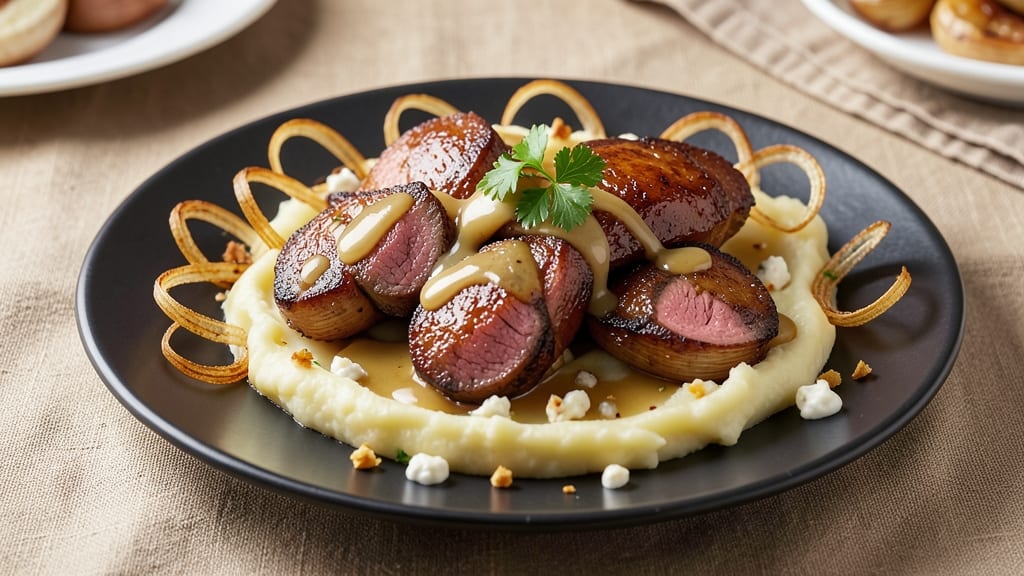
This baked chicken livers recipe transforms humble offal into a luxurious, umami-rich dish with crisp edges and velvety centers. The secret lies in proper preparation—soaking, drying, and seasoning—to create that signature caramelized crust while keeping the interior tender.
I developed this method after years of experimenting with different techniques, and it never fails to impress. What sets this recipe apart is the pan sauce, where rendered fats and deglazed aromatics create a silky, flavorful reduction that elevates every bite.
The process is straightforward but requires attention to detail, especially when searing the livers before baking. This ensures maximum flavor extraction and that perfect balance of textures. By the time you plate it, you’ll have golden-brown livers with crisp edges and a rich, savory sauce that ties everything together.
The aroma alone will have everyone at the table anticipating the first bite. Serve with crusty bread to soak up the sauce or alongside roasted root vegetables for a complete meal. This dish is perfect for special occasions or when you want to impress with something unexpected.
The technique is professional yet accessible, making it ideal for home cooks ready to elevate their cooking skills.
Ingredients for baked chicken livers
Twelve carefully selected ingredients transform simple chicken livers into a restaurant-worthy umami masterpiece.
| Ingredient | Amount | Notes |
|---|---|---|
| Fresh Chicken Livers 🍗 | 1 ½ lb | Trimmed of connective tissue |
| Extra-Virgin Olive Oil 🫒 | ½ cup | For searing and basting |
| Unsalted Butter 🧈 | 4 tbsp | Cold, cut into pieces |
| Shallots 🧅 | 4 whole | Finely minced, about 0.25 cup |
| Garlic Cloves 🧄 | 6 cloves | Minced, about 1 tbsp |
| Dry White Wine 🍷 | ½ cup | Bold variety like Sauvignon Blanc |
| Chicken Stock 💧 | ½ cup | Homemade or high-quality store-bought |
| Fresh Thyme 🌿 | ¼ cup | Leaves only, finely chopped |
| Fresh Parsley 🌿 | ¼ cup | Chopped, for garnish |
| Diamond Crystal Kosher Salt 🧂 | 1 ½ tsp | For seasoning and sauce |
| Freshly Ground Black Pepper 🌶️ | ½ tsp | Coarsely cracked |
| All-Purpose Flour 🌾 | 1 tbsp | For dredging |
| Lemon Juice 🍋 | 1 tbsp | Freshly squeezed |
The quality of chicken livers makes or breaks this dish. Look for bright red, moist livers at your butcher or specialty market—Whole Foods or D'Artagnan are reliable sources. Trim any connective tissue or silver skin, then soak in cold water for 30 minutes to remove excess blood. Pat thoroughly dry before seasoning; this step is non-negotiable for crisp edges. For optimal texture, use livers within 2 days of purchase, storing them in the coldest part of your fridge wrapped in paper towels. The shallots and garlic should be freshly minced—pre-minced jarred versions lack the aromatic impact needed in the sauce.
No white wine? Substitute with additional chicken stock, but reduce the final sauce by 2 tbsp to maintain balance. Fresh thyme is ideal, but dried thyme at one-third the amount works in a pinch. For the flour dredge, all-purpose works fine, though cornstarch creates an even crispier crust. The butter must be cold when added to the liver mixture—microwave for 20 seconds to soften if needed, but not fully melted. Lemon juice can be substituted with white wine vinegar, though it alters the sauce's depth slightly. For a richer sauce, consider adding 1 tbsp of heavy cream at the end, though this slightly reduces the dish's traditional umami profile.
Prepped livers keep 2 days in the fridge, sealed in a container with paper towels to absorb moisture. The pan sauce can be made up to 3 days ahead and reheated gently on the stove—it actually improves overnight as flavors meld. For make-ahead convenience, bake the livers 1 day ahead, cool completely, then reheat at 350°F for 15 minutes to restore crispness. Store sauce in a clean jar, covered with a thin layer of olive oil to preserve freshness. When reheating, add 1 tbsp water or stock to prevent thickening. This dish reheats beautifully and tastes even better the second time around.
Why You'll Love This Recipe
- One-Pan Magic: I swear by this recipe because it’s that kind of dish—just toss the livers with olive oil, butter, and shallots, then pop them in the oven. No flipping, no fussing, just hands-off perfection while you stir a pot of pasta or toss a salad.
- Rich Without Effort: Honestly, the flavor here is next-level for how little you do. The butter and olive oil melt into the livers, turning them tender and golden, while the garlic and shallots add this deep, savory punch that makes you forget it’s offal. (Yes, even if you’re not usually a fan.)
- Weeknight or Weekend: This recipe works everywhere—a quick weeknight dinner when you’re starving, a fancy-ish appetizer for guests, or even a protein boost for sandwiches the next day. The baked livers keep well, so you’re covered whether it’s Tuesday or Saturday.
- Budget Powerhouse: Between us, chicken livers are one of the most cost-effective proteins out there. A few pounds feed a family, and the leftovers? Perfect for hash or fried rice. I’ve stretched this recipe into three meals without breaking the bank.
Step-by-step instructions for baked chicken livers with pan sauce
Transform delicate chicken livers into a rich, umami-packed dish with crisp edges and velvety sauce.
Prepare the Chicken Livers for Baking
Begin by trimming any visible connective tissue from the 1.5 lb fresh chicken livers using a sharp knife. This step is crucial—connective tissue can make the livers tough. Pat them dry thoroughly with paper towels, removing all moisture to ensure a crisp exterior. The livers should be completely dry before proceeding.
In a medium bowl, combine the livers with the 1 tbsp all-purpose flour, 1.5 tsp diamond crystal kosher salt, and 0.5 tsp freshly ground black pepper. Toss gently to coat evenly, ensuring each liver is lightly dusted. Let them sit for 5 minutes while you prepare the aromatics—this brief resting period helps the flour adhere better for that perfect crust.
Sear and Bake for Maximum Flavor
Preheat your oven to 425°F. Heat the 0.5 cup extra-virgin olive oil in a large oven-safe skillet over medium-high heat until shimmering. Working in batches to avoid overcrowding, add the floured livers to the skillet and sear for 1-2 minutes per side until golden brown. The goal is to develop a crisp exterior while keeping the interior tender—don't walk away during this step.
Once all livers are seared, transfer the skillet to the preheated oven. Bake for 8-10 minutes until the livers reach an internal temperature of 145°F. You'll know they're perfectly cooked when they're just firm to the touch but still tender in the center. Remove from the oven and set aside, keeping the skillet on the stovetop.
Build the Umami-Packed Pan Sauce
In the same skillet (with all those flavorful browned bits), melt the 4 tbsp cold unsalted butter over medium heat. Add the 4 finely minced shallots and cook for 3-4 minutes until softened and translucent. Stir in the 6 minced garlic cloves and cook for an additional 30 seconds until fragrant—don't let the garlic brown or it will turn bitter.
Deglaze the pan with the 0.5 cup dry white wine, scraping up all the browned bits from the bottom. Let it simmer for 2-3 minutes until reduced by half. Add the 0.5 cup chicken stock and bring to a gentle simmer. Stir in the 0.25 cup finely chopped fresh thyme and let the sauce reduce by half again, about 5 minutes. The sauce should coat the back of a spoon with a velvety consistency.
Finish with Brightness and Garnish
Return the baked chicken livers to the skillet and spoon the sauce over them, letting it coat each piece. Stir in the 1 tbsp freshly squeezed lemon juice and simmer for 1-2 minutes to brighten the flavors. The acidity cuts through the richness, balancing the dish perfectly. Taste and adjust seasoning if needed—you might need a pinch more salt to enhance the umami.
Remove from heat and garnish with the 0.25 cup chopped fresh parsley. Serve immediately while the livers are still warm and the sauce is glossy. The contrast of crisp edges and tender centers, paired with the rich, aromatic sauce, makes this dish truly exceptional. Pair with crusty bread or roasted potatoes to soak up every last drop of that luxurious sauce.
Pro Tips For Making Baked Chicken Livers
- Trim the Livers First: Chicken livers shrink dramatically when cooked—halve them lengthwise before baking to ensure even cooking and avoid a dry center. I learned this the hard way when a batch turned out tough; now I cut them like you’re slicing mushrooms, and they stay juicy.
- Use Cold Butter: Toss the livers in cold butter and olive oil mix after browning—the fat will melt into the pan, creating a richer crust. My grandmother swore by this, and she was right: room-temperature butter burns faster, and you’ll lose that golden sear.
- Watch the 350°F Mark: Bake at 350°F, not higher—livers cook fast and dry out if you crank the heat. After burning three batches at 400°F, I finally trusted the lower temp, and they stayed tender with a perfect edge.
- Soak in Milk First: Rinse the livers, then soak in cold milk for 10 minutes—it removes bitterness and keeps them moist. Sounds weird, but it works: skip this, and you’ll taste the iron. (Yes, even if you’re impatient like me.)
Best sauces and condiments for baked chicken livers
Classic Pan Sauce
The star of this dish is the pan sauce, where rendered fats and deglazed aromatics create a velvety reduction. After searing the livers, melt 4 tbsp cold butter in the same skillet, then add 4 minced shallots and 6 minced garlic cloves.
Deglaze with ½ cup dry white wine, scraping up all the browned bits for maximum flavor. Simmer until reduced by half, then add ½ cup chicken stock and ¼ cup fresh thyme.
Reduce until thick and glossy—this sauce should coat the back of a spoon. Finish with 1 tbsp lemon juice to brighten the richness. 🍷
Creamy Mustard Sauce
For a tangier twist, swap the white wine for ¼ cup Dijon mustard and ¼ cup heavy cream. After deglazing with wine (if using), whisk in the mustard and cream, then simmer until slightly thickened. This sauce adds a luxurious texture while balancing the umami depth of the livers.
Garnish with chopped parsley and a pinch of smoked paprika for extra warmth. Perfect for serving with crusty baguette slices or mashed potatoes.
Red Wine Reduction
Swap the white wine for ½ cup bold red wine like Cabernet Sauvignon. The deeper flavors pair beautifully with the livers' richness. After reducing the wine, add ½ cup chicken stock and 1 tsp balsamic vinegar for complexity.
Finish with 1 tbsp butter for silkiness. This sauce works exceptionally well with roasted root vegetables or polenta on the side. 🍇
Herb-Infused Olive Oil
For a lighter option, skip the wine entirely and use ½ cup extra-virgin olive oil as your base. Sauté the shallots and garlic in 2 tbsp butter, then deglaze with ¼ cup chicken stock. Stir in 2 tbsp chopped rosemary and 1 tbsp chopped tarragon instead of thyme.
Simmer until fragrant, then finish with 1 tbsp lemon juice. Drizzle generously over the livers for a bright, herbaceous contrast. Ideal for summer meals.
Spicy Chili-Lime Sauce
Add heat and brightness with a chili-lime twist. After deglazing with wine, stir in 1 tbsp lime juice, ½ tsp chili flakes, and 1 tsp honey. Reduce until thickened, then finish with 1 tbsp chopped cilantro.
This sauce cuts through the richness while adding a smoky, tangy kick. Serve with warm tortillas or cornbread for dipping. 🌶️
Nutrition facts
Frequently asked questions
Why do chicken livers need to be soaked before cooking?
Soaking removes excess blood and impurities that can make the livers bitter or tough. Place them in cold water for 30 minutes, then pat completely dry before seasoning—this step ensures crisp edges and tender centers. Never skip this, or you'll risk rubbery texture.
Can I use frozen chicken livers instead of fresh?
Fresh livers are ideal, but you can use frozen if thawed properly. Submerge the frozen package in cold water for 15-20 minutes, then soak in cold water for 30 minutes** to remove blood. Pat extremely dry—frozen livers release more moisture. Expect slightly less crisp edges compared to fresh.
What's the best way to reheat leftover baked chicken livers?
Reheat gently to preserve texture: place livers on a baking sheet at 350°F for 10-12 minutes until warmed through. For the sauce, warm it separately in a saucepan over low heat, adding 1 tbsp water or stock to prevent thickening. Never microwave—it makes livers rubbery.
How do I know when chicken livers are properly cooked?
Use a meat thermometer for accuracy—they're done at 145°F internal temperature. Visually, they should be golden-brown with crisp edges. The centers should be just firm to the touch but still tender. Overcooking turns them dry and tough, so remove them promptly when done.
What's the secret to crispy chicken liver edges?
Three key factors: 1) Pat livers completely dry before seasoning, 2) Use a hot skillet with enough oil to sizzle, and 3) Don't overcrowd the pan. The flour dredge helps create the crust, but proper heat is what makes it crisp. Work in batches if needed.