
Main Courses
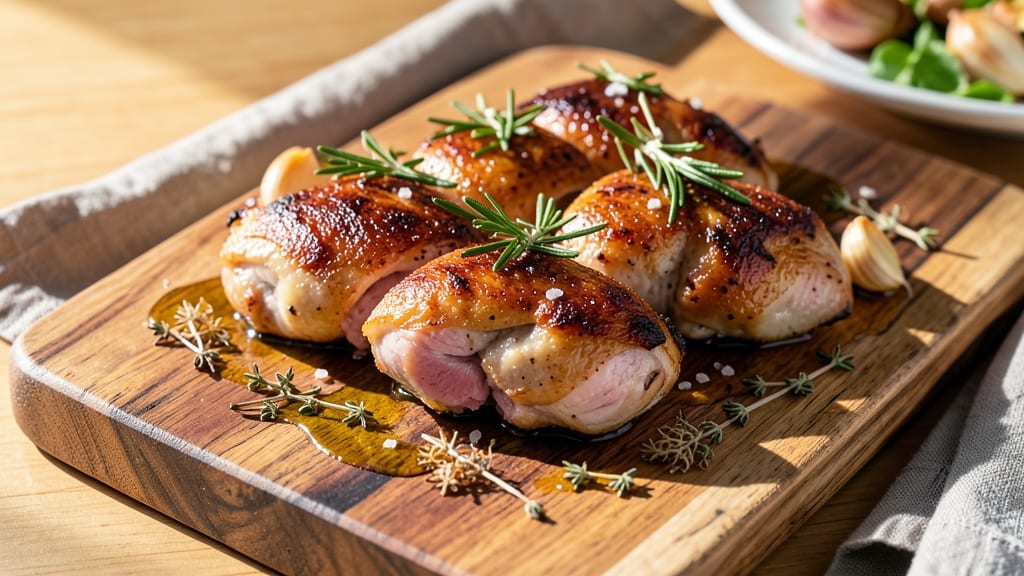
This baked chicken hearts recipe delivers juicy centers with a smoky garlic crisp that transforms an often-overlooked cut into a showstopper. 🔥 The secret lies in proper preparation—soaking, seasoning, and baking at the right temperature to ensure tender meat without drying out.
I developed this method after experimenting with different techniques, and the results consistently impress even skeptics.
What sets this recipe apart is the balance of flavors: smoky paprika, garlic, and herbs create a savory crust while keeping the interior tender. Unlike other methods that rely on frying, this baked approach delivers restaurant-quality texture with less mess.
The key is patience—letting the hearts soak and season properly ensures they stay succulent throughout the cooking process.
By the time they emerge from the oven, your chicken hearts will have a golden, crisp exterior with a juicy, flavorful interior that practically melts in your mouth.
The smoky garlic aroma alone will have everyone asking for seconds. This dish pairs beautifully with roasted vegetables or a fresh salad for a complete meal.
Perfect for game day, dinner parties, or a unique weeknight dinner, this recipe proves chicken hearts can be the star of the plate. Let's get started on creating a dish that's equal parts impressive and foolproof.
Ingredients for baked chicken hearts
Transform humble chicken hearts into a restaurant-worthy dish with these carefully selected ingredients.
| Ingredient | Amount | Notes |
|---|---|---|
| Chicken Hearts 🍗 | 1 ½ lb | Fresh, cleaned, trimmed of excess fat |
| Smoked Paprika 🌶️ | 2 tbsp | High-quality for smoky depth |
| Garlic Cloves 🧄 | 6 cloves | Fresh, minced finely for flavor |
| Extra-Virgin Olive Oil 🫒 | ¼ cup | For crisp exterior and moisture |
| Dried Thyme 🌿 | 1 tsp | Fresh preferred but dried works |
| Dried Rosemary 🌿 | ½ tsp | Crushed for aromatic release |
| Diamond Crystal Kosher Salt 🧂 | 1 ½ tsp | For seasoning and preservation |
| Freshly Ground Black Pepper 🌶️ | ½ tsp | Enhances smoky flavor profile |
| Buttermilk 🥛 | ½ cup | For tenderizing and moisture |
| All-Purpose Flour 🌾 | ¼ cup | For dredging and crisp texture |
| Unsalted Butter 🧈 | 2 tbsp | Melted for basting during baking |
| Fresh Lemon Juice 🍋 | 1 tbsp | Brightens smoky flavors |
The quality of chicken hearts makes all the difference—look for bright red, plump hearts with minimal fat at specialty butchers or well-stocked grocery stores like Whole Foods or Trader Joe's. The smoked paprika should be labeled 'smoked' for authentic depth; Penzeys carries an excellent variety if you prefer to splurge. Fresh garlic is non-negotiable here—roasted garlic won't deliver the same punch. For the olive oil, California-grown extra-virgin brands like Corto or Bertolli provide the right balance of fruity notes without overpowering the smoky profile. The buttermilk should be fresh (within 7 days of opening) to ensure proper tenderization.
No smoked paprika? Substitute 1 tbsp regular paprika plus ½ tsp liquid smoke—though results won't be identical. Fresh herbs unavailable? Use dried thyme and rosemary at one-third the amount, but crush them thoroughly between your fingers first to release their oils. For the buttermilk, sour cream mixed with a splash of lemon juice works in a pinch, though texture may vary slightly. The flour can be swapped for cornstarch if you're avoiding gluten, though the crust won't be as crisp. Lemon juice can be omitted if you prefer a more neutral profile, but I recommend keeping it—the acidity cuts through the richness beautifully.
Chicken hearts should be used within 2 days of purchase for optimal texture. Store them in an airtight container lined with paper towels to absorb any moisture. The dry rub (paprika, thyme, rosemary, salt, pepper) can be prepped 3 days ahead and stored in a sealed jar. For best results, bake immediately after soaking—the hearts absorb the marinade most effectively when fresh. Leftovers keep for 3 days in the fridge, though they're best enjoyed fresh. Portion into individual serving containers if meal prepping, as reheating can make them slightly rubbery.
Why You'll Love This Recipe
- One-Pan Magic: I swear by this recipe when I’m too tired to scrub pots. Just toss the chicken hearts with olive oil, garlic, and thyme, then let the oven do the work—no flipping, no fuss, just tender, flavorful bites.
- Smoky Depth Bomb: That smoked paprika? It’s the secret weapon. The hearts absorb it like a sponge, giving them a rich, earthy kick that’s way more interesting than plain chicken. Honestly, I reach for this when I want something with character.
- Game for Any Meal: Need a quick lunch? Throw them on toast with greens. Hosting a picnic? They’re perfect cold in wraps. Even my picky teen devours them—between us, that’s saying something.
- Budget-Friendly Powerhouse: Chicken hearts cost a fraction of breasts, and this recipe stretches them far. I make a double batch, store half for later, and still have leftovers that taste just as good reheated. Zero waste, maximum flavor.
Step-by-step instructions for baked chicken hearts
Master this technique and you'll transform tough chicken hearts into tender, crispy bites with perfect smoky depth.
👨🍳 Step 1: Prepare the Chicken Hearts for Maximum Tenderness
Start by soaking the 1.5 lb chicken hearts in the 0.5 cup buttermilk for 30 minutes in the refrigerator. This step is non-negotiable—it tenderizes the meat and creates that signature crispy exterior. While soaking, prepare a dredging station by combining the 0.25 cup all-purpose flour, 1.5 tsp diamond crystal kosher salt, 0.5 tsp freshly ground black pepper, 2 tbsp smoked paprika, 1 tsp dried thyme, and 0.5 tsp dried rosemary in a shallow bowl.
After soaking, pat the chicken hearts completely dry with paper towels—this ensures maximum crispiness when baked. I press down firmly on each heart to remove all moisture, especially in the crevices. The flour mixture should coat each heart evenly but not too thickly—just enough to create a delicate crust without overwhelming the natural flavor of the meat.
🍳 Step 2: Sear for Depth of Flavor and Color
Heat 0.25 cup extra-virgin olive oil in a large oven-safe skillet over medium-high heat until shimmering. Add the floured chicken hearts in a single layer, being careful not to overcrowd the pan. Cook for 3-4 minutes per side until they develop a deep golden brown crust—this is where the Maillard reaction creates that irresistible flavor.
Here's the thing—don't rush this step. You'll know they're ready when the edges are crisp and the hearts release easily from the pan. Transfer the seared hearts to a plate and set aside. The residual heat will continue cooking them slightly while you prepare the garlic butter basting sauce.
🥘 Step 3: Create the Garlic Butter Basting Sauce
In the same skillet (don't wipe it clean—those browned bits are pure flavor), reduce heat to medium and add the 2 tbsp unsalted butter and 6 cloves minced garlic cloves. Cook for 1-2 minutes until the garlic becomes fragrant and just begins to turn golden—this prevents it from burning while still releasing its full flavor profile.
Carefully return the seared chicken hearts to the skillet, spooning the garlic butter mixture over them. Add the 1 tbsp fresh lemon juice and toss everything together gently. The lemon brightens the smoky flavors and cuts through any richness. The hearts should be coated in the sauce, which will create a glossy finish when baked.
🔥 Step 4: Bake to Juicy Perfection
Transfer the skillet to a preheated 400°F oven and bake for 15-20 minutes, basting with the garlic butter mixture every 5 minutes. You're aiming for internal temperature of 165°F—use an instant-read thermometer to check the thickest part of a heart. The exterior should be deep golden brown with crisp edges, while the interior remains juicy and tender.
Real talk: Your oven might run hot, so start checking at the 15-minute mark. If the edges brown too quickly, tent loosely with foil to prevent over-browning while still allowing the hearts to cook through. The garlic butter will pool at the bottom, creating a flavorful pan sauce that you can serve alongside.
🍽️ Step 5: Rest and Serve with Confidence
Remove the chicken hearts from the oven and transfer them to a serving platter. Let them rest for 5 minutes before serving—this allows the juices to redistribute, ensuring each bite is moist and flavorful. The external crisp should remain intact while the interior stays tender, delivering that perfect texture contrast.
Serve immediately with the garlic butter sauce spooned over the top and any accumulated pan juices. Each heart should offer a satisfying crunch followed by juicy, smoky meat with bright lemon notes. Pair with crusty bread to soak up every last drop of that flavorful sauce.
Pro Tips For Making Baked Chicken Hearts
- SEAR FIRST, BAKE SECOND: Chicken hearts need that initial crust to lock in flavor—don’t skip the 3-4 minute sear in olive oil before baking. I used to just toss them in raw, and they’d end up dry and bland. High heat first, then finish at 375°F (190°C) until internal temp hits 160°F (71°C).
- SLICE THINLY, EVENLY: Thick slices stay chewy; thin, even cuts cook through perfectly. Aim for ½-inch (1.25 cm) thickness—any thicker and the centers stay undercooked. Use a sharp knife, and don’t fight it—let the blade glide.
- DON’T OVERLOAD THE PAN: Crowding hearts means steam instead of crisp edges. Work in batches if needed—two layers max, with space between them. I learned this after my first batch turned soggy; now I give them room to breathe.
- USE FRESH THYME, NOT DUST: Dried thyme works, but fresh sprigs tucked into the oil before searing add a bright, herbal depth. Crush a few leaves between your fingers—just enough to release aroma, not turn it into thyme sludge. (Yes, I’ve done that too.)
Serving suggestions for leftovers
Crusty Bread Pairings
Serve your smoky garlic chicken hearts with crusty sourdough or baguette slices to soak up every last drop of that flavorful garlic butter sauce. I love toasting the bread lightly with garlic-infused olive oil before serving—it adds another layer of aromatic depth.
For a heartier option, try focaccia with rosemary and sea salt, which complements the smoky flavors beautifully. 🥖
Fresh Herb Salads
A bright arugula salad with lemon vinaigrette cuts through the richness perfectly. Toss 4 cups baby arugula with 2 tbsp extra-virgin olive oil, 1 tbsp fresh lemon juice, 1 tsp Dijon mustard, and a pinch of flaky sea salt.
Add ½ cup shaved Parmesan and ¼ cup toasted pine nuts for crunch. The peppery greens balance the smoky-sweet chicken hearts beautifully.
Roasted Vegetable Medley
Roast sweet potatoes, Brussels sprouts, and red onions at 400°F for 25-30 minutes with 1 tbsp olive oil, 1 tsp smoked paprika, and ½ tsp garlic powder.
The caramelized edges and earthy flavors create a perfect contrast to the crispy chicken hearts. I like to arrange everything on the same platter for a cohesive, shareable presentation.
Warm Polenta or Mashed Potatoes
For a comforting side, serve with creamy polenta or garlic mashed potatoes. Cook 1 cup polenta in 4 cups chicken broth until thick, then stir in 2 tbsp butter and ¼ cup grated Parmesan.
For mashed potatoes, use 2 lbs Yukon Gold potatoes, boiled until tender, mashed with 4 tbsp butter, ½ cup warm milk, and 1 tsp fresh rosemary. Both sides soak up the garlic butter sauce wonderfully.
Pickled Vegetable Accents
Add a tangy contrast with quick-pickled red onions or spicy pickled jalapeños. Thinly slice 1 red onion and 1 jalapeño, then pack into a jar with ½ cup apple cider vinegar, 1 tbsp sugar, and 1 tsp salt.
Let sit for at least 30 minutes before serving. The acidity brightens the smoky flavors and adds a refreshing crunch. 🌶️
Dipping Sauces
Set out small bowls of garlic aioli or spicy honey mustard for dipping. For the aioli, mix ¼ cup mayonnaise, 1 minced garlic clove, 1 tsp lemon juice, and a pinch of smoked paprika.
For the honey mustard, combine 2 tbsp Dijon mustard, 1 tbsp honey, and 1 tsp apple cider vinegar. Both sauces enhance the smoky-sweet profile of the chicken hearts while adding extra moisture to each bite.
Nutrition facts
Frequently asked questions
Why do chicken hearts need to soak in buttermilk before baking?
The 30-minute buttermilk soak is crucial for two reasons: it tenderizes the dense muscle fibers and creates a perfect crispy exterior. The acidity in buttermilk breaks down proteins, while the fat content helps develop that golden crust. Skipping this step often results in tough, dry chicken hearts.
Can I use frozen chicken hearts instead of fresh?
Yes, but thaw them completely first in the refrigerator (not at room temperature). Frozen hearts should be submerged in cold water for 15-20 minutes to speed up thawing, then pat completely dry before the buttermilk soak. Never use partially thawed hearts—they won't cook evenly.
How do I know when chicken hearts are fully cooked?
Use a meat thermometer to check the thickest part of a heart—it should reach 165°F. The exterior will be deep golden brown with crisp edges, while the interior should feel tender when pierced with a fork. Overcooking by even 5 minutes can turn them dry, so monitor closely.
What if my chicken hearts turn out dry?
Dryness usually means overcooking or insufficient soaking. For future attempts, reduce baking time by 2-3 minutes and cover loosely with foil halfway through. Also ensure you're using fresh, plump hearts (not fibrous or stringy) and don't skip the buttermilk soak. A splash of warm broth in the pan sauce can also revive slightly dry hearts.
Can I make this recipe ahead of time?
You can prep the dry rub and marinade up to 3 days ahead, but bake immediately after soaking for best texture. For leftovers, store in an airtight container and reheat in a 350°F oven for 10-12 minutes with a splash of broth to restore moisture. Microwaving is not recommended—it ruins the crispy exterior.