
Main Courses
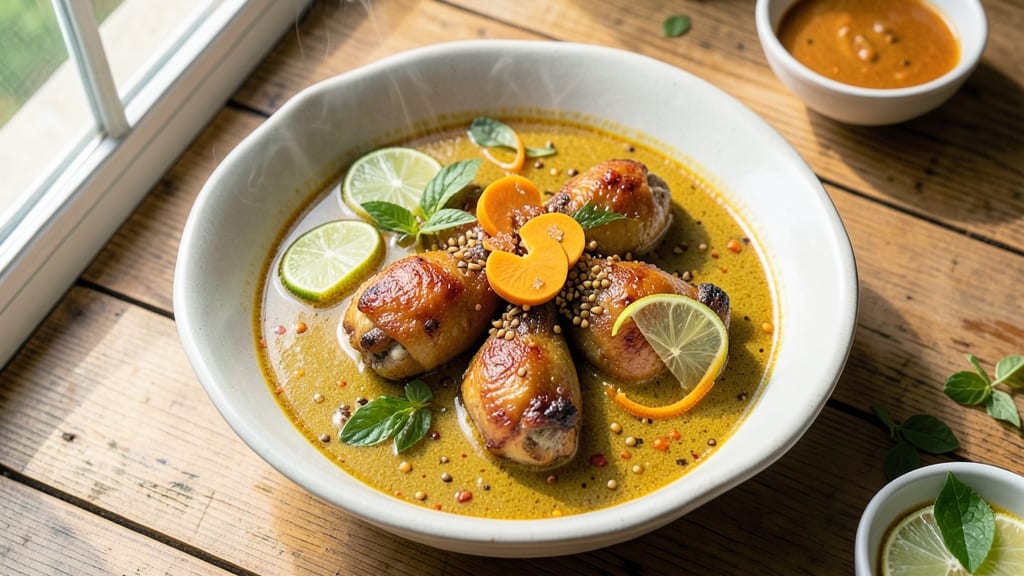
This authentic Thai yellow chicken curry transports you straight to Bangkok with its vibrant turmeric hue and complex spice harmony.
The secret lies in balancing sweet, sour, and spicy flavors through precise techniques—like blooming whole spices in hot oil and reducing the coconut milk just enough to create a velvety, aromatic sauce. After years of refining this recipe, I've perfected the method to ensure every bite delivers that restaurant-quality depth.
The foundation of an authentic yellow curry begins with properly toasting spices—coriander, cumin, and turmeric—until their oils are released, creating layers of aroma that form the heart of this dish.
Chicken is marinated in a tangy mixture of lime juice, fish sauce, and palm sugar, ensuring it stays tender while absorbing the vibrant flavors. The sauce then simmers low and slow, allowing the coconut milk to reduce into a rich, fragrant base that coats each piece of chicken perfectly.
What makes this curry truly special is its balance—sweet from palm sugar, tangy from lime, and just enough heat to wake up your palate. The result is a dish that's creamy yet light, aromatic yet not overpowering, with chicken that falls apart at the touch of a fork.
Serve it over steamed jasmine rice to soak up every last drop of that golden, spice-infused sauce.
For an even more authentic experience, pair it with a simple cucumber salad dressed in lime and chili to cut through the richness. This recipe delivers the full flavor profile of a Bangkok street-side curry, but with the convenience of a home kitchen. Let's get cooking!
Ingredients for authentic thai yellow chicken curry
These vibrant ingredients bring Bangkok's golden curry to your kitchen table.
| Ingredient | Amount | Notes |
|---|---|---|
| Boneless Chicken Thighs 🍗 | 1 ½ lb | Cut into 1-inch pieces |
| Coconut Milk 🥥 | 1 can | Full-fat, 13.5 oz can |
| Fish Sauce 🍶 | 2 tbsp | Red Boat brand preferred |
| Palm Sugar 🍯 | ¼ cup | Or substitute brown sugar |
| Lime Juice 🍋 | ¼ cup | Freshly squeezed |
| Fresh Turmeric Root 🧅 | 1 oz | Grated, about 2 tbsp |
| Fresh Galangal 🌿 | 1 oz | Peeled and sliced, about 1/4 cup |
| Garlic Cloves 🧄 | 6 cloves | Minced finely |
| Shallots 🧅 | ¼ cup | Finely chopped |
| Coriander Seeds 🌶️ | 1 tbsp | Toasted until fragrant |
| Cumin Seeds 🌶️ | 1 tsp | Toasted until fragrant |
| White Peppercorns 🌶️ | ½ tsp | Crushed lightly |
| Kaffir Lime Leaves 🍋 | 2 whole | Torn into strips |
| Vegetable Oil 🫒 | 2 tbsp | For blooming spices |
| Salt 🧂 | 1 tsp | Kosher or sea salt |
The spices are the soul of this curry. Toast coriander and cumin seeds in a dry pan until fragrant—this releases their essential oils and deepens the flavor. For the best quality, buy whole spices from a specialty store like Spicewalla or the bulk bins at Whole Foods. Fresh turmeric and galangal are non-negotiable for authenticity, though you can substitute 1 tbsp ground turmeric and 1 tsp galangal powder if needed. The chicken thighs should be bone-in for flavor, but boneless works too—just don't overcook them. Red Boat fish sauce is the gold standard here, but any good-quality brand will work.
No galangal? Substitute 1 tbsp fresh ginger—it's not identical, but it bridges the flavor gap. Running short on kaffir lime leaves? Double the lime juice and add a pinch of salt to mimic their citrusy aroma. The palm sugar can be swapped for brown sugar, but it won't have that same caramel depth. For the coconut milk, full-fat is essential—it creates that velvety texture. If you only have light coconut milk, reduce it first to thicken it up. The shallots should be finely chopped—almost paste-like—for a smooth sauce. And trust me on the white peppercorns—black pepper won't give you that same subtle warmth.
This curry tastes even better the next day as the flavors meld. Store leftovers in an airtight container in the fridge for up to 4 days, or freeze for 3 months in portion-sized containers. The sauce thickens as it cools, so add a splash of water or coconut milk when reheating. For meal prep, make the sauce base ahead and store it separately from the chicken—reheat the sauce first, then add the chicken to warm through. The spices lose potency after 3 months, so toast fresh batches whenever you notice a dull aroma in your spice rack.
Why You'll Love This Recipe
- One-Pot Magic: I swear by this recipe—just toss everything into a single pot and let it simmer. No fancy techniques, no extra dishes, and honestly? That rich coconut-fish sauce base does all the heavy lifting while you sip your tea.
- Taste Like a Trip: The moment that balance of salty fish sauce, sweet palm sugar, and bright lime hits your tongue? Pure satisfaction. It’s creamy but never heavy, with that just-right tang that makes you want to lick the bowl.
- Leftovers That Shine: This curry actually improves the next day. The flavors meld into something even deeper, and it reheats like a dream. I’ve taken it to work lunches, packed it for picnics—it’s my secret weapon for lazy afternoons.
- Budget-Friendly Luxury: Chicken thighs stay tender without breaking the bank, and a can of coconut milk stretches across multiple meals. Between us, this is the kind of dish that makes you feel fancy without the grocery bill to prove it.
Step-by-step instructions for authentic Thai yellow chicken curry
Master the balance of fragrant spices and creamy coconut for restaurant-quality curry at home.
Prepare and Toast the Spice Base
Heat the 2 tablespoons vegetable oil in a heavy-bottomed pot over medium heat. Add the 1 tablespoon coriander seeds and 1 teaspoon cumin seeds, stirring constantly for 1-2 minutes until they release their aromatic oils and begin to sizzle. You'll notice the kitchen filling with warm, earthy fragrance—this is the foundation of your curry's depth.
Immediately add the 0.25 cup finely chopped shallots and cook for 2 minutes until softened but not browned. Stir in the 6 cloves minced garlic, 1 ounce grated fresh turmeric root, and 1 ounce sliced fresh galangal, cooking for another 1-2 minutes until the raw smell disappears. The turmeric will give the curry its signature golden hue while the galangal adds that distinctive citrusy bite. Watch the spices carefully—they should bloom but not burn.
Build the Curry Paste and Cook the Chicken
Reduce heat to medium-low and add the 1 teaspoon salt and 0.5 teaspoon crushed white peppercorns. Stir in the 1.5 pounds boneless chicken thighs cut into 1-inch pieces, coating them thoroughly in the spice mixture. Cook for 5 minutes until the chicken develops a light golden crust and begins to release its juices.
This step is crucial for developing flavor—don't rush it. The chicken should sizzle gently in the spices, not stick. If it begins to brown too quickly, reduce heat slightly. The spices will adhere to the chicken, creating a flavorful crust that will infuse the coconut milk later.
Simmer with Coconut Milk and Balance Flavors
Pour in the 1 can full-fat coconut milk and stir gently to combine. The mixture will foam briefly as the coconut milk hits the hot spices. Bring to a gentle simmer over medium heat, then reduce to low heat and partially cover the pot. Let it cook for 20-25 minutes, stirring occasionally, until the chicken is tender and the sauce has thickened slightly.
Here's where the authentic balance comes in: taste the sauce and adjust seasoning. Add 1 tablespoon fish sauce at a time until the flavors are properly salty and umami-rich. If the curry needs sweetness, add 1 tablespoon palm sugar at a time. The sauce should coat the back of a spoon with a velvety texture but not be gluey.
Finish with Aromatics and Lime
Tear the 2 whole kaffir lime leaves into strips and add them to the pot along with the 0.25 cup freshly squeezed lime juice. Simmer for 5-7 minutes to allow the lime to brighten the flavors and the kaffir lime leaves to perfume the curry. The lime juice will prevent the coconut from becoming overly rich while adding that signature Thai tang.
Taste again and make final adjustments—another touch of fish sauce for saltiness, a pinch more palm sugar for sweetness, or a splash of water if the sauce is too thick. The curry should be balanced with layers of spice, sweetness, sourness, and umami. Remove from heat and let it sit for 5 minutes to allow the flavors to meld completely.
Pro Tips For Making Authentic Thai Yellow Chicken Curry
- Bloom the Paste First: I learned this the hard way—skipping the paste blooming step means your curry will taste flat. Heat your paste (turmeric, coriander, lemongrass, galangal, shallots) in oil on medium-low for 5-7 minutes until fragrant and slightly darkened. This unlocks the flavors before adding coconut milk.
- Use Two Cans of Coconut Milk: Thai curries need richness, but one can often feels skimpy. Split the first can into two batches: simmer half with the paste until reduced by a third, then add the second can. This balances creaminess with depth—no thin, watery mess.
- Salt the Chicken Before Browning: Fish sauce is salty, but chicken needs its own seasoning first. Pat thighs dry, season generously with salt, and let sit 10 minutes before searing. This ensures the meat stays juicy and absorbs flavors evenly—no dry, rubbery bites.
- Finish with Lime and Sugar Together: Adding lime juice too early curdles the coconut milk. Instead, stir in both lime juice and palm sugar at the very end, letting them mingle for 30 seconds. This brightens the curry without breaking the emulsion—simple, but makes a real difference.
Best sauces and condiments for this recipe
Spice Paste Essentials
For authentic Thai yellow curry, the spice paste is non-negotiable.
I always make a small batch of Thai yellow curry paste (about 2 tablespoons) using 1 tsp coriander seeds, ½ tsp cumin seeds, 1 tbsp fresh turmeric root, 1 tsp galangal, 2 garlic cloves, and 1 shallot.
Toast the spices in 1 tbsp coconut oil until fragrant, then blend with a splash of water until smooth. This paste is the flavor bomb of your curry. 🌶️
Coconut Milk Options
Full-fat coconut milk is a must for that creamy, velvety texture. I prefer Thai Kitchen brand for its rich, unctuous quality. For extra authenticity, use coconut cream (the thick part from a can of coconut milk) instead of the watery coconut milk.
Simmer it longer to reduce and intensify the flavor. If you only have light coconut milk, reduce it first by simmering uncovered for 10-15 minutes until thickened.
Fish Sauce Balance
Red Boat fish sauce is my go-to for that perfect umami depth. Start with 2 tbsp and adjust to taste—it’s salty, so go slow. If your fish sauce tastes overly fishy, let it sit open in the fridge for 24 hours to mellow the flavor. For a vegetarian version, substitute with 2 tbsp soy sauce plus 1 tsp miso paste for umami richness. The key is balance: the sauce should taste complex, not one-dimensional.
Sweet-Sour Harmony
Palm sugar is the secret to authentic sweetness, but light brown sugar works in a pinch. For tang, freshly squeezed lime juice is essential—never bottled. If you can’t find kaffir lime leaves, double the lime juice and add ½ tsp salt to mimic their citrusy aroma.
The goal is a sauce that’s sweet, tangy, and aromatic, with just a hint of heat from the spices. Taste as you go—this is where the magic happens. 🍋
Finishing Touches
Fresh herbs elevate the dish to restaurant quality. Stir in 2 tbsp chopped cilantro or Thai basil at the end for brightness. For extra richness, add 1 tbsp toasted sesame oil or ½ tsp pandan extract (if you’re feeling adventurous).
A sprinkle of crushed peanuts or fried shallots adds texture. Serve immediately for the best flavor—this curry tastes even better the next day, but the herbs will wilt if left too long.
Nutrition facts
Frequently asked questions
Why does authentic Thai yellow curry have that bright golden color?
The vibrant hue comes from freshly grated turmeric root and proper spice toasting. Unlike ground turmeric, fresh root releases more vibrant pigments when cooked. Toasting the coriander and cumin seeds until fragrant also enhances the color while building deep aromatic layers. For best results, use fresh turmeric and toast spices in vegetable oil over medium heat for 1-2 minutes.
Can I substitute chicken breast for thighs in this recipe?
Yes, but with caution—chicken breast dries out more easily. Cut breasts into 1-inch pieces and cook them for only 3-4 minutes in the spice base before adding coconut milk. Use bone-in chicken if possible, as it stays juicier. For extra moisture, add 1 tablespoon coconut cream at the end of cooking. The result will be tender but slightly leaner than thigh meat.
What's the best way to store leftover yellow curry?
Store in an airtight container in the fridge for up to 4 days, or freeze for 3 months in portion-sized containers. The sauce thickens when chilled, so add 1-2 tablespoons water or coconut milk when reheating. For meal prep, separate the sauce and chicken—reheat the sauce first, then add chicken to warm through. The spices lose potency after 3 months, so toast fresh batches if your curry tastes dull.
How do I adjust the spice level if I'm sensitive to heat?
This recipe has mild heat from white peppercorns and galangal—skip the chili if you're avoiding spice entirely. For subtle warmth, add ½ teaspoon ground white pepper instead of whole peppercorns. If you want a little kick, stir in ½ teaspoon Thai bird's eye chili paste at the end. Taste as you go—the sauce should be aromatic without being fiery.
What's the secret to getting that perfect creamy texture?
Use full-fat coconut milk and reduce it gently over low heat for 20-25 minutes. For extra richness, replace ½ cup of the coconut milk with coconut cream (the thick part from a can). Avoid boiling—the sauce should simmer gently to prevent curdling. The key is patience: let the sauce thicken naturally as it cooks.