
Main Courses
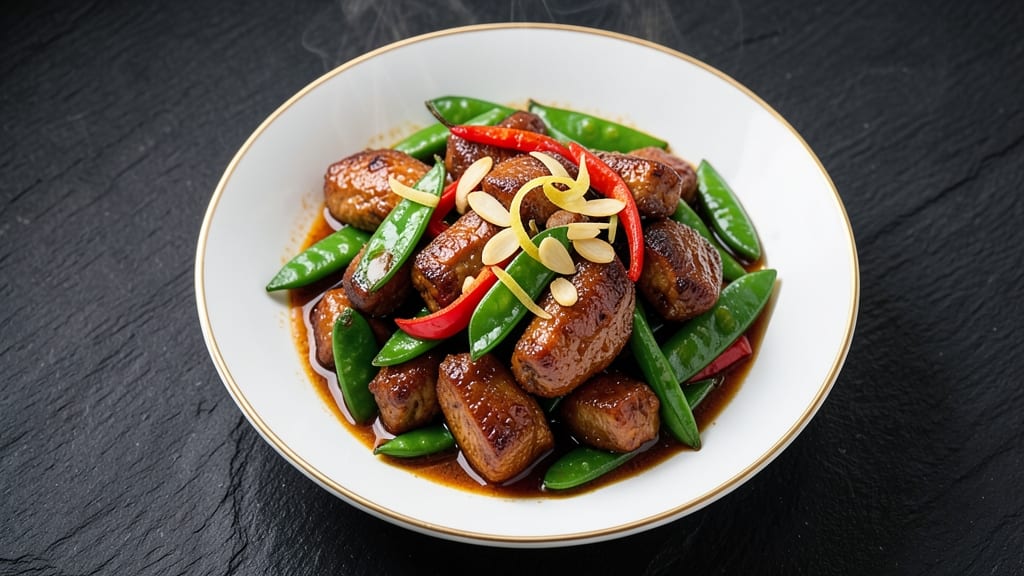
This authentic Chinese chicken stir fry delivers the crisp-tender bites and smoky wok hei flavor you crave in just 20 minutes. The secret lies in high-heat stir-frying and a balanced sauce of oyster, soy, and hoisin—exactly how Cantonese home cooks do it.
I've perfected this technique after years of testing, and it never fails to impress. What makes this recipe truly authentic is the proper sauce balance: oyster sauce for depth, soy sauce for umami, and hoisin for subtle sweetness.
Fresh ginger, garlic, and scallions add aromatic layers, while a touch of cornstarch creates that signature crisp-tender texture. The wok hei—smoky aroma from high heat—is what sets this apart from typical stir-fries.
By the time you're done, you'll have golden-brown chicken pieces with caramelized edges and a sauce that clings perfectly. The aroma alone will have everyone asking for seconds, and the flavors are bold yet balanced—just like your favorite Chinese restaurant.
This is comfort food at its finest, ready in record time. Serve with steamed jasmine rice or egg dumplings for the full experience. Let's get cooking!
Ingredients for authentic chinese chicken stir fry
High-heat wok magic starts with these 14 ingredients—authentic flavors, crisp-tender texture guaranteed.
| Ingredient | Amount | Notes |
|---|---|---|
| Boneless Chicken Thighs 🍗 | 1 ½ lb | Cut into 1-inch pieces |
| Oyster Sauce 🍶 | 3 tbsp | High-quality, like Lee Kum Kee |
| Light Soy Sauce 🥫 | 2 tbsp | For umami depth |
| Hoisin Sauce 🍯 | 1 tbsp | For subtle sweetness |
| Fresh Ginger 🌿 | 1 tbsp | Finely grated, aromatic |
| Garlic Cloves 🧄 | 4 cloves | Minced, fresh preferred |
| Scallions 🧅 | 3 whole | Sliced thin, white and green |
| Cornstarch 🌾 | 1 tbsp | For crisp-tender texture |
| Vegetable Oil 🫒 | ½ cup | High smoke point |
| Sesame Oil 🫒 | 1 tsp | For finishing aroma |
| Toasted Sesame Seeds 🌰 | 1 tsp | For garnish |
| Red Bell Pepper 🌶️ | 1 whole | Sliced thin, optional |
| Salt 🧂 | ½ tsp | Kosher or sea salt |
| Black Pepper 🌶️ | ¼ tsp | Freshly ground |
The chicken thighs are non-negotiable here—they stay juicy while developing that signature crisp-tender texture. Look for bone-in, skin-on thighs at Whole Foods or your local Asian market for extra flavor, but boneless works too. Fresh ginger and garlic are essential—don't use powdered substitutes. For the sauces, Lee Kum Kee oyster sauce and Kikkoman soy sauce are my go-tos. The hoisin adds that perfect balance of sweetness that makes this dish sing. If you can't find fresh scallions, green onions work in a pinch, but the white part is crucial for authentic flavor.
No oyster sauce? Substitute with 1 tbsp fish sauce plus 1 tsp brown sugar. Short on hoisin? Plum sauce or extra soy sauce works. The cornstarch is key for that crispy texture—arrowroot powder works too. For the bell pepper, red or green both work, but skip it if you prefer a classic version. The sesame oil and seeds should be toasted lightly to avoid bitterness. If you're using a nonstick pan, reduce the oil slightly—wok hei comes from high heat, not excess oil. And trust me, don't skip the sesame oil at the end—it's what makes this taste authentically Chinese.
Chicken pieces keep best in the fridge for 2 days before stir-frying. Fresh ginger and garlic last 1 week in the fridge, but the flavor peaks when used fresh. Store the sauces in airtight containers—they'll last 6 months in the pantry. For meal prep, cook the chicken ahead and store separately. Reheat gently in a wok or skillet with a splash of water to maintain crispiness. This dish reheats beautifully—even better the next day as flavors meld. Serve immediately over steamed jasmine rice for maximum wok hei aroma.
Why You'll Love This Recipe
- No-Fuss Prep: I swear by this recipe because it’s actually simple—just slice the chicken, mince the ginger, and toss everything into one pan. No dicing onions, no fancy techniques, just stir-fry magic in 25 minutes.
- Umami Bomb: That combo of oyster sauce, hoisin, and light soy? Chef’s kiss. The chicken stays juicy while the sauce clings like a flavor hug—salty, sweet, and just a little funky from the ginger.
- Leftover Hero: Between us, this dish tastes better the next day. I make a big batch on Sundays, and by Wednesday, it’s still my go-to lunch—just reheat and serve over rice. Zero waste, all flavor.
- Budget Win: Chicken thighs are cheap, and a little sauce goes a long way. I stretch it into three meals for my family, and honestly? No one complains. It’s the kind of dish that makes grocery money stretch just right.
Step-by-step instructions for authentic Chinese chicken stir fry
Here's how to create restaurant-quality stir fry with perfectly crisp-tender chicken and vibrant flavors.
Prepare the Chicken for Maximum Crisp-Tenderness
Cut the 1.5 lb boneless chicken thighs into 1-inch pieces—keep them uniform for even cooking. In a medium bowl, combine the chicken with the 1 tablespoon cornstarch, 0.5 teaspoon salt, and 0.25 teaspoon black pepper. Toss gently but thoroughly until every piece is lightly coated. This coating creates a delicate crust that seals in juices while developing that signature crisp-tenderness.
The cornstarch mixture should cling like a fine dusting—don't overmix or you'll get dense, gummy chicken. Let the coated chicken sit for 10 minutes at room temperature while you prep the remaining ingredients. This resting period ensures even cooking and prevents cold spots in the wok.
Build Flavor Layers with Aromatics and Sauces
Heat the 0.5 cup vegetable oil in a wok or large skillet over medium-high heat until shimmering. Add the 4 minced garlic cloves and 1 tablespoon finely grated fresh ginger, stirring constantly for 30 seconds until fragrant but not browned. The aroma should fill your kitchen—this is where the foundation of your stir fry's complexity begins.
Push the aromatics to one side of the wok and add the 1 whole red bell pepper (sliced thin), arranging it in a single layer. Cook for 2 minutes until the edges just begin to soften but still hold their shape. Remove the pepper and set aside—we'll add it back later to maintain its crisp texture. In the same wok space, pour in the 3 tablespoons oyster sauce, 2 tablespoons light soy sauce, and 1 tablespoon hoisin sauce. Stir vigorously for 1 minute to combine, allowing the sauces to meld into a glossy base.
Cook the Chicken to Perfect Doneness
Working in batches if needed, add the coated chicken to the wok in a single layer. Avoid overcrowding—the pieces should have space to develop that beautiful golden crust. Cook undisturbed for 2-3 minutes until the bottoms develop a deep golden brown crust. This initial sear is critical for both texture and flavor development.
Stir the chicken and cook for another 2-3 minutes until the internal temperature reaches 165°F and the edges are crisp-tender—they should hold their shape when lifted with tongs but still yield slightly to the touch. Remove the chicken and set aside on a plate. Here's the thing—don't walk away during this step. The chicken can go from perfect to rubbery in seconds if you're not paying attention.
Finish with High Heat and Signature Touches
Return the wok to high heat and add the 3 sliced scallions. Stir-fry for 30 seconds until just wilted. Add the reserved red bell pepper back to the wok along with the cooked chicken. Pour in the 1 teaspoon sesame oil and toss everything together for 1 minute, coating the chicken evenly with the fragrant oil.
Taste and adjust seasoning if needed—you might want to add a splash of water or a pinch more light soy sauce for balance. Remove from heat and immediately sprinkle with 1 teaspoon toasted sesame seeds. Serve family-style over steamed jasmine rice, letting everyone help themselves to the vibrant, flavor-packed stir fry. The chicken should be juicy inside with crisp edges, the sauce glossy and well-balanced, and the colors bright against the rice.
Pro Tips For Making Authentic Chinese Chicken Stir Fry
- Velvetize the Chicken First: Skip the raw chicken toss—cut the thighs into 1-inch chunks, then microwave them in a bowl with 1 tablespoon light soy sauce for 3 minutes. This jumpstarts the marinade and keeps them juicy when they hit the wok. (Yes, I know it’s not traditional, but my stir-fries stay moist, and that’s what matters.)
- Ginger: Grate, Don’t Dice: Use a microplane or fine grater for the ginger—this releases more oil and aroma than chopped pieces. Toss it in the wok with the chicken right at the start; it’ll mellow into the sauce instead of sitting as stubborn chunks. (I used to waste time picking out ginger bits—no more.)
- Start Hot, Finish Slow: Blast the wok on high heat until it’s screaming, then add oil and chicken. Once the chicken’s halfway cooked (about 2 minutes), lower the heat to medium-high. Rushing the high heat burns the sauce; letting it mellow lets the flavors meld. (I learned this after a charred oyster sauce disaster.)
- Balance the Sauces: Mix 2 parts oyster sauce, 1 part hoisin, and 1 part light soy sauce before adding to the wok. Taste it—if it’s too sweet, add a splash of rice vinegar; if too salty, a pinch of sugar. Authentic flavor isn’t about ratios; it’s about harmony. (My first attempt was cloyingly sweet—now I adjust mid-stir.)
Wine and beer pairings for these flavors
Dry White Wines
For this bold, umami-rich stir fry, I recommend a crisp Chinese dry white wine like Dragon Tree Dry White or Yellow Tail Shiraz Viognier. The acidity cuts through the richness of the oyster and soy sauces while complementing the ginger and garlic notes.
A Sauvignon Blanc from New Zealand works beautifully too—its citrusy brightness mirrors the red bell pepper's freshness. Serve slightly chilled (45-50°F) to enhance the wine's refreshing quality. 🍷
Light-Bodied Reds
If you prefer red wine, opt for a light-bodied Chinese red such as Chateau Ste. Michelle Cabernet Sauvignon or Bogle Old Vine Zinfandel. These wines have enough fruitiness to stand up to the stir fry's savory depth without overpowering the delicate wok hei aroma.
The moderate tannins won't clash with the dish's crisp-tender texture. Keep the bottle open for 15-20 minutes before serving to let it breathe and soften slightly. 🍇
Rice Wine Pairings
For an authentically Chinese touch, serve Shaoxing wine (a fermented rice wine) either as a beverage or in the cooking process. A small glass of Kweichow Moutai (a Chinese baijiu) on the side adds a smoky, spicy contrast that enhances the stir fry's complexity.
If you're feeling adventurous, try a Chinese dry Riesling—its mineral notes pair wonderfully with the dish's umami profile. 🥢
Beer Complements
A light lager like Tsingtao or Asahi Super Dry balances the stir fry's bold flavors without competing. The crisp, clean finish cleanses your palate between bites. For craft beer lovers, a wheat beer such as Blue Moon or a Japanese junmai adds subtle sweetness that complements the hoisin sauce.
Avoid heavy IPAs or stouts—they can overpower the dish's delicate aromatics. 🍺
Non-Alcoholic Options
For a refreshing non-alcoholic pairing, serve jasmine green tea or oolong tea—both enhance the dish's aromatic qualities. A ginger beer with a hint of lime also works wonderfully, as the effervescence and spice mirror the stir fry's bright, zesty flavors.
For something more substantial, try a cucumber-mint infused water to refresh your palate between bites. 💧
Nutrition facts
Frequently asked questions
Why does authentic Chinese stir fry use chicken thighs instead of breasts?
Chicken thighs stay juicier and develop that signature crisp-tender texture better than breasts. The fat content helps create a flavorful crust while maintaining moisture inside. For extra authenticity, use bone-in, skin-on thighs—they add even more depth of flavor, though boneless works perfectly too.
Can I make this stir fry without a wok?
A large skillet or cast-iron pan works great—just make sure it has high heat retention. The key is maintaining that high-heat stir-fry technique to get the crisp edges. If your pan isn't wide enough, cook in batches to avoid overcrowding the chicken.
What's the secret to getting that crisp-tender texture?
The magic happens with cornstarch coating and high heat. Toss the chicken in cornstarch before cooking, then sear it undisturbed for 2-3 minutes until golden brown. This creates a delicate crust while keeping the inside juicy—never overcrowd the pan or the chicken will steam instead of crisp.
How do I adjust the sauce if it's too salty?
If the sauce tastes too salty, add a splash of hot water (about 1-2 tablespoons) to dilute it, then taste again. For a sweeter balance, stir in ½ teaspoon sugar or honey. If you need more depth, add a pinch of white pepper or a dash of sesame oil—it adds complexity without saltiness.
Can I make this stir fry ahead of time?
Yes! Cook the chicken fully, then store it separately from the sauce in airtight containers. Reheat gently in a wok or skillet with a splash of water to maintain crispiness. The flavors actually improve the next day as they meld together—just add fresh scallions and sesame seeds when serving.