
Main Courses
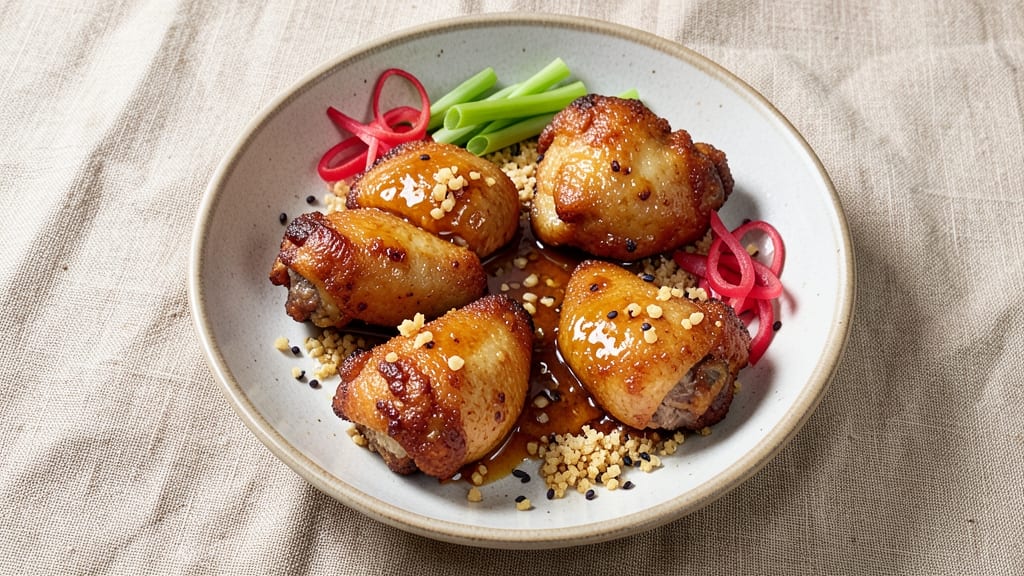
This Atk Japanese fried chicken recipe delivers the perfect balance of crispy panko crust and tender, juicy interiors—just like your favorite karaage. The secret lies in a precise marinade and double-frying technique that ensures every bite is golden outside and silky inside.
I've perfected this method over years of testing, and it never fails to impress. The process starts with a flavorful marinade of soy sauce, mirin, and garlic, which tenderizes the chicken while infusing it with deep umami flavor.
After breading with panko, the chicken is fried twice—first at a lower temperature to cook through, then again at a higher heat to achieve that signature crispiness. This two-step method is what sets this recipe apart from standard fried chicken.
By the time you're done, you'll have pieces with a crunchy, shatteringly crisp panko crust that gives way to juicy, tender meat inside. The aroma alone will have everyone gathering around the table, and the taste? Absolutely addictive.
Serve with steamed rice and tonkatsu sauce for the full Japanese fried chicken experience. Whether you're cooking for a family dinner or game day, this recipe scales beautifully and delivers consistent results every time. Let's get started!
Ingredients for atk japanese fried chicken
Nine essential ingredients transform simple chicken into crispy, restaurant-quality karaage.
| Ingredient | Amount | Notes |
|---|---|---|
| Boneless, Skinless Chicken Thighs 🍗 | 1 ½ lb | Cut into 1-inch pieces |
| Japanese Panko Breadcrumbs 🍞 | 2 cups | Standard or gluten-free if needed |
| All-Purpose Flour 🌾 | ½ cup | For dredging |
| Large Eggs 🥚 | 2 whole | Beaten for egg wash |
| Vegetable Oil 🫒 | 3 cups | For frying, high smoke point |
| Soy Sauce 🥢 | ½ cup | Kikkoman preferred |
| Mirin 🍶 | ¼ cup | Sweeter than dry sake |
| Garlic Cloves 🧄 | 6 cloves | Minced for marinade |
| Ginger Root 🌿 | 1 tbsp | Freshly grated |
| White Sugar 🍚 | 1 tbsp | For marinade balance |
| Salt 🧂 | 1 tsp | Kosher or sea salt |
| Black Pepper 🌶️ | ½ tsp | Freshly ground |
| Potato Starch 🥔 | 2 tbsp | For extra crispiness |
| Sesame Seeds 🌾 | 1 tbsp | Optional garnish |
The chicken thighs are non-negotiable—dark meat stays juicier than breasts during double-frying. Look for bone-in, skin-on thighs at Whole Foods or your local butcher for best results. Panko matters too: Japanese-style (like Kikkoman) gives that signature shatteringly crisp texture. If you can't find it, Japanese-style panko from Trader Joe's works perfectly. For the marinade, Kikkoman soy sauce is the gold standard, but any high-quality brand will do. The mirin adds sweetness and depth—don't substitute with sweet rice wine unless you're adjusting the sugar.
No mirin? Dry sake plus 1 tsp sugar gets you close. Fresh ginger is ideal, but dried ginger at half the amount works in a pinch. The potato starch is optional but worth it for that extra-crispy crust. For the egg wash, room-temperature eggs create a smoother coating. If you're gluten-free, use a gluten-free panko blend and skip the potato starch. The garlic and ginger should be finely minced—no need to pulse in a food processor, just a sharp knife works fine. And yes, the sesame seeds are purely decorative but add that authentic touch.
Marinate the chicken for at least 30 minutes (overnight is even better). Keep the panko in an airtight container for up to 1 month—it absorbs moisture fast, so don't store it open. The fried chicken reheats best in a 350°F oven for 10-15 minutes to restore crispiness. Portion into single-serving containers for easy grab-and-go meals. Leftovers keep for 3 days in the fridge or 2 months frozen—though they rarely last that long.
Why You'll Love This Recipe
- Same recipe, different vibes: toss it in a bowl for a lazy Tuesday dinner or arrange it on a platter for game day. I’ve served it with spicy mayo, beer cheese, or just ketchup—no judgment here, but the panko soaks up sauces like a dream.
- No-Fuss Coating: I swear by the three-step method—flour, egg wash, panko—no fancy marinades or brining. The thighs stay juicy while the panko gets that perfect crunch, and honestly? Even if I rush, it still turns out golden.
- Crispy-Creamy Magic: That first bite—crispy exterior, tender inside—is the kind of contrast that makes you close your eyes. The panko’s airy texture clings just right, and the thighs? They’re forgiving if you don’t pat them dry, but when you do, it’s next-level.
- Weeknight to Party: Same recipe, different vibes: toss it in a bowl for a lazy Tuesday dinner or arrange it on a platter for game day. I’ve served it with spicy mayo, beer cheese, or just ketchup—no judgment here, but the panko soaks up sauces like a dream.
Step-by-step instructions for crispy Japanese fried chicken
Here's the method for achieving that signature crunchy exterior with juicy, tender chicken every time.
Prepare the Marinade and Chicken
In a medium bowl, combine the 0.5 cup soy sauce, 0.25 cup mirin, 6 cloves minced garlic, 1 tbsp grated ginger root, 1 tbsp white sugar, 1 tsp salt, and 0.5 tsp black pepper. Whisk until the sugar dissolves completely. This marinade adds depth of flavor while tenderizing the chicken.
Cut the 1.5 lb boneless, skinless chicken thighs into 1-inch pieces and place them in a separate bowl. Pour the marinade over the chicken and toss to coat evenly. Cover and refrigerate for at least 30 minutes (I prefer 1 hour for maximum flavor penetration). The acidity in the marinade helps break down proteins, ensuring the chicken stays juicy even after frying.
Set Up the Breading Station
In a shallow dish, combine the 2 cups Japanese panko breadcrumbs with the 2 tbsp potato starch. This starch blend creates an extra-crispy crust that stays light and airy. In another shallow dish, beat the 2 whole large eggs until just combined but not frothy. Place the 0.5 cup all-purpose flour in a third dish.
I arrange these three stations in a triangle on my counter. Starting with the flour, I dredge each piece of chicken lightly, shaking off any excess. This initial coating helps the egg adhere better and prevents the panko from falling off during frying. The key here is to work quickly—don't let the chicken sit too long in any one station or it'll get soggy.
Fry the Chicken to Golden Perfection
Heat 3 cups vegetable oil in a deep skillet or Dutch oven to 350°F (use a thermometer for accuracy). This temperature is crucial—too hot and the crust burns before the chicken cooks through; too cool and the oil absorbs into the chicken instead of creating that golden crust. Let the oil come to temperature for 5-10 minutes before adding the chicken.
Working in batches (don't overcrowd the pan), fry the breaded chicken pieces for 3-4 minutes per side until they reach 165°F internally and develop a deep golden-brown color. The panko should be crisp and the chicken should release from the breading easily. Transfer the fried chicken to a wire rack set over a baking sheet to drain excess oil. Maintain the oil temperature between 340-350°F for even cooking.
Rest and Garnish
Let the fried chicken rest for 5 minutes before serving. This brief resting period allows the juices to redistribute throughout the meat, preventing them from pooling at the bottom of your plate. The crust will stay crisp while the chicken maintains its silky interior texture.
Just before serving, sprinkle each piece with 1 tbsp sesame seeds for that authentic Japanese touch. The seeds add a subtle nutty flavor and visual contrast to the golden crust. Serve immediately with your favorite dipping sauce—traditional options include tonkatsu sauce or a simple soy-vinegar mixture. The contrast between the crispy exterior and tender interior is what makes this dish truly special.
Pro Tips For Making Atk Japanese Fried Chicken
- DOUBLE-DREDGE LIKE A PRO: Skip the lazy single dip—flour first, egg wash, then press the panko firmly into the egg-coated chicken. I used to slap it on, but pressing (even just a few seconds per piece) guarantees that crispy, shatterable crust. The first batch will stick together—don’t panic, just press harder next time.
- CUT THIGHS INTO EVEN STRIPS: Split each thigh into 3-4 even-sized pieces (about 1-inch thick). Uneven chunks fry at different rates, leading to some overcooked edges while others stay raw inside. A sharp knife and steady hand make this faster than you’d think—just don’t rush, or you’ll end up with lumpy, inconsistent bites.
- FRY IN SMALL BATCHES: Crowd the pan, and the oil temperature plummets faster than a politician’s promises. Use a splatter screen and fry 2-3 pieces at a time, giving them space to sizzle properly. The first batch will take 4-5 minutes; if yours turns gray before golden, your oil’s too cool—wait 5 minutes between batches to let it recover.
- SALT THE PANKO FIRST: Toss the panko with 1 teaspoon of salt before dredging—it seasons the crust from the inside out. I learned this after eating a batch that tasted bland, even though I’d salted the chicken. The panko absorbs flavor like a sponge, so don’t skip this step, even if it feels redundant.
Wine and beer pairings for this dish
Sake Pairings
For this Japanese fried chicken, a crisp dry sake like Dassai Junmai or Suzu Junmai is my go-to choice. The clean, slightly nutty profile cuts through the richness of the fried crust while complementing the umami from the soy-mirin marinade.
Serve it chilled at 45-50°F—this temperature enhances its delicate flavors without overwhelming the dish. 🍶
Light Beer Options
A Japanese lager such as Asahi Super Dry or Sapporo pairs beautifully with the crispy texture and savory flavors. The subtle hop bitterness balances the richness, while its light body ensures it doesn’t compete with the chicken.
For a local twist, try a crisp American lager like Bud Light—it’s refreshing and widely accessible. 🍺
Tonkatsu Sauce Dip
If you’re serving tonkatsu sauce, a slightly sweet white wine like Riesling or Moscato d'Asti enhances the experience. The wine’s acidity and sweetness mirror the sauce’s profile, creating a harmonious pairing. For a non-alcoholic option, sparkling yuzu soda adds a citrusy brightness that cleanses the palate between bites. 🍷
Spicy Variations
If you’re adding a kick with gochujang sauce or sriracha mayo, a lightly spicy sake cocktail—like a Yuzu Sour—elevates the dish. The citrus and chili heat balance the fried richness, while the sake’s smoothness tames the spice.
For beer lovers, a hazy IPA with its fruity notes and mild bitterness works surprisingly well. 🌶️
Dessert Wine Finish
End the meal with a sweet dessert wine like Moscato or Riesling Kabinett to contrast the savory fried chicken. The wine’s sweetness and acidity refresh your palate, making the meal feel complete. A small glass of Japanese plum wine (umeshu) also pairs wonderfully with the dish’s umami flavors. 🍇
Nutrition facts
Frequently asked questions
Can I use chicken breasts instead of thighs?
While possible, thighs are ideal for this recipe because their higher fat content stays juicier during double-frying. If you must use breasts, pound them thinner (½-inch max) and reduce frying time to 2-3 minutes per side at 340°F. They'll be less tender but still crispy.
Why is my panko crust falling off?
This usually happens from one of three issues: over-marinating (soaking too long makes the chicken too tender), skipping the flour dredge (egg won't stick), or frying at too high heat (burns before the crust sets). Fix it by working quickly at the breading station and keeping oil between 340-350°F.
Can I air-fry this Japanese fried chicken?
Air-fry at 375°F for 12-15 minutes, shaking halfway, until internal temp hits 165°F. For extra crispiness, spray with oil after breading. Note: You'll lose some of the deep-fried richness, but it's a great lighter alternative that still delivers great texture.
What's the best way to reheat leftovers?
To restore crispiness, place pieces on a wire rack over a baking sheet and bake at 350°F for 8-10 minutes. Avoid microwaving—it makes the crust soggy. For air-fried leftovers, reheat at 375°F for 5-6 minutes with a light oil spray.
How do I make this gluten-free?
Use a gluten-free panko blend (like from Trader Joe's) and skip potato starch. For the flour dredge, use gluten-free all-purpose flour or cornstarch. The texture will be slightly different but still delicious. Test with a small batch first to adjust breading consistency.