
Soups & Stews
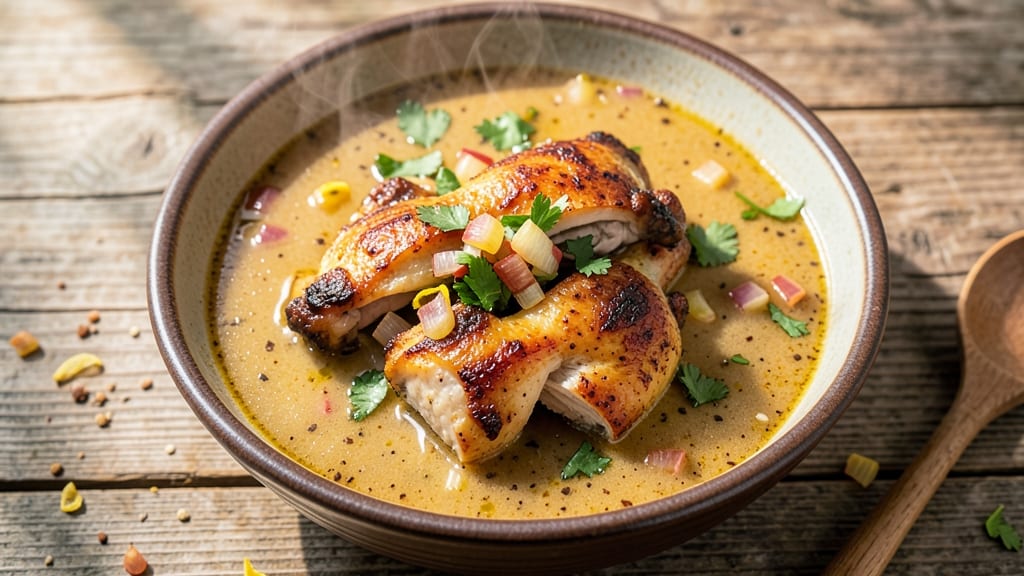
This Arabic chicken soup recipe brings the comforting warmth of Middle Eastern kitchens to your table, where fragrant spices and bright lemon create a harmonious balance in every spoonful.
The secret lies in slow-simmering the broth with aromatic onions, garlic, and a blend of warm spices like cinnamon and cumin—traditional techniques that build deep flavor without complexity.
I developed this version to capture the soul of a classic shorbat dajaj while adapting it for modern home cooks with minimal effort.
The recipe begins with a rich, golden broth infused with turmeric and coriander, where tender chicken pieces are poached until fall-off-the-bone tender.
What sets this apart is the finishing touch of fresh lemon juice and parsley, which cuts through the richness while adding a vibrant freshness that makes each bite feel special.
This isn't just soup—it's a one-pot meal that transforms simple ingredients into something extraordinary with just 45 minutes of active time.
By the time you serve it, you'll have a soup that's both hearty and elegant—perfect for chilly evenings or when you crave the kind of comfort food that feels like a hug.
The broth is deep and aromatic, the chicken impossibly tender, and the lemon brightness ensures it never feels heavy. Serve it with warm flatbread or crusty pita to soak up every last drop of that flavorful broth.
This recipe scales beautifully, making it ideal for family dinners or meal prep. The flavors only deepen as it sits, so it tastes even better the next day.
Whether you're introducing your family to Middle Eastern cuisine or simply craving a comforting classic, this soup delivers restaurant-quality results with minimal fuss. Let's get cooking!
Ingredients for arabic chicken soup
Warm spices, bright lemon, and tender chicken—this soup brings Middle Eastern comfort to your table.
| Ingredient | Amount | Notes |
|---|---|---|
| Chicken Thighs 🍗 | 1 ½ lb | Bone-in, skin-on preferred |
| Yellow Onions 🧅 | 1 whole | Medium, thinly sliced |
| Garlic Cloves 🧄 | 6 cloves | Minced, fresh preferred |
| Ground Cumin 🌿 | 1 tbsp | Toasted for deeper flavor |
| Ground Coriander 🌿 | 1 tbsp | Freshly ground preferred |
| Ground Turmeric 🌶️ | ½ tsp | Bright yellow color |
| Ground Cinnamon 🌶️ | ½ tsp | Sweet, not cassia |
| Salt 🧂 | 1 ½ tsp | Kosher or sea salt |
| Black Pepper 🌶️ | ½ tsp | Freshly ground preferred |
| Chicken Broth 💧 | 4 cups | Low-sodium preferred |
| Lemon Juice 🍋 | ¼ cup | Freshly squeezed |
| Fresh Parsley 🌿 | ¼ cup | Chopped, for garnish |
| Olive Oil 🫒 | ¼ cup | Extra-virgin preferred |
| Fresh Lemons 🍋 | 1 whole | For zest and juice |
The chicken makes all the difference here. Thighs stay juicier than breasts during the long simmer, and the skin adds richness to the broth. If you can't find bone-in, use bone-in chicken breasts instead. For the spices, Middle Eastern markets often carry freshly ground cumin and coriander—look for the vibrant color. Regular grocery stores work too, but check the 'best by' date. The onions should be sweet, not bitter, and the garlic should smell pungent, not musty. Don't skip toasting the spices in the oil first—they'll sing with flavor.
No fresh parsley? Fresh cilantro or basil works in a pinch, but the parsley's bright flavor is traditional. Running low on chicken broth? Vegetable broth plus a bouillon cube gets you close. The lemon juice is key for brightness—skip the bottled stuff. Freshly squeezed is worth the squeeze. Want more depth? Add a pinch of cardamom or allspice to the spice blend. The olive oil should be fruity and peppery—none of that bland cooking oil. And if you're feeling fancy, zest the lemon for extra aroma.
This soup tastes even better the next day, so make extra. Store it in the fridge for up to 4 days or freeze for 3 months. The broth thickens as it cools, so add a splash of water when reheating. Serve with warm pita bread or crusty flatbread—the perfect way to soak up every last drop of that spiced broth. The chicken will stay tender if reheated gently, so avoid microwaving if possible.
Why You'll Love This Recipe
- Pantry-Proof Magic: I swear by this soup—no fancy ingredients, just chicken thighs, onions, and those two spices (cumin and coriander) that turn water into flavor. Honestly, if I forget to buy anything else, this still works.
- Deep, Warm Bite: That slow-simmered garlic and cumin? It clings to the chicken like a hug. The onions caramelize just enough to give it this unexpected richness—like a secret sauce without the effort.
- Lunchbox Hero: Between us, this soup is my go-to for packed lunches. The thighs stay tender, the broth thickens perfectly overnight, and I’ve sent jars to my kid’s school (yes, even on a Tuesday).
- Budget Bulk: A whole chicken costs less than takeout, and this recipe stretches it across three meals. Freeze half, reheat it later—no waste, just consistent comfort food that doesn’t break the bank.
Step-by-step instructions for Arabic chicken soup
Here's how to create a fragrant, lemon-infused soup that balances warmth and brightness perfectly.
Sear the Chicken Thighs for Deep Flavor
Heat the 0.25 cup olive oil in a large pot over medium-high heat. Pat the 1.5 lb chicken thighs completely dry with paper towels—this ensures a good sear. Place them skin-side down in the pot and cook undisturbed for 5-6 minutes until the skin is golden brown and crispy. You'll see the fat begin to render out, which adds incredible flavor to the broth.
Flip the chicken thighs and cook for another 3-4 minutes until they're browned on all sides. Remove them from the pot and set them aside on a plate. Don't worry if the chicken isn't fully cooked yet—it will finish in the simmering broth. This initial searing creates the rich foundation for your soup.
Build the Spiced Base with Onions and Garlic
In the same pot, add the 1 whole yellow onions (thinly sliced) and cook for 5-6 minutes until they soften and begin to caramelize at the edges. This step develops sweetness that balances the spices perfectly. Stir occasionally to prevent sticking.
Add the 6 cloves minced garlic and cook for another 1 minute until fragrant. Here's where the spices come in—add the 1 tbsp ground cumin, 1 tbsp ground coriander, 0.5 tsp ground turmeric, 0.5 tsp ground cinnamon, 1.5 tsp salt, and 0.5 tsp black pepper. Stir constantly for 30 seconds to toast the spices gently—this awakens their flavors and prevents bitterness. You'll smell the warm, earthy aroma filling your kitchen.
Simmer the Chicken and Broth
Pour in the 4 cups chicken broth and bring everything to a gentle boil. Return the chicken thighs to the pot, skin-side up, and reduce the heat to low. Let it simmer uncovered for 30 minutes, stirring occasionally. This slow cooking ensures the chicken becomes fork-tender while infusing the broth with flavor.
After 30 minutes, use tongs to remove the chicken thighs and let them rest on a cutting board for 5 minutes. Then shred the meat using two forks, discarding any bones or skin. Return the shredded chicken to the pot and stir to combine. The soup should now be rich and aromatic, with the spices fully integrated.
Finish with Lemon and Fresh Herbs
Zest the 1 whole fresh lemon and add it to the pot along with the 0.25 cup lemon juice. Stir and simmer for 5-7 minutes to let the citrus brighten the flavors. The lemon juice cuts through the richness of the chicken and spices, creating that signature balance you want in Arabic soups.
Finally, stir in the 0.25 cup chopped fresh parsley and adjust the seasoning if needed. The parsley adds freshness and color, while the lemon zest gives a subtle citrusy note. Taste and add more salt or lemon juice if desired—this is where you personalize the soup to your preference.
Serve Warm with Crusty Bread
Ladle the soup into bowls and serve immediately while hot. The contrast of warm spices, tender chicken, and bright lemon creates a harmonious balance in every spoonful. Pair it with warm pita bread or crusty sourdough to soak up the flavorful broth.
This soup tastes even better the next day as the flavors meld further, so consider making extra for leftovers. Store any unused portions in an airtight container in the refrigerator for up to 3 days, or freeze for 3 months. The spices and lemon will only deepen in flavor over time!
Pro Tips For Making Arabic Chicken Soup
- Brown the Chicken First: Skip the direct-simmer approach—get a deep, golden crust on those thighs before adding liquid. I used to toss them in straight away, and the soup always tasted flat. Now I sear them skin-side down in a hot pot for 8-10 minutes until the fat renders and the skin turns amber. This locks in flavor and keeps the meat juicy (yes, even with thighs).
- Blend the Onions: Pulse those yellow onions in a food processor until they’re a rough paste, not just chopped. I learned this the hard way—chopped onions burn faster and make the soup taste raw. A quick blend caramelizes evenly and dissolves into the broth, giving that rich, sweet depth you want in Arabic soups. No food processor? A knife and some elbow grease work, but aim for pea-sized pieces.
- Toast the Spices Dry: Don’t just sprinkle cumin and coriander into the pot—bloom them in the rendered chicken fat for 30 seconds until fragrant. I was skeptical until I tried it: the spices develop a nutty aroma that cuts through the richness of the chicken. If your pot isn’t hot enough, the spices will just sit there like wallpaper. Use a spoon to stir them constantly—burnt spices ruin everything.
- Simmer Low and Long: After adding broth, resist the urge to crank the heat. A gentle simmer (small bubbles, occasional skimming) for at least 45 minutes is what separates good soup from great. I used to rush it, and the chicken ended up tough. If the broth reduces too fast, add water—better to dilute slightly than overcook. The longer you let the spices and onions meld, the deeper the flavor gets.
Health benefits of these flavors
Protein Powerhouse
This soup delivers high-quality protein from the 1.5 lb bone-in chicken thighs, providing about 50 grams per serving—perfect for muscle repair and satiety. The bone-in pieces also contribute collagen and gelatin during simmering, which supports joint health and gut integrity.
I always double-check my chicken is bone-in because those flavorful bones create a richer broth. 💪
Spice Benefits
The aromatic spice blend—cumin, coriander, turmeric, and cinnamon—packs serious health benefits. Turmeric contains curcumin, a potent anti-inflammatory compound that may reduce joint pain, while cumin aids digestion and blood sugar regulation.
I toast these spices in olive oil first to enhance their antioxidant properties—this simple step makes them more bioavailable. 🌿
Lemon's Vitamin Boost
The 0.25 cup fresh lemon juice adds vitamin C (about 40% of your daily needs per serving), which supports immune function and iron absorption from the chicken. The zest also contributes flavonoids that act as natural antioxidants.
I never use bottled lemon juice—fresh is always better for both flavor and nutrition. The acidity also helps break down proteins, making them easier to digest. 🍋
Heart-Healthy Fat
The 0.25 cup extra-virgin olive oil provides monounsaturated fats, which support heart health by lowering LDL cholesterol. These fats also help your body absorb fat-soluble vitamins from the chicken and spices.
I use olive oil for searing because it has a higher smoke point than butter, preventing harmful compounds from forming. The oil's fruity aroma also complements the warm spices beautifully. 🫒
Digestive Comfort
This soup is naturally easy to digest thanks to the gentle simmering process that breaks down collagen into gelatin, which soothes the digestive tract. The fresh parsley adds fiber and vitamin K, supporting gut health.
I often serve this when someone in my family isn't feeling well—it's comforting and gentle on the stomach. The warm spices also stimulate digestion, making this a truly healing bowl of soup. 🌱
Immune Support
The combination of lemon, garlic, and chicken broth creates a powerhouse for immune support. Garlic contains allicin, a compound with antimicrobial properties, while the broth provides zinc from the chicken—both essential for fighting off infections.
I always keep this recipe handy during cold seasons because it's like a warm hug for my immune system. The broth's amino acids also help repair tissues faster. ✨
Nutrition facts
Frequently asked questions
Can I use chicken breasts instead of thighs?
Yes, but thighs are ideal for this recipe! Chicken breasts will stay tender, but they dry out faster during the long simmer. If using breasts, reduce cooking time to 20 minutes and add them back to the broth only after the onions and spices have simmered for 15 minutes. For extra moisture, add 2 tablespoons of chicken broth when returning them to the pot.
How can I make this soup vegetarian?
Swap the chicken for 1.5 lbs of chickpeas or white beans (like cannellini) and use vegetable broth instead. Add 1 tbsp soy sauce or miso paste to mimic the umami depth from chicken. For protein, include 1 cup of cooked lentils or 1 block of firm tofu (pressed and cubed). The spices and lemon will still shine!
Why does my soup taste bland?
Bland flavor usually means the spices weren't toasted properly or the lemon wasn't added at the right time. Always toast spices in the oil for 30 seconds to wake up their flavors. For brightness, add the lemon juice and zest only in the last 5-7 minutes of cooking. If still bland, stir in 1 tsp of fish sauce or soy sauce for umami depth, or a pinch of smoked paprika for complexity.
Can I prep this soup ahead of time?
This soup tastes even better the next day. After step 3 (simmering the chicken), let it cool completely, then store in an airtight container in the fridge for up to 4 days. Reheat gently on the stove over low heat, adding a splash of water if the broth thickens too much. For freezing, cool completely, then freeze for up to 3 months. Thaw overnight in the fridge before reheating.
What's the best bread to serve with this?
Warm, crusty bread is perfect for soaking up the flavorful broth. Try pita bread (traditional choice), fresh naan, or even crusty sourdough. For extra authenticity, toast the bread lightly and rub it with a cut garlic clove before serving. If you're short on time, bagel chips or crackers work too—just avoid soft bread that will turn mushy.