
Main Courses
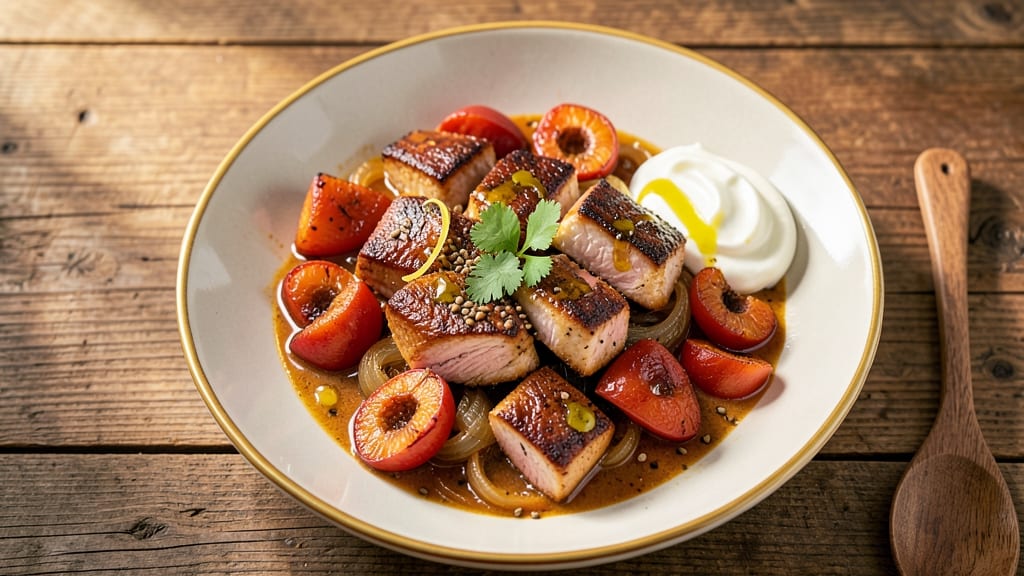
This apricot chicken curry recipe delivers a perfect balance of sweet and savory in every bite, transforming simple ingredients into a restaurant-worthy dish. The key lies in caramelizing the apricots to intensify their natural sweetness while building layers of warm spices that complement the tender chicken.
I developed this recipe after years of experimenting with Middle Eastern and Indian techniques, and it never fails to impress—even with picky eaters.
The beauty of this curry is its simplicity: just one pot, 30 minutes of active time, and a blend of spices that work together to create depth without overpowering the dish. The chicken cooks in its own juices, absorbing the rich, tangy-sweet sauce while staying fork-tender.
A touch of yogurt at the end adds a creamy contrast that rounds out the flavors beautifully.
By the time you serve this curry, your kitchen will smell like a bustling spice market, and your guests will be reaching for seconds. The sauce clings to perfectly cooked chicken, while the caramelized apricots add bursts of fruity sweetness that cut through the warmth of the spices.
Serve it with basmati rice or warm naan for the full experience—this is comfort food at its finest.
What makes this recipe truly special is its versatility. You can adjust the sweetness to taste or swap in dried apricots for convenience without sacrificing flavor. The technique is foolproof, and the results are consistently delicious, making it perfect for both weeknight dinners and special occasions. Let’s get cooking!
Ingredients for apricot chicken curry
Sweet apricots meet aromatic spices for a curry that’s both vibrant and comforting.
| Ingredient | Amount | Notes |
|---|---|---|
| Boneless, Skinless Chicken Thighs 🍗 | 1 ½ lb | Cut into 1-inch pieces |
| Fresh Apricots 🍑 | 1 cup | Pitted, sliced into thin wedges |
| Plain Yogurt 🥛 | ½ cup | Full-fat for creaminess |
| Extra-Virgin Olive Oil 🫒 | ¼ cup | For sautéing and finishing |
| Yellow Onion 🧅 | 1 whole | Finely diced |
| Garlic Cloves 🧄 | 4 cloves | Minced |
| Ground Cumin 🌿 | 1 tbsp | Toasted for depth |
| Ground Coriander 🌿 | 1 tbsp | Freshly ground preferred |
| Turmeric Powder 🌶️ | ½ tsp | Bright yellow color |
| Ground Ginger 🌿 | ½ tsp | Freshly grated preferred |
| Cayenne Pepper 🔥 | ¼ tsp | Adjust for heat |
| Salt 🧂 | 1 tsp | Kosher or sea salt |
| Black Pepper 🌶️ | ½ tsp | Freshly cracked |
| Tomato Paste 🍅 | 2 tbsp | Smooth texture preferred |
| Chicken Broth 💧 | 1 cup | Low-sodium preferred |
The apricots should be ripe but firm—farmers markets usually have the best selection, or grab a small bag from Whole Foods if you're in a pinch. For the chicken, thighs stay juicier than breasts in this long simmer, so don’t switch unless you’re okay with drier results. The spices are where the magic happens: Penzeys or bulk bins at natural grocers give you the freshest, most aromatic cumin and coriander. Toast them in the pot for 30 seconds before adding liquids—trust me, it makes all the difference. If you can’t find fresh ginger, the ground version works but has less punch.
No fresh apricots? Dried apricots work perfectly—just soak them in warm water for 10 minutes first. Swapping yogurt? Coconut milk adds richness, though it’ll be less tangy. The tomato paste can be skipped if you’re sensitive to acidity, but it deepens the sauce color beautifully. For extra sweetness, add a splash of maple syrup or orange juice—I’ve done both, and they both shine. The cayenne is optional, but if you skip it, add another pinch of turmeric for warmth without heat. And if your chicken broth isn’t low-sodium, dilute it with water—salt balance is key here.
This curry tastes even better the next day as flavors meld—plan ahead and make extra. Store in airtight containers for 4-5 days in the fridge or freeze for 3 months. The sauce thickens when chilled, so stir in a splash of broth or water when reheating. I always serve it with jasmine rice or naan, but it’s just as delicious over quinoa or even crusty bread if you’re short on time. The leftovers reheat beautifully—just cover the pot and simmer on low for 10 minutes.
Why You'll Love This Recipe
- Fewer Ingredients, More Magic: I swear by this recipe because it’s ridiculously simple—just six staples, no fancy pantry items. The yogurt tenderizes the chicken while the onions and olive oil build depth, and those apricots? They melt into the sauce like a sweet, juicy surprise you didn’t know you needed.
- Sweet Heat Balance: That first bite of caramelized apricot against the warm spices and yogurt’s tang is chef’s kiss. The chicken stays juicy, the fruit adds natural sweetness, and the olive oil keeps it from feeling heavy. It’s the kind of dish that makes you pause mid-bite, like, “Wait, is this actually dinner?”
- Lunchbox Hero: Between us, this curry is my weeknight lifesaver. Double the batch, let it cool, and it’s perfect for packed lunches—just reheat with a splash of water. My kids eat it cold straight from the fridge, and honestly? I do too. (Yes, even on a Tuesday night.)
- Budget-Friendly Luxury: Chicken thighs are forgiving and cheap, and apricots in season are a steal. No specialty items, no waste—even the leftover sauce freezes like a dream for quick stir-fries later. It’s the kind of meal that feels fancy without breaking the bank.
Step-by-step instructions for apricot chicken curry
Here's how to create a perfectly balanced curry where sweet apricots and rich spices play together.
Sear the Chicken for Maximum Flavor
Heat the 0.25 cup extra-virgin olive oil in a large, heavy-bottomed pot over medium-high heat. Once shimmering, add the 1.5 lb boneless, skinless chicken thighs cut into 1-inch pieces, working in batches if needed to avoid crowding. Let each piece sear undisturbed for 2-3 minutes until golden brown on all sides.
This step is crucial—it develops a deep, nutty crust that forms the foundation of your curry. You'll know it's ready when the chicken releases easily from the pan (no sticking) and develops a rich caramelization. Transfer the seared chicken to a plate and set aside temporarily.
Build the Spice Base
In the same pot, reduce heat to medium and add the 1 whole yellow onion (finely diced). Cook for 5-6 minutes until softened and translucent, stirring occasionally. Add the 4 cloves garlic cloves (minced) and cook for another 30 seconds until fragrant.
Next, sprinkle in the 1 tbsp ground cumin, 1 tbsp ground coriander, 0.5 tsp turmeric powder, 0.5 tsp ground ginger, and 0.25 tsp cayenne pepper. Stir constantly for 1 minute until the spices release their aromas and the mixture becomes fragrant. This is where the magic happens—the spices should smell warm, earthy, and slightly sweet.
Develop the Sauce
Stir in the 2 tbsp tomato paste and cook for 2 minutes until it darkens slightly and becomes oilier. Pour in the 1 cup chicken broth and bring to a gentle simmer. Return the seared chicken to the pot, along with any accumulated juices, and stir to coat everything in the spiced broth.
Cover the pot and let it simmer gently for 10 minutes, stirring occasionally. This allows the chicken to absorb the initial flavors while the sauce begins to develop its complex character. You'll see the broth reduce slightly and the spices meld together—this is when the curry starts to come together.
Add Apricots and Yogurt for Sweet-Tangy Balance
Stir in the 1 cup fresh apricots (pitted and sliced) and 0.5 cup plain yogurt. Simmer uncovered for 8-10 minutes until the apricots soften slightly and the sauce thickens to your desired consistency. The yogurt will create a creamy texture while the apricots add natural sweetness that cuts through the spices.
Taste and adjust seasoning with 1 tsp salt and 0.5 tsp black pepper. The curry should be harmonious—sweet from the apricots, tangy from the yogurt, and spicy from the ground spices. If it needs more depth, you can add a splash more chicken broth, but it should be balanced as is.
Finish and Serve
Remove from heat and let the curry rest for 5 minutes to allow the flavors to fully meld. The sauce should coat the back of a spoon and cling beautifully to the chicken. Serve immediately over steamed basmati rice or with warm naan bread to soak up every last bit of that luscious sauce.
This curry is best enjoyed fresh when the apricots are still slightly vibrant and the spices are at their peak. The sweet-tangy harmony comes from the perfect balance of fruit, dairy, and aromatic spices—each bite should deliver layers of flavor that build with every spoonful.
Pro Tips For Making Apricot Chicken Curry
- CUT APRICOTS IN HALF: Fresh apricots are stubborn—peel them first, then slice them lengthwise into quarters (not halves) so they soften faster in the curry. I used to leave the pits in by accident, and they’d turn the sauce bitter. A quick pit check saves cleanup later.
- SEAR CHICKEN IN BATCHES: Don’t crowd the pan. Cook the chicken thighs in two rounds over medium-high heat, letting them develop a golden crust before adding the onions. I learned this the hard way—rushing it makes the curry taste flat and greasy.
- WHISK YOGURT WITH LEMON: Mix 1 tablespoon of lemon juice into the yogurt before using it. It cuts the tang and keeps the sauce from curdling when it hits the hot pan. My grandmother swore by this, and she was right: the curry stays silky, not lumpy.
- LOW AND SLOW FOR FRUIT: Once the apricots are added, drop the heat to low and simmer uncovered. This lets the fruit break down into the sauce without turning to mush—about 10 minutes is enough. I was skeptical until I tried it: the texture stays perfect, not mushy or undercooked.
Regional styles of this apricot chicken curry
Middle Eastern Twist
Inspired by Levantine cuisine, this version swaps the yogurt for 1 cup tahini and adds 1 tbsp lemon juice to brighten the sauce. I like to finish with toasted pine nuts for crunch and a sprinkle of fresh mint—this creates a nutty, citrusy profile that’s lighter than the classic.
Serve with warm pita bread instead of rice for an authentic touch. 🌿
Indian Fusion Style
For a more traditional Indian approach, replace the apricots with 1 cup dried mango pulp (amchur) and add 1 tsp garam masala at the end. I also increase the ginger to 1 tsp fresh grated> and use coconut milk> instead of yogurt for a richer, creamier sauce.
Garnish with cilantro> and a squeeze of lime for that classic Indian restaurant flavor. 🌶️
Persian-Inspired
Persian cuisine loves fruit in savory dishes, and this version takes it further. Add ½ cup chopped dried apricots> (soaked in warm water for 10 minutes) along with 1 tsp cardamom pods> (lightly crushed) to the spice base.
Finish with 1 tbsp rose water>—just a touch—along with the yogurt. This creates a floral, aromatic depth that’s uniquely Persian. Serve with saffron rice> for a showstopping presentation. ✨
North African Touch
For a Maghrebi-inspired twist, include 1 tsp ground cumin seeds> (toasted) and ½ tsp ground cinnamon> in the spice blend. Replace the yogurt with ½ cup harissa paste> for heat, and finish with toasted almonds> and a drizzle of honey>.
This version balances sweet, spicy, and nutty flavors beautifully. Pair it with couscous> for a lighter base. 🌟
Modern American Adaptation
If you want a more approachable version for home cooks, swap the yogurt for ½ cup coconut milk> and add 1 tbsp maple syrup> to enhance the apricot sweetness. I also like to stir in ½ cup bell peppers> (diced) with the onions for a subtle sweetness.
This makes it kid-friendly while keeping the global flavors intact. Serve with garlic naan**> for a crowd-pleaser. 💫
Nutrition facts
Frequently asked questions
Can I use dried apricots instead of fresh?
Soak ½ cup dried apricots in warm water for 10 minutes to soften before adding them to the curry. They'll release more intense sweetness and work beautifully. Just reduce the chicken broth by ¼ cup since dried fruit absorbs less liquid. The texture will be slightly thicker but equally flavorful.
Why is my curry too spicy?
Adjust the heat by adding 1-2 tablespoons plain yogurt or ½ cup coconut milk to balance the cayenne. The yogurt in the recipe already helps temper spice, but if you used extra cayenne or harissa, these additions will create a creamy contrast. For immediate relief, stir in 1 teaspoon sugar or honey to cut through the heat.
How do I make this curry less sweet?
Reduce the apricots by ¼ cup and add 1 extra tablespoon tomato paste to deepen the savory notes. The tomato paste's acidity will help balance the sweetness while adding complexity. If you prefer tartness, finish with 1 teaspoon lemon juice or a pinch of salt, which enhances natural flavors without sweetness.
Can I prepare this ahead of time?
This curry tastes even better the next day as flavors meld! Store in an airtight container in the fridge for 4-5 days or freeze for 3 months. When reheating, add 2-3 tablespoons water or broth to restore thickness. The sauce will naturally reduce further, intensifying the flavors beautifully.
What's the best way to serve leftovers?
Reheat gently on the stove over low heat with a splash of broth to prevent drying. Serve with warm naan or basmati rice to soak up the rich sauce. For extra appeal, garnish with fresh cilantro or toasted nuts. The leftovers reheat beautifully and make great lunches—just pack with rice to keep everything warm!