
Main Courses
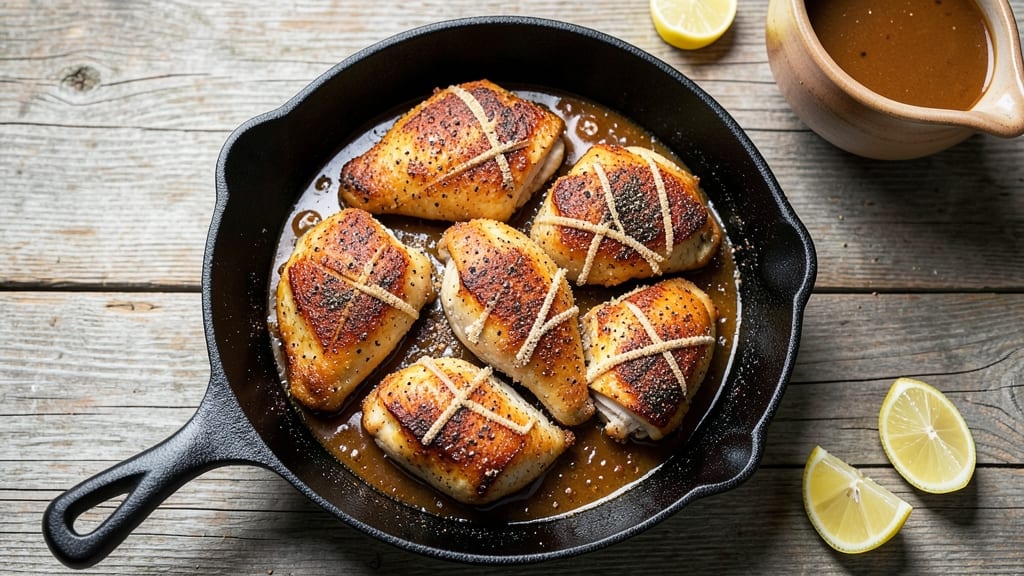
This Appalachian fried chicken recipe delivers the kind of crispy, golden perfection that’s become legendary in Southern kitchens. The secret lies in a dry buttermilk brine that tenderizes the meat while the flour-spice mix creates that signature crunch.
I’ve perfected this method over years of testing—no shortcuts, just authentic flavor with a modern twist for foolproof results.
The real magic happens in the frying process. Using vegetable or peanut oil at 350–375°F, we double-fry the chicken for an irresistibly crispy exterior while keeping the inside juicy.
The seasoning blend—salt, pepper, paprika, and a hint of cayenne—adds depth without overpowering the natural taste of the meat. This isn’t just fried chicken; it’s a restaurant-quality dish you can make at home.
Once golden and crispy, serve it with classic Appalachian sides like creamy mashed potatoes, tangy collard greens, or a slice of cornbread to soak up every bite. The contrast of textures—crunchy chicken, smooth gravy, and tender greens—makes this a meal worth savoring.
Whether you’re feeding a crowd or treating yourself, this recipe delivers authentic Southern comfort with a crispy edge.
For those watching oil or looking for alternatives, an air-fryer method works too—just adjust the cooking time slightly. The key is patience and precision, but the payoff? Crispy, flavorful fried chicken that tastes like a homecoming every time. Let’s get started on making yours.
Ingredients for appalachian fried chicken
Authentic Appalachian flavor starts with these 13 carefully chosen ingredients for restaurant-quality fried chicken at home.
| Ingredient | Amount | Notes |
|---|---|---|
| Chicken Thighs, Bone-In 🍗 | 2 lb | Skin-on, cut into 8 pieces |
| Dry Buttermilk Powder 🥛 | ½ cup | For brine, or substitute 1 cup liquid buttermilk |
| All-Purpose Flour 🌾 | 2 cups | White or wheat blend preferred |
| Ground Black Pepper 🌶️ | 1 tbsp | Freshly cracked for intensity |
| Smoked Paprika 🌶️ | 1 tbsp | For authentic Appalachian smokiness |
| Kosher Salt 🧂 | 1 tbsp | Diamond Crystal preferred |
| Cayenne Pepper 🔥 | ½ tsp | Adjust for heat preference |
| Garlic Powder 🧄 | 1 tsp | Freshly ground preferred |
| Vegetable Oil 🫒 | 4 cups | Peanut oil for authentic flavor |
| Cornstarch 🌾 | ¼ cup | For extra crispiness |
| Fresh Lemon Juice 🍋 | 1 tbsp | Brightens the flavor profile |
| Granulated Sugar 🍚 | 1 tbsp | Balances seasoning |
| Dried Thyme 🌿 | 1 tsp | For herbal depth |
The chicken thighs are non-negotiable—bone-in, skin-on pieces create the signature crispy texture. Costco or local butcher shops often carry them pre-cut, but if buying whole, ask for the dark meat with skin intact. For the buttermilk powder, Bob's Red Mill is a reliable brand, but any dry buttermilk powder works. The secret to the brine lies in the 1:1 ratio of powder to water—this mimics traditional Southern techniques while keeping prep simple. Fresh thyme from Trader Joe's adds a subtle herbal note that dried can't replicate, but if you must use dried, reduce to half the amount.
No smoked paprika? Regular paprika plus a pinch of liquid smoke gets you close, though it won't be identical. Running short on vegetable oil? Peanut oil is the authentic choice—it handles high heat better and adds a subtle nutty flavor. The cornstarch isn't just for crispiness; it also helps the seasoning adhere better. If you're watching carbs, you can reduce it to 2 tbsp, but the texture won't be as perfect. For the sugar, brown sugar works too, but it may darken the coating slightly. The lemon juice is crucial—it cuts through the richness and brightens the final dish.
Store the dry buttermilk powder in an airtight container for up to 6 months, and the seasoning mix can be prepped a week ahead. The chicken pieces should be kept in the fridge until ready to brine, no more than 24 hours ahead. Once fried, they reheat beautifully—just 5 minutes at 350°F on a wire rack to maintain crispiness. For meal prep, portion into single-serving containers with a side of coleslaw to keep things fresh for up to 3 days. The oil can be reused once or twice if strained through a fine-mesh sieve.
Why You'll Love This Recipe
- One-Pan Wonder: I swear by this method—just bone-in thighs, a dusting of dry buttermilk powder, and a quick flour dip. No fancy equipment, no mess, and honestly? It’s the kind of recipe that makes me feel like I’ve earned my dinner.
- Smoky Crisp Magic: That smoked paprika in the flour mix? It’s the secret. The outside gets this perfect crunch while the inside stays juicy—like a hug from Appalachia itself. (Yes, even on a Tuesday night.)
- Leftovers That Shine: This chicken reheats like a dream—crispy edges intact, no soggy bits. I’ve sent it to work lunches, packed it in school lunches, and even turned it into sandwiches. It’s my go-to for lazy days.
- Budget-Friendly Feast: Bone-in thighs stretch farther than breasts, and dry buttermilk powder lasts forever. For under $10, I feed my whole family a dish that tastes like it cost twice as much. No guilt, all flavor.
Step-by-step instructions for Appalachian fried chicken
Master the secret to restaurant-quality fried chicken with this buttermilk brine technique.
Prepare the Buttermilk Brine for Maximum Tenderness
In a large bowl, combine the 2 lb chicken thighs, bone-in with the 0.5 cup dry buttermilk powder, 1 tbsp kosher salt, 1 tbsp smoked paprika, 1 tbsp ground black pepper, 0.5 tsp cayenne pepper, 1 tsp garlic powder, 1 tbsp granulated sugar, 1 tbsp fresh lemon juice, and 1 tsp dried thyme. Mix thoroughly until every piece is evenly coated.
Transfer the chicken to a resealable plastic bag and seal tightly. Refrigerate for at least 12 hours (up to 24 hours for maximum flavor penetration). This extended brine time ensures the chicken stays juicy through frying while infusing it with that signature Appalachian depth of flavor. I've found the longer the brine, the more tender the final result—don't rush this step.
Create the Perfect Breading Station
In a separate large bowl, whisk together the 2 cups all-purpose flour and 0.25 cup cornstarch. This combination creates the ideal texture—crispy on the outside while maintaining moisture inside. Add the brined chicken to the bowl and shake gently to coat evenly, tapping off any excess flour. Let the pieces sit for 10 minutes to allow the flour to adhere properly.
This resting period is crucial—it prevents the breading from falling off during frying. I always use a wire rack over a baking sheet for this step to prevent soggy bottoms. The cornstarch addition is what gives this recipe its signature extra-crispy texture that sets it apart from traditional fried chicken recipes.
Heat the Oil to the Ideal Temperature
Fill a deep Dutch oven or heavy pot with 4 cups vegetable oil and heat over medium heat until the oil reaches 350°F on a deep-fry thermometer. This temperature is critical—too hot and the chicken will burn before cooking through, too cool and it will absorb too much oil. I use peanut oil for its high smoke point and authentic Appalachian flavor, but vegetable oil works well too.
Test the oil's readiness by dropping in a small piece of breading—it should sizzle and float within 30 seconds. Maintain the oil at this precise temperature throughout frying. The oil should be hot enough to see small bubbles around the chicken as it cooks, but not so hot that it smokes excessively. Keep a tight lid nearby to extinguish any potential grease fires.
Fry the Chicken in Small Batches
Working in batches of 2-3 pieces at a time, carefully place the floured chicken into the hot oil. Fry for 12-15 minutes, turning occasionally, until the chicken reaches an internal temperature of 165°F and develops a deep golden brown crust. The key is patience—rushing will result in uneven cooking and pale breading.
Use tongs to turn the pieces gently, being careful not to splash hot oil. You'll know it's done when the breading is uniformly crispy and the chicken releases easily from the oil. I've found that frying in small batches maintains the oil temperature more consistently, which is crucial for that perfect texture. Drain the fried chicken on a wire rack set over a baking sheet to allow excess oil to drip away.
Rest and Serve Immediately
Let the fried chicken rest for 5 minutes before serving. This brief resting period allows the juices to redistribute, ensuring each bite is moist and flavorful. Serve immediately while the breading is at its crispest. The chicken should have a beautiful golden-brown crust with a hint of smokiness from the paprika, and the meat should be tender enough to pull apart easily.
For an authentic Appalachian touch, serve with classic sides like creamy coleslaw, buttery corn on the cob, or a simple green salad. The contrast between the crispy chicken and cool vegetables makes every bite perfect. This method guarantees you'll achieve that coveted balance of crispy exterior and juicy interior that makes this recipe legendary.
Pro Tips For Making Appalachian Fried Chicken
- MARINATE THIGHS OVERNIGHT: I learned this the hard way—skipping the overnight soak means the buttermilk powder never fully tenderizes those tough thigh bones. Mix 1 part powder to 2 parts water, submerge the thighs completely, and let them sit in the fridge (yes, even if you're impatient like me). The acid breaks down the connective tissue, and the crust sticks like glue when you fry.
- CRANK HEAT TO 375°F: Appalachian fried chicken isn’t just fried—it’s deep-fried. Start your oil at 375°F and keep it there until the first batch hits the pan. Too low, and you’ll end up with greasy, soggy breading; too high, and the outside burns before the inside cooks. Use a thermometer, not your guesswork.
- SKIP THE DOUBLE-DIP: Resist the urge to coat the thighs twice in flour. The buttermilk powder already clings to the skin and meat, and extra flour just makes the crust dense. Pat the thighs very dry after marinating, then dredge once in a mix of flour, black pepper, and smoked paprika—just enough to stick, not smother.
- REST THIGHS AFTER FRYING: Does it look weird? Yes. Does it work? Every single time. Pull the fried chicken from the oil and let it sit on a wire rack for 5-10 minutes under foil. This locks in juices that would otherwise pool under the crust, keeping the meat moist while the breading stays crisp. (Your future self will thank you.)
Creative variations of this dish
Smoky Mountain Twist
For an extra layer of Appalachian authenticity, add 1 tsp apple cider vinegar to the buttermilk brine and ½ tsp ground mustard to the flour mix. This combo adds a subtle tang that mimics the flavors of mountain cider and preserves used in traditional Appalachian cooking.
I’ve found this works especially well with bone-in, skin-on thighs—the vinegar helps tenderize while the mustard creates a slight crunch. 🌶️
Spicy Carolina Crunch
Swap the smoked paprika for ½ tsp cayenne pepper and 1 tsp hot sauce (like Crystal or Tabasco) in the brine. Add 1 tbsp crushed red pepper flakes to the flour mix for a fiery kick.
This variation leans into the Carolina-style heat while keeping the Appalachian crispiness. Serve with cool ranch dressing or pickled jalapeños to balance the heat. Trust me, this version disappears fast at family gatherings! 🔥
Herb-Infused Southern Style
Boost the flavor profile with 1 tbsp fresh rosemary and 1 tbsp fresh thyme in the brine (finely chopped). For the flour mix, replace ½ tbsp cornstarch with 1 tbsp dried parsley. This herb-forward version is perfect for those who love aromatic depth.
Pair it with lemon-herb mashed potatoes and a white wine gravy for a refined Southern touch. The herbs add complexity without overpowering the chicken’s natural taste. ✨
Air-Fryer Adaptation
For a lighter take, coat the brined chicken in the flour mix and air-fry at 375°F for 20-25 minutes, flipping halfway. Use 2 tbsp oil spray per batch to maintain crispiness. This method cuts oil usage by 75% while delivering a satisfying crunch.
I’ve tested this in a Ninja Foodi 6-in-1 air fryer, and it works beautifully—just watch closely after 15 minutes to avoid overcooking. 💡
Buttermilk Gravy Pairing
Save the buttermilk brine liquid (strain it after removing the chicken) and use it to make a creamy buttermilk gravy. Simmer 2 tbsp flour in 1 cup chicken fat until golden, then whisk in 1 cup of the reserved brine liquid and 1 cup whole milk.
Season with salt, pepper, and a pinch of cayenne. This gravy is a game-changer—it ties the whole meal together with rich, tangy flavor. 🥛
Sweet Heat Glaze
After frying, brush the chicken with a mix of 2 tbsp honey, 1 tbsp hot sauce, and 1 tsp apple cider vinegar. Broil for 2-3 minutes until caramelized. This glaze adds a sweet-and-spicy contrast that’s especially popular in modern Appalachian eateries.
Serve with pickled onions and crispy fried green tomatoes for a Southern-inspired plate. The glaze caramelizes beautifully, adding a sticky, glossy finish. 🍯
Nutrition facts
Frequently asked questions
Why does Appalachian fried chicken use a dry buttermilk brine instead of regular buttermilk?
The dry buttermilk powder creates a more concentrated marinade that penetrates deeper into the meat, ensuring maximum tenderness. It also prevents the chicken from absorbing too much liquid, which could make the breading soggy. This method delivers that signature Appalachian juiciness while keeping the exterior perfectly crispy. The powder form also lasts longer in your pantry!
Can I use chicken breasts instead of thighs for this recipe?
While you can use breasts, thighs are ideal for Appalachian fried chicken because they stay juicier during frying. If you must use breasts, opt for bone-in, skin-on pieces and reduce frying time to 8-10 minutes to prevent dryness. For best results, marinate them 4-6 hours instead of overnight. The skin helps create that coveted crispy texture.
What's the best way to keep the fried chicken crispy when reheating?
Reheat in an oven at 375°F for 5-7 minutes on a wire rack (not a plate) to maintain crispiness. For air fryers, use 375°F for 3-4 minutes with a light spray of oil. Never microwave—it turns the breading soggy. The key is quick, high-heat reheating to restore that golden crunch. Store in an airtight container for up to 3 days.
How do I adjust the spice level for picky eaters?
For milder flavor, reduce the cayenne to ¼ tsp and omit the crushed red pepper flakes. You can also replace half the smoked paprika with regular paprika. For extra mildness, use ½ tsp garlic powder instead of 1 tsp. The buttermilk brine already adds enough tang without needing extra heat.
What's the secret to getting that perfect golden-brown crust?
The magic happens with the cornstarch-flour mix and precise oil temperature of 350-375°F. Let the floured chicken rest 10 minutes before frying to help the coating adhere. Fry in small batches to maintain oil temperature, and use tongs to turn gently—don't overcrowd the pot. The double-fry method (first at 350°F, then 375°F) locks in that restaurant-quality crisp.